

Have you ever wondered if you can prune your fruit trees in early spring? You’re not alone. Many gardeners face the dilemma of when to tackle this important task. Pruning at the right time can make a big difference in how well your trees produce fruit and stay healthy.
Key Takeaways
- Timing is Crucial: Prune fruit trees in early spring while they are still dormant but before new growth begins, ideally between late February and early April.
- Tree Types Matter: Different fruit trees respond uniquely to early spring pruning; for instance, peaches thrive on early cuts, while apples prefer late winter pruning.
- Health Benefits: Early spring pruning enhances tree health by removing dead or diseased branches, improving air circulation, and minimizing disease risk.
- Focus on Strategy: Limit pruning to 20%-30% of the tree’s total canopy to avoid stress and ensure healthy fruit production; prioritize removing weak and crossing branches.
- Use Proper Tools: Equip yourself with sharp, clean pruning shears, loppers, and a saw to ensure effective and clean cuts, thereby promoting quick healing.
- Avoid Common Mistakes: Do not prune after bud break as it can harm the tree; stick to necessary cuts during dormancy to preserve tree vitality and encourage fruit yield.
Can You Prune Fruit Trees In Early Spring?
Pruning fruit trees in early spring is possible, but it requires careful consideration of specific factors. Timing impacts pruning effectiveness, tree health, and future fruit yields.
Benefits of Early Spring Pruning
- Encourages Growth: Early spring pruning stimulates new growth as trees come out of dormancy.
- Improves Air Circulation: Removing excess branches enhances airflow, reducing disease risk.
- Shape and Structure: Pruning shapes the tree, making it easier to manage and harvest.
Considerations Before Pruning
- Tree Type: Different fruit trees have varying responses to early spring pruning. For instance, peach and apricot trees thrive with early spring cuts, while apple and pear trees benefit from late winter pruning.
- Weather Conditions: Wait for a dry spell to avoid exposing cuts to potential frost damage. Early spring pruning just after a frost can lead to tree stress.
- Tree Health: Inspect the tree for disease or damage. Prioritize removing dead or diseased wood, regardless of the season.
Steps for Effective Early Spring Pruning
- Prepare Your Tools: Use sharp, clean pruning shears and loppers to ensure clean cuts.
- Assess the Tree: Start by examining the overall structure. Identify branches that cross or rub against each other.
- Make Cuts: Begin with 20%-30% of the tree’s branches. Focus on removing dead, diseased, or weak branches. Create scalp cuts to encourage healthy growth.
- Shape the Tree: Maintain a central leader if pruning an upright tree. For those with multiple leaders, thin out crowded areas while preserving strong branches.
- Clean Up: Collect and dispose of pruned material to prevent pests and diseases.
- What if I miss early spring? If you can’t prune in early spring, late winter or summer pruning can still yield benefits, depending on the tree type.
- Can I over-prune? Avoid excessive pruning, as it can stress the tree and hinder fruit production.
Pruning fruit trees in early spring is beneficial when done thoughtfully. With proper techniques and considerations, you can promote healthy growth and produce abundant fruit.
Benefits Of Early Spring Pruning
Early spring pruning enhances the overall health and productivity of your fruit trees. This practice encourages vigorous growth and establishes a strong foundation for fruit production.
Recommended Products
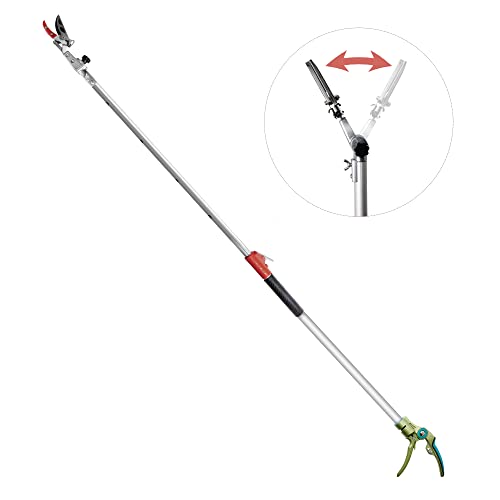
[Helpful Garden Tool] GARTOL brings to you a lightweight and extendable pruning tool to reach out to the least approachable arenas of your garden. You can conveniently get across other plants to remove the fastgrowing brambles and sting nettles without getting scratched or hurt. For gardening lovers, the telescopic pruner cutter head can can be rotated which resolves mobility issues and gives you the pleasure of trimming your garden without bending down or using a ladder to climb and cut them.


★ 1. What you get: Professional convenient grafting tool set including a dual-use grafting pruner tool contain 2 extra replaceable blades, a wrench and a screwdriver, along with 36pcs wide rubber bands, 150 thick rubber bands and 1 grafting tape, packed in a black wallet to meet all your needs
Improved Tree Health
Improved tree health results from strategic early spring pruning. Removing dead or diseased branches allows the tree to focus its energy on healthy growth. Encouragement of air circulation through selective pruning reduces the risk of fungal diseases. You should prune at the right time to promote wound healing, minimizing stress on the tree. Regularly assessing the structure of the tree enables you to maintain proper shape and balance, which is crucial for longevity.
Enhanced Fruit Production
Enhanced fruit production occurs as a direct benefit of early spring pruning. Thinning crowded branches lets sunlight penetrate and reach the inner foliage, which promotes fruit set. By focusing energy on fewer, stronger branches, the tree produces larger, healthier fruit. Pruning also helps manage tree size, ensuring fruit-bearing branches are accessible for harvesting. You can expect a more abundant harvest when you prune effectively before the growing season begins.
Best Practices For Early Spring Pruning
Early spring pruning promotes healthy growth in fruit trees. Follow these best practices to optimize your pruning efforts.
Recommended Products

[Cut & Hold Pole Pruner for Tree Trimming] This long reach cut and hold pruner makes it easy to grip and remove branches, flowers, or fruit without dropping them. Perfect as a pole fruit picker for harvesting lemons, oranges, apples, or persimmons, and for trimming shrubs and bushes without climbing a ladder.

1:EXTENDABLE REACH FOR LADDER-FREE SAFETY – Acting as both a reliable tree pruner and a fruit picker pole, this tool effortlessly extends from 3.28 to 5.25 FT to reach high branches up to 10 FT from the ground. The innovative rotating and locking head allows for precise angles without unstable ladders or risky stretching, ensuring maximum safety.

Timing Is Key
Prune fruit trees while they’re still dormant but before new growth starts. This timing varies by region and tree type. Generally, aim for late February to early April, depending on your climate. Monitor temperatures; pruning during a warm spell could trigger premature bud growth. A quick rule: prune when the daytime temperature consistently reaches 50°F (10°C) or above.
Tools You Will Need
Using the right tools ensures efficient and clean cuts. Gather these essential tools:
- Pruning Shears: Ideal for small branches, choose sharp, bypass shears for clean cuts.
- Loppers: Use for medium-sized branches up to 2 inches thick. They provide extra leverage.
- Pruning Saw: Suitable for larger branches, select a saw that can handle cuts with precision.
- Gloves: Protect your hands from thorns and potential scrapes.
- Ladder: If necessary, ensure it’s stable to reach higher branches safely.
Always clean your tools before and after use to prevent disease spread among trees.
Common Mistakes To Avoid
When you prune fruit trees in early spring, avoiding common mistakes is crucial for maintaining tree health and maximizing fruit production.
Over-Pruning
Over-pruning can lead to stress and reduced yields. Many gardeners mistakenly remove too many branches, leaving the tree vulnerable. Aim for a balanced approach. Limit pruning to about 20-30% of the tree’s total canopy. Remove only dead, diseased, or crossing branches. This strategy promotes better airflow and sunlight penetration without shocking the tree.
Pruning After Bud Break
Pruning after bud break is another common misstep. Once buds begin to swell and open, cuts can cause more harm than good. The tree’s energy shifts toward new growth, and pruning at this stage can lead to bleeding and infections. To prevent this, stick to pruning during dormancy, ideally before late February to early April. This timing ensures that your tree focuses its energy on healthy growth rather than recovery from unnecessary cuts.
Conclusion
Pruning your fruit trees in early spring can be a rewarding practice when done thoughtfully. By keeping an eye on the timing and conditions you can set your trees up for healthy growth and bountiful fruit. Remember to assess your trees carefully and use the right tools to make clean cuts.
Taking the time to prune properly not only enhances air circulation but also helps your trees focus on producing larger and healthier fruit. So as you prepare for the growing season take a moment to consider how early spring pruning can benefit your garden. Happy gardening!
Frequently Asked Questions
Should I prune my fruit trees in early spring?
Pruning fruit trees in early spring is possible, but it requires careful consideration of tree type, weather, and overall health. It can be beneficial for promoting growth and improving air circulation if done correctly.
What are the benefits of early spring pruning?
Early spring pruning helps enhance tree health by removing dead or diseased branches, improves air circulation to reduce diseases, and promotes larger fruit production by allowing sunlight to reach inner foliage.
When is the best time to prune fruit trees in early spring?
The optimal time for early spring pruning is between late February and early April, when trees are still dormant but before new growth begins. This timing helps minimize stress on the tree.
What tools do I need for effective pruning?
Essential tools for pruning include pruning shears, loppers, a pruning saw, gloves, and a stable ladder. Proper tools ensure clean cuts and enhance the overall efficiency of the pruning process.
What mistakes should I avoid when pruning?
Common mistakes include over-pruning, which can stress the tree, and pruning after bud break, which may lead to bleeding and infections. Limit pruning to 20-30% of the tree’s canopy to maintain health and productivity.
