

Are you unsure how often to water your fruit trees? You’re not alone. Many gardeners struggle with finding the right balance between giving their trees enough moisture and overwatering, which can lead to root rot and other issues.
Understanding your trees’ watering needs is crucial for healthy growth and a bountiful harvest. In this article, you’ll discover practical tips to help you determine the ideal watering schedule based on factors like tree age, climate, and soil type. With the right approach, you’ll not only keep your trees thriving but also enjoy delicious fruits for years to come.
Key Takeaways
- Understand Watering Needs: Proper hydration is essential for fruit tree health, helping prevent issues like root rot and nutrient deficiencies.
- Consider Key Factors: Watering frequency depends on tree age, soil type, climate, and tree variety, with young trees needing more frequent watering compared to mature ones.
- Adapt to Seasons: Increase watering in spring and summer to support growth, while reducing frequency in fall and winter as trees prepare for dormancy.
- Recognize Water Stress Signs: Look for indicators such as wilting leaves or dry soil to determine when your trees need water.
- Implement Best Practices: Utilize methods like soaker hoses, drip irrigation, and early morning watering for efficient hydration and optimal root growth.
- Adjust as Needed: Regularly monitor soil moisture and adjust your watering schedule based on rainfall and seasonal changes to ensure your trees thrive.
Understanding Fruit Tree Watering Needs
Understanding the watering needs of your fruit trees is crucial for their growth and fruit production. Proper hydration prevents issues such as root rot and nutrient deficiencies.
Factors That Affect Watering Frequency
Several factors influence how often you should water your fruit trees:
- Tree Age: Young trees require more frequent watering as their roots are shallower. Water them deeply once or twice a week. Mature trees often need less frequent watering, about once every two weeks, depending on other conditions.
- Soil Type: Sandy soils drain quickly and may require more frequent watering compared to clay soils, which retain moisture longer. Test your soil drainage to determine the right watering schedule.
- Climate: Hot, dry climates increase evaporative loss. You might need to water trees more often during summer months. In cooler, humid climates, reduce watering frequency.
- Tree Variety: Different fruit trees have unique watering needs. For instance, citrus trees thrive in drier conditions compared to apple or cherry trees, which prefer more consistent moisture.
Seasonal Considerations
Seasonality affects watering requirements significantly:
- Spring: As trees start growing and flowering, increase watering frequency to support new growth. A good rule is to water weekly unless rain provides adequate moisture.
- Summer: This period typically demands the most water due to heat. Water deeply at least once a week, ensuring the root zone receives moisture.
- Fall: Gradually reduce watering as temperatures drop and trees prepare for dormancy. Continue to provide water until the soil starts freezing.
- Winter: Avoid watering during freezing conditions. Water only if there’s a dry spell, aiming to keep the roots hydrated without causing excess moisture which can lead to freezing hazards.
General Guidelines for Watering Fruit Trees
Watering fruit trees requires attention to several key factors, including tree age and soil type. Following specific guidelines helps ensure healthy growth and fruitful yields.
Recommended Products

Accurate Soil Moisture Detection: The XLUX Soil Moisture Meter can tell you if the soil deep inside your pot or garden is dry, moist or wet; whereas your eyes and fingers can only determine the moisture level of the soil surface. The probe is 5.5 inches (14 cm) longer than regular styles, allowing it to measure the soil moisture at the bottom of larger and deeper flower pots.

Kindly NOTE: This soil tester can not be applied to test pH value of any other liquid. If the soil is too dry the indicator will not move, and water it before testing.

Accurate Soil Moisture Detection: The XLUX Soil Moisture Meter detects deep soil moisture in pots or gardens (dry/moist/wet), unlike eyes or fingers that only sense surface soil.
Young vs. Mature Trees
Young fruit trees require more frequent watering, typically every 1-2 weeks, especially during the first couple of years. Their shallow root systems make them more vulnerable to drought. As tree roots establish and grow deeper, the frequency of watering can decrease, generally to every 2-4 weeks for mature trees. Adjustments may be necessary based on rainfall, humidity, and temperature changes.
Soil Types and Their Impact
Soil type significantly influences how often you water your fruit trees. Sandy soils drain quickly and require more frequent watering, often once or twice a week. Clay soils retain moisture longer and may need watering every 2-3 weeks. Loamy soils, a mix of sand, clay, and silt, provide good drainage and moisture retention, usually requiring watering every 1-2 weeks. Conducting a soil moisture test can help determine when it’s time to water.
Signs That Your Fruit Trees Need Water
Recognizing the signs that your fruit trees require water is essential for maintaining their health. Here are the key indicators to look for:
Recommended Products

Accurate Soil Moisture Detection: The XLUX Soil Moisture Meter can tell you if the soil deep inside your pot or garden is dry, moist or wet; whereas your eyes and fingers can only determine the moisture level of the soil surface. The probe is 5.5 inches (14 cm) longer than regular styles, allowing it to measure the soil moisture at the bottom of larger and deeper flower pots.

Long Probe for deep use - For plants with deep root systems, a long probe can reach the roots to provide an accurate moisture reading. This is essential for ensuring that the entire root zone is adequately watered

Soil Moisture Meter: This single probe soil moisture meter is specially designed for testing the moisture level in the soil, helps you decide whether the plants need water or not, helps to keep plants alive.
Wilting and Leaf Drop
Wilting leaves signal that your trees aren’t getting enough water. You’ll notice leaves drooping or curling, indicating stress. In severe cases, you may see leaves turning yellow or dropping prematurely. If this occurs, check the soil moisture immediately. A lack of hydration can hinder fruit development and overall tree vitality.
Soil Moisture Indicators
Soil moisture is a critical factor in determining when to water. Check the soil about 2-3 inches below the surface. If the soil feels dry and crumbly, your trees need water. Conversely, if the soil remains damp, wait a few days before checking again. Another effective method is to use a moisture meter. This tool provides accurate readings of soil moisture, helping you decide when your trees require hydration. Regularly monitoring these indicators ensures your fruit trees receive the appropriate amount of water.
Best Practices for Watering Fruit Trees
Watering fruit trees effectively requires understanding the best practices. Incorporate methods and timing into your routine to ensure healthy growth.
Recommended Products
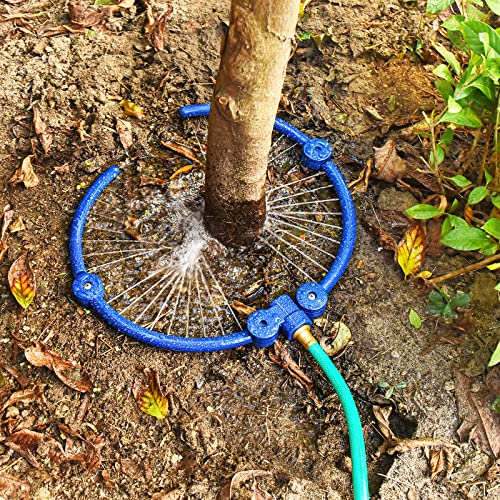
【Specially Designed for Trees and Shrubs】 The Watering Ring is a multi-purpose irrigation ring that attaches to a garden hose to efficiently water young trees shrubs vegetables or flower beds using drip or trickle irrigation.It directs water to the root perimeter of the plant to give them a good start during the first two growing seasons or through periods of drought.
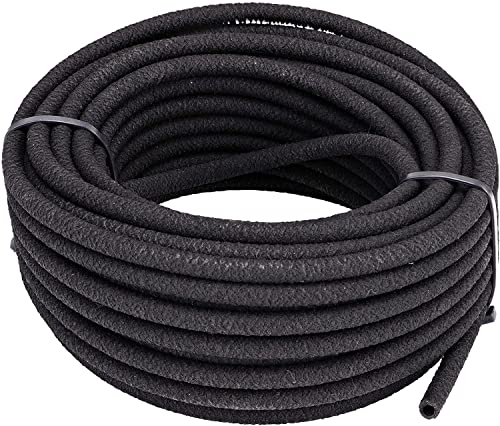
Slowly waters the soil around your plants for complete root zone hydration; Ideal for short runs on flat surfaces, such as vegetable gardens, borders, and around small plants

GENTLE WATERING: Disperses water into a soft, even flow to protect delicate plants, seedlings, and soil from erosion and washout
Methods of Watering
- Soaker Hoses: Lay soaker hoses around the base of your trees. Soaker hoses deliver water directly to the soil, minimizing evaporation. This method promotes deep root growth and conserves water.
- Drip Irrigation: Set up a drip irrigation system for efficiency. Drip lines release water slowly at the tree’s root zone. This approach encourages deep watering and reduces the risk of over-saturation.
- Hand Watering: Use a hose or watering can for careful control. Water the base of the tree until the soil is moist but not waterlogged. Aim to saturate the root zone, allowing excess water to drain away.
- Rainwater Collection: Utilize rain barrels to collect natural rainfall. Watering with harvested rain reduces reliance on municipal sources and can benefit tree health with unchlorinated water.
- Early Morning: Water early in the morning for best results. This timing allows moisture to soak into the soil before the day’s heat begins, minimizing evaporation.
- Avoid Midday: Skip watering during the hottest part of the day. Watering when temperatures peak can lead to significant loss due to evaporation and potential leaf burn.
- Watering Frequency: Adjust your watering frequency based on soil moisture. For young trees, water every 1-2 weeks. Mature trees generally require hydration every 2-4 weeks. Consider local climate changes and adjust accordingly.
- Seasonal Adjustments: Increase watering during spring and summer. As temperatures rise, trees need more moisture for growth. Reduce watering in fall and winter, especially when temperatures drop below freezing. Prioritize hydration during dry spells to protect roots.
By following these methods and timing recommendations, you can enhance the health and productivity of your fruit trees, enjoying a bountiful harvest.
Conclusion
Finding the right watering routine for your fruit trees is key to their health and productivity. By paying attention to their specific needs and adjusting based on factors like age climate and soil type you can ensure your trees thrive.
Remember to monitor soil moisture and look for signs that your trees may need water. With a little care and attention you’ll set the stage for a fruitful harvest. Happy gardening and enjoy the delicious fruits of your labor!
Frequently Asked Questions
How often should I water young fruit trees?
Young fruit trees typically need more frequent watering, generally every 1-2 weeks during their first couple of years. Their shallow roots require consistent moisture to establish healthy growth.
When is the best time to water fruit trees?
The ideal time to water fruit trees is early in the morning. This timing minimizes evaporation and allows moisture to penetrate the soil effectively before the day’s heat.
How does soil type affect watering frequency?
Soil type significantly impacts watering needs. Sandy soils may require watering once or twice a week, while clay soils can go every 2-3 weeks. Loamy soils usually need watering every 1-2 weeks.
What signs indicate that my fruit trees need water?
Look for wilting leaves, leaf drop, and dry, crumbly soil as signs that your fruit trees need water. Monitoring these indicators helps ensure your trees receive adequate hydration.
Should I adjust watering frequency with the seasons?
Yes, adjust your watering frequency with the seasons. Increase watering in the spring and summer, then reduce it in the fall and winter as trees prepare for dormancy and demand less moisture.
Can different types of fruit trees have varying water needs?
Absolutely! Different fruit tree varieties have unique water requirements. For instance, citrus trees tend to thrive in drier conditions, while apple and cherry trees require more moisture.
How can I check soil moisture effectively?
Conduct a soil moisture test to determine when to water. You can simply stick your finger into the soil or use a moisture meter for accurate readings, ensuring your trees get the right amount of hydration.
What is the best method for watering fruit trees?
Effective watering methods include using soaker hoses, drip irrigation, or hand watering. Each method helps provide moisture directly to the tree’s roots while minimizing evaporation, benefiting tree health.
