

Have you ever wondered how to kickstart the growth of honeydew seeds in your own backyard? Picture this: you’re eager to cultivate a lush garden full of sweet, juicy honeydew melons but unsure where to begin. That’s where we come in – with simple yet effective tips on germinating honeydew seeds effortlessly.
In this article, we’ll guide you through the process of germinating honeydew seeds, turning your gardening aspirations into fruitful reality. Discover the joy of nurturing these seeds into thriving plants that bear delicious fruits for you to enjoy. Get ready to embark on a journey towards a bountiful harvest with our easy-to-follow steps for successfully germinating honeydew seeds at home.
Key Takeaways
- Understand the basics of seed biology when germinating honeydew seeds, including the role of water in signaling germination and the emergence of roots and shoots.
- Factors like temperature, moisture, light, soil quality, and planting depth can influence successful seed germination.
- Choose high-quality honeydew seeds from a reputable supplier and gather essential supplies like seed starting trays, potting mix, watering tools, plastic wrap, and a suitable growing environment.
- Follow a step-by-step guide for germinating honeydew seeds: soak seeds overnight, plant them in well-draining soil mix at the right depth, provide optimal conditions for germination with consistent warmth and moisture.
- Care for germinated honeydew seedlings by ensuring they receive enough sunlight, maintaining consistent warm temperatures, avoiding overwatering to prevent root rot, and feeding them with diluted liquid fertilizer every 2 weeks.
Understanding Seed Germination
In the process of germinating honeydew seeds, understanding seed germination is crucial. Here’s a breakdown of the basics of seed biology and factors that can affect this vital stage in plant growth:
The Basics of Seed Biology
Seeds are remarkable capsules of life waiting to sprout under the right conditions. They contain an embryo (baby plant), stored food reserves, and a protective seed coat. When you plant a honeydew seed, it absorbs water, signaling the start of germination. Water activates enzymes that break down stored nutrients for the growing embryo.
During germination, the radicle (the first root) emerges from the seed followed by the shoot tip breaking through to seek sunlight. This process continues as roots grow down into the soil for water and nutrients while leaves emerge above ground to perform photosynthesis.
Factors That Affect Germination
Several factors influence successful germination. Temperature plays a critical role; most seeds prefer warm soil to kickstart growth. Moisture is also essential but avoid overwatering as it can lead to rotting. Light may or may not be necessary depending on the type of seed; some require darkness for optimal sprouting.
Soil quality matters too – ensure it’s well-draining and rich in nutrients for healthy root development. Additionally, planting depth can impact germination; follow guidelines specific to honeydew seeds for optimal results.
Preparing to Germinate Honeydew Seeds
When it comes to preparing for germinating honeydew seeds, there are a few key steps you should follow to ensure success. From choosing the right seeds to gathering the necessary supplies, here’s what you need to know:
Recommended Products

EASIER SEED STARTING: Our Burpee SuperSeed tray with 36 flexible pop-out cells is designed to simplify indoor seed starting for all your favorite vegetables, flowers and herbs. Just add seed starting mix, seeds, water and light to get growing! Rows are labeled alphanumerically for seedling identification with included Plant-o-Gram diagram. Tray dimensions: 11.5" x 10-3/8" x 2-1/4"

Adjustable Vents: The seed trays have adjustable vents that allow you to regulate the temperature and humidity of your seedling environment for total control over the growing process.

Choosing the Right Seeds
To kickstart your honeydew growing journey, make sure you select high-quality honeydew seeds from a reputable supplier or store. Opt for organic seeds if possible, as they tend to have a higher germination rate and are free from harmful chemicals that could affect plant growth.
Necessary Supplies
Before you begin the germination process, gather all the essential supplies you’ll need. These include:
- Seed starting trays or pots: Choose containers with good drainage to prevent waterlogging.
- High-quality potting mix: Ensure it is well-draining and rich in nutrients.
- Watering can or spray bottle: To provide moisture without disturbing the seeds.
- Transparent plastic wrap: Useful for creating a mini greenhouse effect to retain moisture.
- Warm, well-lit area: Find a spot with consistent warmth and indirect sunlight for optimal seed germination.
By carefully selecting your honeydew seeds and having all the necessary supplies at hand, you’re setting yourself up for successful germination and ultimately enjoying delicious homegrown honeydew melons.
Step-by-Step Guide to Germination
Starting the germination process for honeydew seeds is an exciting journey towards growing your own delicious melons. Follow these steps carefully to ensure successful germination and enjoy the fruits of your labor.
Recommended Products

12-LED GROW LIGHT PER TRAY — Each of the five seed starting trays features a full-spectrum grow light with 12 LED beads, providing supplemental light for indoor seedlings.
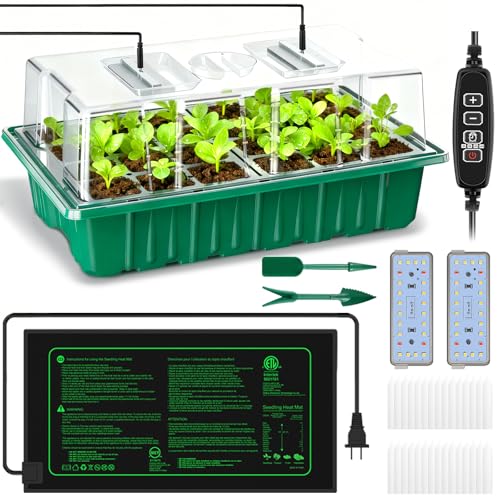
🌱【Most Suitable Temperature】The Durable Seedling Hydroponic Heat Mat provides consistent, uniform heating at temperatures around 70°F to 85°F (24℃ to 30℃), which are the perfect temperatures for seed starting and cutting propagation.High-quality plastic is reusable, recyclable. The seed starter trays are divided into equal 1.96" squares in 1.85" depth for your small or large seeds for flowers, vegetables, fruits, succulents and other plants. It is designed with the proper size holes to allow drainage, while the bottom seedling trays retains overflow water to prevent leaking.
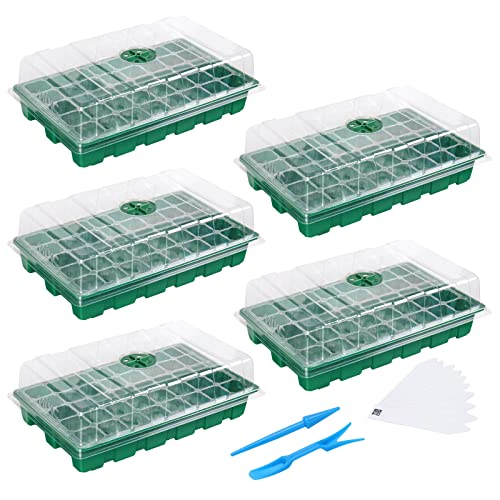
High quality transparent plastic cell trays of this seed grow kit make it easy to observe your plants without interrupting the process.
Soaking the Seeds
To kickstart the germination process, begin by soaking your honeydew seeds in water overnight. This helps soften the seed coat, allowing moisture to penetrate and activate growth. Ensure that you use room temperature water for this step as extreme temperatures can harm the seeds.
Sowing Seeds in the Right Soil Mix
Once your seeds have soaked, it’s time to plant them in a suitable soil mix. Prepare a blend of well-draining potting mix enriched with organic matter like compost or aged manure. Create small indentations in the soil for each seed, ensuring they are not planted too deep – around half an inch is ideal.
Ideal Conditions for Germination
For successful germination, provide optimal conditions for your honeydew seeds. Place the seed trays in a warm location with temperatures consistently between 70-85°F (21-29°C). Keep the soil consistently moist but not waterlogged by lightly misting it daily or using a spray bottle. Additionally, cover the trays with plastic wrap to create a greenhouse effect that retains moisture and warmth essential for seed sprouting.
Caring for Germinated Honeydew Seedlings
After successfully germinating your honeydew seeds, it’s crucial to provide proper care to ensure healthy seedling growth. Here are essential tips on caring for germinated honeydew seedlings:
Recommended Products
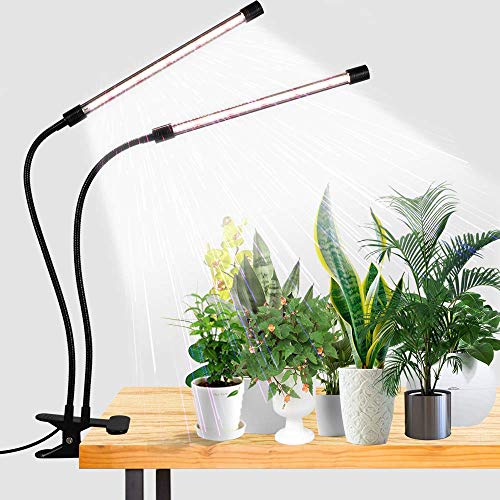
6000K White Light - equipped with 10 Red + 74 White LEDs, this growing Lamp is similar to the full-spectrum sunlight at noon,that is professionally designed for indoor garden plants.Moreover, its color rendering index is as high as 95, the light is soft and flicker-free, which is very suitable for reading lamp

OPTIMIZED FOR SEEDLINGS & VEG PLANTS: The indoor plant light features a scientifically designed diode layout and a high-performance LED driver, delivering 11000 lumens for optimal seedling and vegetative growth, ensuring your plants thrive at every stage

6000K Daylight Full Spectrum- Packed with 40 white and 8 red LEDs, this growth light throws a crisp 6000K beam that reads like real sunshine indoors. Built for flowers, herbs, peppermint, succulents, and seed starting, and flexible enough for hanging baskets, trellises, floor pots, and bonsai alike.
Light and Temperature Requirements
Place the germinated honeydew seedlings in a location that receives plenty of sunlight. Aim for at least 6-8 hours of direct sunlight daily. Ensure the temperature remains consistently warm, ideally between 70-85°F (21-29°C). Avoid exposing the seedlings to sudden temperature fluctuations or drafts as they can stress the delicate plants.
Watering and Feeding the Seedlings
Water your honeydew seedlings regularly but be cautious not to overwater. Keep the soil consistently moist but not waterlogged to prevent root rot. A good practice is to water when the top inch of soil feels dry to the touch. Additionally, feed your seedlings with a balanced liquid fertilizer diluted to half-strength every 2 weeks to promote healthy growth.
Conclusion
You’ve now learned the essential steps to successfully germinate honeydew seeds and grow your own sweet melons at home. Remember, factors like temperature, moisture, light, soil quality, and planting depth play crucial roles in the germination process. By following the step-by-step guide provided in this article, you can ensure your honeydew seedlings thrive and develop into healthy melon plants. With proper care and attention to details such as sunlight exposure, watering frequency, and fertilization, you’ll soon be enjoying the fruits of your labor with delicious homegrown melons. Happy gardening!
Frequently Asked Questions
Q: What are the key factors for successfully germinating honeydew seeds?
A: Temperature, moisture, light, soil quality, and planting depth are crucial for seed germination.
Q: What is the step-by-step process for germinating honeydew seeds?
A: Soak the seeds, plant them in well-draining soil, maintain consistent warmth and moisture.
Q: How should I care for honeydew seedlings after germination?
A: Place them in sunny locations with proper temperatures, avoid overwatering, feed with diluted liquid fertilizer every 2 weeks.
Q: How can readers nurture their honeydew seedlings into healthy melon plants?
A: Follow the instructions provided in the article for successful growth and delicious melons.
