

Ever wondered how long it takes for honeydew to grow? Picture this: you’re at the grocery store, eyeing a perfectly ripe honeydew melon, and you start pondering about its journey from seed to fruit. Understanding the timeline of honeydew growth can not only satisfy your curiosity but also help you appreciate the effort behind each juicy bite.
In this article, we’ll explore the fascinating process of honeydew growth, shedding light on the stages it goes through before reaching your plate. By uncovering the secrets of how long it takes for honeydew to mature, you’ll gain a deeper appreciation for this delicious fruit and perhaps even inspire you to try growing your own. So, let’s dive into the world of honeydew cultivation and discover the time and patience required for nature’s sweet gift to develop fully.
Key Takeaways
- Honeydew growth stages include germination, seedling stage, vegetative growth, flowering, fruit formation, and ripening.
- Optimal conditions for honeydew growth involve warm temperatures, consistent watering, well-draining soil rich in organic matter, and sufficient sunlight exposure.
- Soil quality with a pH level between 6.0 and 7.0 is crucial for healthy honeydew plant development.
- Providing at least 6-8 hours of sunlight daily and maintaining temperatures between 70-90°F (21-32°C) are essential for successful honeydew cultivation.
- Common challenges in growing honeydew include pest management (aphids, powdery mildew), disease control (cucumber beetles), overwatering issues, and nutrient deficiencies.
- Harvest honeydew when the skin color changes to creamy yellow or white, the rind becomes slightly waxy when pressed gently, and a dull thud is heard upon tapping the melon for optimal sweetness.
Understanding the Growth Cycle of Honeydew
Honeydew goes through several key stages in its development before it’s ready to be enjoyed. Understanding these stages and the factors that influence the growth rate can help you appreciate the journey from seed to fruit.
Key Stages in Honeydew Development
- Germination: After planting honeydew seeds, they typically germinate within 7 to 10 days if kept in optimal conditions.
- Seedling Stage: During this stage, the young plants develop their first true leaves and start establishing their root systems.
- Vegetative Growth: As the plant matures, it focuses on leaf and stem development to support future fruit production.
- Flowering: Honeydew plants produce flowers that need pollination to set fruit. Bees are often crucial for this process.
- Fruit Formation: Once successfully pollinated, tiny honeydew fruits start forming and gradually grow larger over time.
- Ripening: The fruits continue to mature on the vine until they reach full ripeness, characterized by a sweet aroma and slightly soft texture.
- Temperature: Honeydew thrives in warm temperatures between 70°F and 90°F (21°C–32°C) for optimal growth.
- Watering: Consistent watering is essential during all growth stages, ensuring that the plant receives enough moisture without being waterlogged.
- Soil Quality: Well-draining soil rich in organic matter provides honeydew plants with necessary nutrients for healthy growth.
- Sunlight Exposure: Honeydew plants require plenty of sunlight, ideally at least 6 hours of direct sunlight daily for robust development.
By recognizing these key stages and factors influencing honeydew growth, you can cultivate a deeper appreciation for this delicious fruit while potentially considering growing your own sweet harvest.
Optimizing Conditions for Growing Honeydew
To ensure successful honeydew growth, you need to focus on optimizing the conditions in which it thrives. Here’s how you can create the ideal environment for your honeydew plants:
Recommended Products

100% ORGANIC AND NON-GMO: There's no need to worry about intoxicants that may hinder your plant's growth because the Back to the Roots Seed Bundle is completely organic and not genetically modified
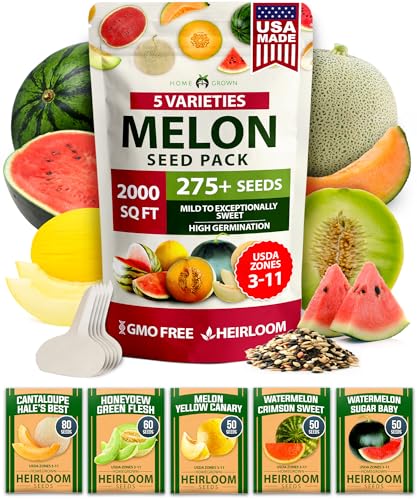
5 Sweet Melons — premium dessert varieties with rich, juicy flavor. High-quality seeds from the latest harvest deliver productive plants with attractive, great-tasting fruits. Selected for sweetness, shelf life, and transportability. Adaptable to different climates and soils, helping you grow a rewarding harvest and enjoy fresh, gourmet-quality melons from your own garden.

Beautiful - Large individual packet of Green Honeydew Melon (Cucumis melo) seeds. Grow an abundant harvest of sweet melons. Each plant grows vigorously and produces 2-4 melons. Minimum of 1.5g per packet (about 50 seeds).
Soil Requirements
When it comes to growing honeydew, soil quality plays a crucial role in providing essential nutrients and support for healthy plant development. Opt for well-draining soil with a pH level between 6.0 and 7.0 to promote optimal growth. Adding organic matter like compost can enhance soil fertility, aiding in the vigorous growth of your honeydew plants.
Climate and Temperature Needs
Honeydew plants thrive in warm climates with plenty of sunlight. Aim to provide your plants with at least 6-8 hours of sunlight daily to support robust growth and fruit production. Additionally, maintaining temperatures between 70-90°F (21-32°C) is ideal for honeydew cultivation. Protect your plants from cold drafts or frost as they are sensitive to low temperatures, which can hinder their growth progress.
By ensuring that you meet the specific soil requirements and climate conditions outlined above, you’ll be well on your way to cultivating thriving honeydew plants that yield delicious fruits ripe for harvest.
Common Challenges in Growing Honeydew
When cultivating honeydew, you may encounter various challenges that can impact the growth and health of your plants. Addressing these common issues is crucial to ensure a successful harvest of delicious honeydew fruits.
Pest and Disease Management
In the process of growing honeydew, it’s essential to be vigilant about potential pests and diseases that can harm your plants. Here are some common adversaries you might face:
- Aphids: These tiny insects feed on plant sap, causing leaves to curl and distort, affecting overall plant health.
- Powdery Mildew: A fungal disease that appears as white powdery spots on leaves, reducing photosynthesis and weakening the plant.
- Cucumber Beetles: These beetles can transmit bacterial wilt disease to honeydew plants, leading to wilting and eventual death.
To manage pest and disease issues effectively:
- Inspect your plants regularly for any signs of infestation or infection.
- Introduce beneficial insects like ladybugs or lacewings to control aphid populations naturally.
- Use organic pesticides sparingly and according to instructions to minimize harm to beneficial insects.
Watering and Nutrient Issues
Proper watering and nutrient management are critical factors in the successful growth of honeydew plants. Here’s how you can address common watering and nutrient-related challenges:
- Overwatering: Excessive moisture can lead to root rot, stunting plant growth, and causing fruit quality issues.
- Nutrient Deficiencies: Inadequate levels of essential nutrients like nitrogen, potassium, or magnesium can result in yellowing leaves or poor fruit development.
To avoid watering and nutrient problems:
- Water your honeydew plants deeply but infrequently to prevent waterlogging.
- Test your soil regularly to ensure it has the right balance of nutrients for healthy plant growth.
- Consider using organic fertilizers rich in micronutrients tailored for melon crops.
By proactively managing these challenges related to pests, diseases, watering practices, and nutrient levels, you’ll set yourself up for a rewarding honeydew growing experience with bountiful harvests of sweet melons.
Harvesting Honeydew
When it comes to harvesting honeydew, there are key signs of maturity you should look for and best practices to ensure a successful harvest.
Recommended Products
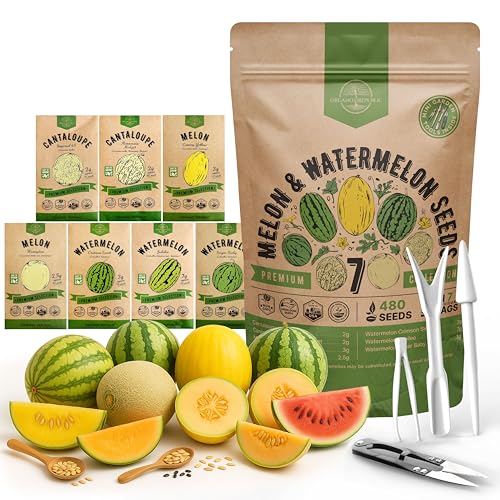
Gardening Kit: 7 Melon & Watermelon Seeds Variety Pack NON GMO Heirloom Seeds LESS THAN $2.00 PER SEED VARIETY PACK 480+ seeds including: Cantaloupe Imperial, Cantaloupe Minnesota Midget, Melon Canary Yellow, Melon Honeydew, Watermelon Crimson Sweet, Watermelon Jubilee, Watermelon Sugar Baby.
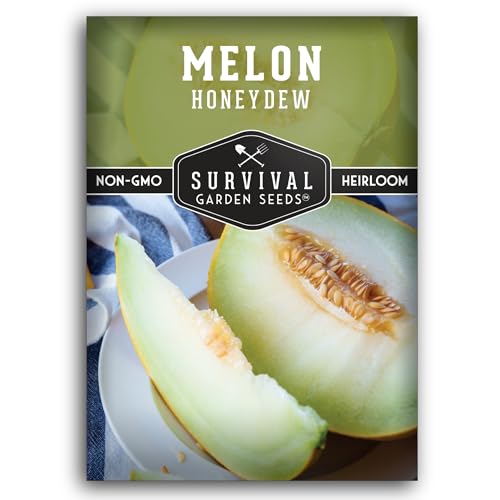
REFRESHINGLY SWEET MELONS – Classic honeydew flavor with smooth light green flesh that’s juicy and fragrant for sweet summer enjoyment straight from your own home garden vines

TRUSTED VARIETY - Popular honeydew seeds used by gardeners for years. Yellow/Tan rind at maturity with a beautiful green colored flesh.
Signs of Maturity
To determine if your honeydew melon is ready for harvest, look for these signs:
- Color: The skin color changes from green to a creamy yellow or white when ripe.
- Texture: The rind becomes slightly waxy and gives a bit when pressed gently.
- Sound: A dull thud instead of a metallic ring indicates ripeness when tapping the melon.
By observing these indicators, you can pick honeydew at the peak of sweetness and juiciness for the best flavor.
Best Practices for Harvesting
Follow these tips for optimal harvesting:
- Timing: Harvest honeydew when they reach full maturity on the vine; avoid picking them too early.
- Tools: Use sharp shears or a knife to cut the fruit from the vine without damaging it.
- Stem Attachment: Leave an inch or two of stem attached to improve storage life and prevent rotting.
- Storage: Store harvested honeydew at room temperature until fully ripe, then refrigerate for extended freshness.
By adhering to these guidelines, you’ll enjoy delicious, homegrown honeydew melons at their prime ripeness.
Conclusion
You’ve now gained valuable insights into the growth journey of honeydew melons. Understanding the various stages, from germination to ripening, and the impact of factors like temperature and sunlight on their development is key to successful cultivation. By optimizing conditions such as soil quality and climate requirements, you can enhance your chances of a bountiful harvest. Be prepared to tackle challenges like pests and diseases using eco-friendly solutions for a thriving crop. Remember, proper watering and nutrient management are crucial for healthy plants. When it comes to harvesting, keep an eye out for signs of maturity and follow best practices to enjoy the sweetest homegrown honeydew melons. Happy gardening!
Frequently Asked Questions
What factors influence the growth cycle of honeydew?
Factors like temperature, watering, soil quality, and sunlight exposure play crucial roles in influencing the growth cycle of honeydew.
How can one optimize conditions for cultivating honeydew?
Optimize conditions by focusing on soil requirements and climate needs to ensure successful cultivation of honeydew.
What are common challenges in honeydew cultivation?
Common challenges include pest and disease management. Solutions involve using beneficial insects and organic pesticides.
Why is proper watering and nutrient management important in honeydew cultivation?
Proper watering and nutrient management are vital to avoid overwatering, deficiencies, and ensure healthy growth of honeydew plants.
How can one identify when honeydew melons are ready for harvest?
Look for signs of maturity such as color change, texture, sound. Harvest at the right time with appropriate tools, stem attachment methods, and storage techniques for peak flavor.
