
Close Menu
    Fruit Tree Hub
    • Home
    • Apple Trees
    • Lemon Trees
    • Mango Trees
    • Orange Trees
    • More Trees
      • Best Fruit Trees
      • Apricot Trees
      • Cherry Trees
      • Fig Trees
      • Lime Trees
      • Mulberry Trees
      • Peach Trees
      • Pear Trees
      • Plum Trees
      • Pomegranate Trees
    • Tips and Advice
      • Tools
    • About Us
      • Contact
      • Privacy Policy
    Fruit Tree Hub
    Home»Tips and Advice»How to Keep Deer from Fruit Trees: Proven Strategies for a Bountiful Harvest
    Tips and Advice

    How to Keep Deer from Fruit Trees: Proven Strategies for a Bountiful Harvest

    Martha JacksonBy Martha JacksonDecember 18, 20248 Mins Read
    Share Facebook Twitter Pinterest WhatsApp Email
    Share
    Facebook Twitter LinkedIn Pinterest Telegram Email

    Have you ever stepped outside to find your prized fruit trees stripped bare by hungry deer? It’s a frustrating sight that many gardeners know all too well. Protecting your hard work can feel like an uphill battle, but it doesn’t have to be.

    Contents show
    1 Key Takeaways
    2 Understanding Deer Behavior
    2.1 Feeding Habits of Deer
    2.2 Time of Year and Deer Movement
    3 Effective Methods to Keep Deer Away
    3.1 Physical Barriers
    3.2 Chemical Repellents
    3.3 Frightening Devices
    4 Best Practices for Protecting Fruit Trees
    4.1 Tree Location and Design
    5 Natural Solutions for Deterrence
    5.1 Companion Planting
    5.2 Natural Predators
    6 Conclusion
    7 Frequently Asked Questions
    7.1 What attracts deer to my fruit trees?
    7.2 How can I physically protect my fruit trees from deer?
    7.3 Are there natural deterrents for deer?
    7.4 How often should I reapply repellents?
    7.5 What are some effective frightening devices to deter deer?
    7.6 How can understanding deer behavior help with fruit tree protection?
    7.7 Should I monitor deer activity in my garden?
    7.8 What best practices should I follow for protecting my fruit trees?

    Key Takeaways

    • Understand Deer Behavior: Recognizing deer feeding habits and seasonal movement patterns is essential for effective protection of fruit trees.
    • Physical Barriers: Installing tall fences, dense shrubs, or mesh netting can provide significant protection against deer.
    • Chemical Repellents: Utilize repellents with strong scents, such as garlic or capsaicin, and reapply regularly for maximum effectiveness.
    • Frightening Devices: Implement motion-activated lights, noise-makers, and reflective materials to deter deer and disrupt their feeding routines.
    • Strategic Tree Placement: Position fruit trees away from wooded areas and elevate their locations to minimize accessibility for deer.
    • Natural Deterrents: Incorporate companion plants and attract natural predators to create an environment less inviting to deer while enhancing garden beauty.

    Understanding Deer Behavior

    Understanding deer behavior is crucial for protecting your fruit trees. Recognizing their feeding habits and movement patterns helps you implement effective prevention strategies.

    Feeding Habits of Deer

    Deer usually feed on tender leaves, shoots, and fruits. They enjoy fruit trees, especially in spring and summer when trees produce new growth. Young trees attract deer more than established ones. You might notice them munching on your fruit trees, especially apple and peach varieties.

    To deter deer:

    • Use fencing to create a barrier.
    • Plant more deer-resistant options nearby, like herbs and ornamental grasses.
    • Apply deer repellent sprays to deter them from frequent visits.
    MUST READ
    How Big Do Fruit Trees Get and What You Should Know Before Planting One

    Time of Year and Deer Movement

    Deer movement varies throughout the year due to seasonal changes. During spring and summer, they search for nutritious foliage and fruit. In fall, they prepare for winter by eating high-calorie foods. If you’ve planted fruit trees, expect heightened activity in these months.

    To adapt to their seasonal patterns:

    • Install motion-activated lights or noise makers.
    • Create barriers using natural elements like thick shrubs.
    • Monitor deer activity with digital trail cameras for better timing on protective measures.

    Understanding these patterns helps you decide when to take action. By being proactive, you can minimize damage to your valuable fruit trees.

    Effective Methods to Keep Deer Away

    Protecting fruit trees from deer involves several strategies that can significantly reduce damage. By implementing these effective methods, you can help safeguard your trees and ensure a good harvest.

    Recommended Products
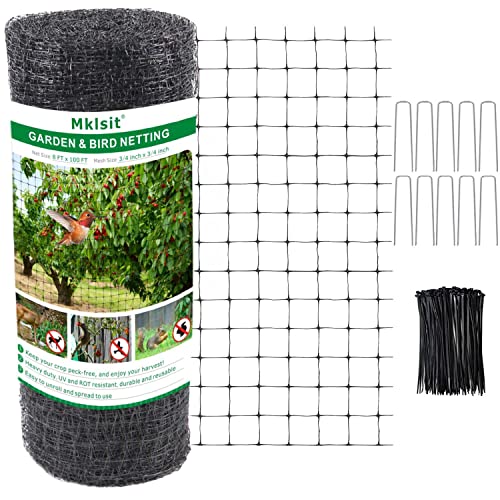
    Mklsit Deer Netting Fence, 8ft x 100ft Bird Netting Heavy Duty Garden Netting for Garden Protection Fruit Trees Vegetable Plants Against Birds, Deer and Other Animals
    Mklsit Deer Netting Fence, 8ft x 100ft Bird Netting Heavy Duty Garden Netting for Garden Protection Fruit Trees Vegetable Plants Against Birds, Deer and Other Animals

    Taller & Heavier: Mklsit 8ft x 100ft deer netting is improved to be taller and heavier weight. Our deer fence is 8 feet tall, and product weight per foot is more, also. Best bird netting for gardens & landscapes protection

    VIEW LATEST PRICE

    As an affiliate, we earn on qualifying purchases.

    Feitore Deer Fence Netting, 7 x 100 Feet Anti Bird Deer Protection Net Reusable Protective Garden Netting for Plants Fruit Trees Vegetables Against Birds and Other Animals
    Feitore Deer Fence Netting, 7 x 100 Feet Anti Bird Deer Protection Net Reusable Protective Garden Netting for Plants Fruit Trees Vegetables Against Birds and Other Animals

    Size: Deer netting size 7 feet x 100 feet; garden netting mesh size 3/4"; color: black; Easy to use accessories included: 10pcs installation nails & 50pcs cable ties

    VIEW LATEST PRICE

    As an affiliate, we earn on qualifying purchases.

    FEED GARDEN Deer Netting Deer Fence Netting, 7 x 200 Feet for Garden Protection Reusable Protective for Plants Fruit Trees Vegetables Against Birds and Other Animal
    FEED GARDEN Deer Netting Deer Fence Netting, 7 x 200 Feet for Garden Protection Reusable Protective for Plants Fruit Trees Vegetables Against Birds and Other Animal

    COMPLETE PROTECTION KIT - Professional-grade 7ft x 200ft deer netting with 3/4" fine mesh that effectively blocks deer, rabbits, birds, and small pests. Includes 20 metal landscape staples and 50 zip ties for immediate installation - everything you need in one package.

    VIEW LATEST PRICE
    MUST READ
    How To Keep Birds Away From Fruit Trees

    As an affiliate, we earn on qualifying purchases.

    Physical Barriers

    Installing physical barriers is one of the most effective ways to keep deer away. Fences should be at least 8 feet tall to prevent deer from jumping over them. Use woven wire or stock fencing for durability. If you prefer a more aesthetic option, consider decorative fencing or trellises.

    In addition to traditional fencing, you can plant dense shrubs or thorny hedges around your fruit trees. These natural barriers create an environment that deer tend to avoid. Additionally, mesh netting can provide a protective layer around individual trees, particularly for young saplings.

    Chemical Repellents

    Applying chemical repellents serves as another deterrent against deer. These products often have strong odors or tastes that discourage feeding. Look for repellents that contain ingredients like putrescent egg solids, garlic, or capsaicin.

    Follow the manufacturer’s instructions for application to ensure maximum effectiveness. Reapply after rain or every few weeks, especially during peak feeding seasons. Keep in mind that some organic options, like homemade solutions of water, dish soap, and hot pepper, can also effectively deter deer.

    Frightening Devices

    Utilizing frightening devices can help scare deer away from your property. Motion-activated lights and noise-makers, like ultrasonic devices, disrupt the deer’s feeding routine. Sudden movements or sounds may make deer hesitant to approach your trees.

    For an additional layer of deterrence, consider using reflective materials, such as aluminum foil or old CDs. Hanging these around your trees can create movement and light that frightens deer. Regularly changing the placement of these devices prevents deer from becoming accustomed to them.

    Best Practices for Protecting Fruit Trees

    Protecting your fruit trees from deer requires strategic planning and consistent effort. Implementing the following practices can help minimize the risk of deer damage.

    Recommended Products

    Deer Out 40oz Ready-to-Use Deer Repellent
    Deer Out 40oz Ready-to-Use Deer Repellent

    Over 100,000 Repeat Customers - For over 20 years Deer Out is the trusted brand for professional gardeners, landscapers and farmers alike. Works Great!

    VIEW LATEST PRICE

    As an affiliate, we earn on qualifying purchases.

    Liquid Fence Deer And Rabbit Repellent Ready-To-Use, Apply Year-Round, 1 Gallon
    Liquid Fence Deer And Rabbit Repellent Ready-To-Use, Apply Year-Round, 1 Gallon

    REPELS DEER AND RABBITS: Deer and rabbits don’t have to eat vegetation for the repellent to be effective—they have a natural aversion to the scent

    MUST READ
    Where to Buy Fruit Trees in Michigan: Best Local Sources and Care Tips for Your Garden
    VIEW LATEST PRICE

    As an affiliate, we earn on qualifying purchases.

    Deer Repellent Ball 12 Pcs: Effective Deer Deterrent for Garden, Protect Your Plants with Powerful Repellents Deer for Flowers, Shrubs & Trees
    Deer Repellent Ball 12 Pcs: Effective Deer Deterrent for Garden, Protect Your Plants with Powerful Repellents Deer for Flowers, Shrubs & Trees

    WORKS FOR COMMON DEER-PRONE AREAS: This deer repellent effectively limits grazing and trampling in planted areas, covering up to 100 sq. ft. Each application ensures that plants can grow steadily without ongoing disturbance from deer.

    VIEW LATEST PRICE

    As an affiliate, we earn on qualifying purchases.

    Tree Location and Design

    1. Choose Vulnerable Locations Wisely: Place fruit trees away from wooded areas or cover where deer may hide. Open spaces create an unfriendly environment for deer.
    2. Design with Barriers: Use natural barriers like thorny bushes around tree perimeters. Dense shrubs deter deer from getting close.
    3. Elevate the Trees: If possible, plant fruit trees on elevated ground. This reduces visibility from deer who scan for food.
    1. Regularly Check for Damage: Inspect trees frequently for signs of deer activity, such as browsing on leaves and bark. Early detection allows faster intervention.
    2. Reapply Repellents Often: Use chemical repellents with strong odors or tastes, and reapply them after rain or heavy winds to maintain effectiveness.
    3. Seasonal Adjustments: Modify protective measures based on deer activity patterns. Increase deterrents during spring and summer when deer forage heavily.
    4. Prune Wisely: Keep trees pruned to deter deer by reducing low-hanging branches that attract their attention. Proper pruning shapes trees to be less inviting.

    By combining these strategies, you can effectively protect your fruit trees and enjoy a bountiful harvest year after year.

    Natural Solutions for Deterrence

    Natural deterrents can effectively keep deer away from your fruit trees without harsh chemicals or physical barriers. Using these methods enables you to create an environment less inviting for deer.

    Recommended Products

    4-Pack Solar Powered Ultrasonic Animal Repeller, Outdoor Waterproof Deer Squirrel with Motion-Activated Sensor Strobe Light, for Cats, Raccoons, Skunks, Rabbits and More
    4-Pack Solar Powered Ultrasonic Animal Repeller, Outdoor Waterproof Deer Squirrel with Motion-Activated Sensor Strobe Light, for Cats, Raccoons, Skunks, Rabbits and More

    【5 Adjustable Frequency Modes for Targeted Control】This repellent device features 5 selectable frequency settings to effectively deter various animals—from small pests like squirrels to larger ones such as raccoons, stray cats, dogs, foxes, and even deer. Easily switch between modes to prevent animals from getting used to the sound, ensuring long-lasting protection for your garden.

    MUST READ
    How to Get Fruit Trees in Animal Crossing New Horizons: Tips for Creating a Lush Orchard
    VIEW LATEST PRICE

    As an affiliate, we earn on qualifying purchases.

    Orbit Yard Enforcer Motion-Activated Sprinkler - Outdoor Animal Repeller & Lawn Protector - Motion Sensor - Multi-Angle Detection - Weatherproof Dual-Purpose Sprinkler - 62100
    Orbit Yard Enforcer Motion-Activated Sprinkler - Outdoor Animal Repeller & Lawn Protector - Motion Sensor - Multi-Angle Detection - Weatherproof Dual-Purpose Sprinkler - 62100

    Humane Lawn Protection: The Orbit Yard Enforcer Motion-Activated Sprinkler helps guard gardens and lawns from unwanted animals using a motion-activated sprinkler system

    VIEW LATEST PRICE

    As an affiliate, we earn on qualifying purchases.

    Havahart Critter Ridder - Motion Activated Animal Repellent Sprinkler for Yard Pest Control, Deters Cats, Dogs, Squirrels, Deer, Raccoons & Rodents, Lawn Protector, Batteries Not Included, 5277
    Havahart Critter Ridder - Motion Activated Animal Repellent Sprinkler for Yard Pest Control, Deters Cats, Dogs, Squirrels, Deer, Raccoons & Rodents, Lawn Protector, Batteries Not Included, 5277

    MOTION DETECTION: Detecting animal heat and movement within 60 feet, as the advanced infrared sensor instantly triggers a startling water spray to effectively repel squirrels, cats, deer, raccoons, and other nuisance pests from your yard

    VIEW LATEST PRICE

    As an affiliate, we earn on qualifying purchases.

    Companion Planting

    Companion planting involves strategically placing plants around your fruit trees that deer find unappealing. Consider planting items like:

    • Lavender: Its strong scent is off-putting to deer.
    • Rosemary: This herb has a robust aroma that deer tend to avoid.
    • Marigolds: These flowers emit odors that deter many pests, including deer.
    • Thorny bushes: Blackberry or raspberries present a natural barrier that discourages deer from approaching.

    By incorporating these plants, you create a natural repellent and enhance the garden’s beauty. Ensure you arrange these companion plants in close proximity to your fruit trees for the most effective protection.

    Natural Predators

    Utilizing natural predators can make your garden less appealing to deer. Here are a few strategies:

    • Encourage birds of prey: Install perches or owl decoys to attract hawks and owls. Their presence can deter deer from venturing nearby.
    • Use dogs: If you have a dog, allowing it to roam the garden can significantly reduce deer visits. Deer avoid areas that smell like a dog.
    • Scare tactics: Set up motion-activated devices that mimic predator sounds or movements. This can create enough disturbance to keep deer at bay.

    Incorporating these strategies not only provides a natural deterrent method but also fosters a balanced ecosystem in your garden, keeping it vibrant and protected.

    Conclusion

    Protecting your fruit trees from deer doesn’t have to be a daunting task. By understanding their behavior and implementing a mix of physical barriers and natural deterrents, you can create a thriving garden.

    MUST READ
    What Are the Fruit Trees and How to Successfully Grow Them in Your Garden

    Stay proactive with regular inspections and seasonal adjustments to your strategies. Remember to keep experimenting with different methods until you find the perfect combination that works for your space.

    With a little effort and creativity, you’ll enjoy a bountiful harvest while keeping those pesky deer at bay. Happy gardening!

    Frequently Asked Questions

    What attracts deer to my fruit trees?

    Deer are attracted to fruit trees because they seek tender leaves, shoots, and fruits. Young trees and popular varieties like apple and peach are particularly inviting for deer, especially during the spring and summer when they are most active.

    How can I physically protect my fruit trees from deer?

    Using tall fences, dense shrubs, and mesh netting are effective physical barriers. Installing these around your trees can help deter deer from reaching and feeding on your fruit trees.

    Are there natural deterrents for deer?

    Yes, planting unappealing plants, such as lavender, rosemary, and marigolds, can create an inhospitable environment. Additionally, encouraging natural predators like birds of prey can also help to deter deer from your garden.

    How often should I reapply repellents?

    Repellents should be reapplied regularly, especially after rain or heavy winds, to maintain their effectiveness. Aim for at least every few weeks during active deer feeding seasons.

    What are some effective frightening devices to deter deer?

    Motion-activated lights, noise-makers, and reflective materials can disrupt deer feeding routines. These devices startle deer and can help to keep them away from your fruit trees.

    How can understanding deer behavior help with fruit tree protection?

    Recognizing deer feeding habits and movement patterns allows gardeners to implement targeted prevention strategies, such as adjusting fencing or using repellents during peak feeding times in the spring and summer.

    Should I monitor deer activity in my garden?

    Yes, using digital trail cameras can help you monitor deer activity. This information can guide your protective measures and timing, ensuring that you are proactive in preventing damage to your trees.

    What best practices should I follow for protecting my fruit trees?

    Best practices include placing trees away from wooded areas, using thorny natural barriers, conducting regular inspections, and adjusting protective measures seasonally to adapt to changing deer behaviors.

    Share. Facebook Twitter Pinterest LinkedIn Tumblr Email
    martha jackson
    Martha Jackson

      Martha Jackson is an accomplished freelance writer and editor with a strong interest in gardening. With a degree in English from the University of California, Berkeley, Martha has over 15 years of experience writing for a variety of publications. She is passionate about making gardening accessible to all and is always seeking out new techniques and innovations.

      Related Posts

      How Long Until Avocado Trees Bear Fruit and Tips for Faster Growth at Home

      February 20, 2025

      What Yellow Fruit Grows on Trees and Their Delicious Health Benefits

      February 20, 2025

      How to Air Layer Fruit Trees: A Step-by-Step Guide for Successful Propagation

      February 20, 2025

      When Do Grapefruit Trees Produce Fruit and How to Maximize Your Harvest

      February 20, 2025

      What Is a Fast Growing Fruit Tree: Discover Quick-Yield Options for Your Garden

      February 20, 2025

      Do Cherry Blossom Trees Have Fruit? Discover the Truth About Their Edibility and Benefits

      February 20, 2025
      Leave A Reply Cancel Reply

      Affiliate Disclosure

      As an Amazon Associate I earn from qualifying purchases.

      Recommended Reading

      Fig Trees in New York: Expert Tips for Empire State Soils

      How to Grow Fig Trees in Baltimore, MD: Urban Soil Secrets

      Why Does My Peach Tree Not Produce Fruit: Common Issues and Solutions for a Bountiful Harvest

      Can Cherry Trees Grow in New York? (Empire State Planting Guide)

      Fruit Trees for Maine: Choosing the Best Cold-Hardy Varieties

      Optimal Fruit Trees for Phoenix Arizona: A Guide to Thriving in Desert Conditions

      Walnut Trees in Rhode Island (Coastal Growth Strategies)

      How to Grow Lime Trees in Wisconsin: Cold-Hardy Secrets

      How Much Are Fruit Trees at Home Depot: A Comprehensive Price Guide and Buying Tips

      What Fruit Trees Grow in Canada: A Complete Guide to Thriving in Diverse Climates

      Fruit Tree Hub

      Fruit Tree Hub is a website dedicated to providing you everything you need to grow fruit trees successfully at in your own yard.

      Contact us at: [email protected]

      - AFFILIATE DISCLOSURE: As an Amazon Associate I earn from qualifying purchases.

      Latest Posts

      Can Orange Trees Grow in Idaho? Cold-Climate Solutions

      Guava Trees in Santa Ana, CA: Coastal Success and Care

      Growing Quince Trees in a Pot in Nebraska: Wind Care Tips

      Growing Papaya Trees in Wyoming: High Elevation Growth Tips

      Growing Tangerine Trees in a Pot in South Carolina (Pro Advice)

      Olive Trees in a Pot in South Dakota (High Plains Potting Tips)

      Mango Trees in Phoenix, AZ: Desert Success and Irrigation Tips

      Orange Trees in Kentucky: Bluegrass Region Climate Analysis

      Categories
      • Almond Trees
      • Apple Trees
      • Apricot Trees
      • Best Fruit Trees
      • Blackberry
      • Cantaloupe
      • Cherry Trees
      • Crochet Ideas
      • Crochet Ideas for Beginners
      • Cucamelon
      • Easy Crochet Ideas
      • Easy Knitting Projects
      • Fig Trees
      • Grapefruit Trees
      • Grapes
      • Guava Trees
      • Honeydew
      • Jujube Trees
      • Kiwi
      • Knitting For Beginners
      • Knitting Ideas
      • Knitting Inspiration
      • Lemon Trees
      • Lime Trees
      • Loquat Trees
      • Mango Trees
      • Mulberry Trees
      • Nectarine Trees
      • Olive Trees
      • Orange Trees
      • Papaya Trees
      • Peach Trees
      • Pear Trees
      • Persimmon Trees
      • Planting
      • Plum Trees
      • Pomegranate Trees
      • Quince Trees
      • Raspberry
      • Reviews
      • Small Crochet Ideas
      • Star Fruit Trees
      • Summer Crochet Ideas
      • Tamarind Trees
      • Tangerine Trees
      • Tips and Advice
      • Tools
      • Uncategorized
      • Walnut Trees
      © 2026 Fruit Tree Hub
      • Home
      • About Us
      • Contact
      • Privacy Policy
      • Terms and Conditions
      • Disclaimer
      • Editorial Policy
      • Affiliate Disclosure

      Type above and press Enter to search. Press Esc to cancel.