

Growing pomegranate trees in a pot in Illinois is achievable with the right indoor care techniques. These trees thrive with adequate sunlight, proper watering, and suitable soil conditions, making them a rewarding choice for container gardening.
Choosing the Ideal Container for Pomegranate Trees
Choosing the right pot is crucial for the health of your pomegranate tree. A container that is too small can restrict root growth, while one that is too large may retain excess moisture. Look for pots that have good drainage and are at least 12-16 inches in diameter.
Recommended Products

MADE WITH RECYCLED MATERIALS: A blend of recycled plastic, stone powder, and wood dust, PSW Pots are eye-catching and long-lasting for mindful gardening.

Terracotta Pots: Terracotta plant pots features highly drained, breathable. It allows air and water to disperse quickly around the pot, promoting water absorption by roots. Great for fragile plants, or those that dislike wet conditions

Premium Quality: These terra cotta pots are constructed of high-quality clay, which allows more water and air to circulate freely within the pots while yet maintaining their structural integrity. It's an excellent choice for cactus, succulents, and other plants that thrive in dry soil, and it's also appropriate for areas with lower temperatures. The high air permeability of the pot walls helps the soil to dry out more quickly
Best Pot Materials for Pomegranate Growth
Choosing the right pot material is crucial for the successful growth of pomegranate trees in Illinois. Different materials can affect drainage, insulation, and overall plant health, making it essential to understand the benefits and drawbacks of each option. This section explores the best pot materials to ensure your pomegranate thrives indoors.
Different materials affect moisture retention and temperature. Consider these options:
| Material | Benefits |
|---|---|
| Terracotta | Breathable, good for drainage |
| Plastic | Lightweight, retains moisture |
| Ceramic | Aesthetic appeal, retains heat |
Select a pot that fits your aesthetic and practical needs while ensuring it has drainage holes.
Best Soil Blend for Potted Pomegranates
Choosing the right soil blend is crucial for the health of pomegranate trees grown in pots, especially in Illinois where indoor conditions can vary. A well-draining mix not only supports root development but also ensures adequate moisture retention, allowing your pomegranate to thrive indoors. This section explores the best soil options to promote robust growth and fruit production.
The soil mix plays a significant role in the growth of your pomegranate tree. A well-draining soil is essential to prevent root rot. A combination of potting soil, perlite, and sand works best for these trees.
Recommended Products

INDOOR GROWING: Growing indoors is easy under the right conditions; Miracle-Gro Houseplant Potting Mix is an indoor plant potting soil that combines key elements container plants need to thrive

ORGANIC INDOOR POTTING SOIL, MADE WITHOUT PEAT: Biochar, worm castings, mycorrhizae, compost, and bark fines replace peat moss entirely; every ingredient of this house plant soil is natural, sustainably sourced, and confirmed organic - no synthetic fertilizers, no fillers

FEEDS UP TO 6 MONTHS: Miracle-Gro Potting Mix is a gardening soil for outdoor containers that feeds all types of potted plants, including flowers, vegetables, shrubs, annuals, and perennials for up to 6 months
Optimal Soil Mix for Potted Pomegranates
Choosing the right soil mix is crucial for the health and growth of pomegranate trees in pots, especially in Illinois where climate conditions can be challenging. A well-draining, nutrient-rich soil will support the tree’s development while preventing root rot and other issues. Understanding the ideal components of this mix can significantly enhance your indoor gardening experience.
Use the following ratios for an optimal mix:
| Ingredient | Ratio |
|---|---|
| Potting Soil | 50% |
| Perlite | 30% |
| Sand | 20% |
This mixture provides good aeration and drainage while retaining enough moisture for healthy growth.
Indoor Watering Strategies for Pomegranate Trees
Proper indoor watering is crucial for the health of pomegranate trees grown in pots, especially in Illinois where climate conditions can vary significantly. Understanding the specific needs of these trees will help ensure they thrive indoors, providing the right balance of moisture while preventing overwatering and root rot. This section explores effective strategies to maintain optimal hydration for your pomegranate trees.
Watering is a critical aspect of caring for pomegranate trees. Overwatering can lead to root rot, while underwatering can stress the plant. Monitor the moisture level in the soil regularly.
Recommended Products

Accurate Soil Moisture Detection: The XLUX Soil Moisture Meter can tell you if the soil deep inside your pot or garden is dry, moist or wet; whereas your eyes and fingers can only determine the moisture level of the soil surface. The probe is 5.5 inches (14 cm) longer than regular styles, allowing it to measure the soil moisture at the bottom of larger and deeper flower pots.

Accurate Soil Moisture Detection: The XLUX Soil Moisture Meter detects deep soil moisture in pots or gardens (dry/moist/wet), unlike eyes or fingers that only sense surface soil.
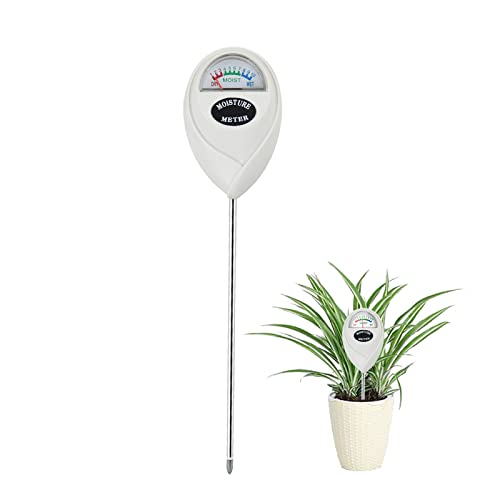
【SAVE YOUR PLANTS】: Over watering can cause problems with your plants or even kill them. This soil moisture meter helps you know the soil is dry, moist or wet.No more over watering!
Pomegranate Pot Watering Guidelines
Proper watering is crucial for the health of pomegranate trees grown in pots, especially in Illinois where indoor conditions can vary. Understanding the specific needs of these trees will help ensure they thrive despite the challenges of indoor environments. This section outlines essential watering guidelines to keep your pomegranate tree healthy and productive.
Follow this guideline for watering:
| Season | Frequency |
|---|---|
| Spring | Every 5-7 days |
| Summer | Every 3-5 days |
| Fall | Every 7-10 days |
| Winter | Every 10-14 days |
Adjust the frequency based on indoor humidity and temperature.
Optimal Sunlight Exposure for Pomegranate Growth
Pomegranate trees thrive in bright sunlight, making proper exposure essential for their growth, especially when cultivated in pots. In Illinois, where weather conditions can vary, understanding the best sunlight requirements will help ensure your pomegranate tree flourishes indoors. This section will explore the optimal sunlight conditions necessary for healthy pomegranate development.
Pomegranate trees require plenty of sunlight to thrive. Ideally, they need at least 6-8 hours of direct sunlight daily. Position your pot near a south-facing window or consider using grow lights if natural light is insufficient.
Pomegranate Tree Light Needs for Indoor Growth
Pomegranate trees thrive in bright light, making proper illumination essential for their indoor growth in Illinois. Understanding their specific light requirements will help ensure healthy foliage and abundant fruit production. This section delves into the optimal lighting conditions needed to support your pomegranate tree’s development indoors.
Consider these options for light:
| Light Source | Duration |
|---|---|
| Direct Sunlight | 6-8 hours |
| Grow Lights | 12-16 hours |
Ensure that the light source is consistent to promote healthy growth.
Fertilization Strategies for Pomegranate Growth
Fertilizing pomegranate trees is essential for promoting healthy growth and fruit production, especially when grown in pots. In Illinois, where climate conditions can vary, understanding the right fertilization strategies will help ensure that your indoor pomegranate thrives. This section outlines effective methods to nourish your pomegranate tree for optimal results.
Regular fertilization supports the growth of your pomegranate tree. Use a balanced, slow-release fertilizer during the growing season to provide essential nutrients.
Pomegranate Fertilization Techniques for Indoor Growth
Fertilizing pomegranate trees grown in pots requires careful attention to their nutritional needs, especially in Illinois’ indoor conditions. Proper fertilization not only supports healthy growth but also enhances fruit production. Understanding the right techniques and timing can make a significant difference in the vitality of your pomegranate tree.
Follow these steps for effective fertilization:
| Type of Fertilizer | Application Frequency |
|---|---|
| Balanced Fertilizer | Every 4-6 weeks |
| Organic Compost | Once every 2 months |
Monitor the tree’s response to fertilization and adjust as needed.
Pomegranate Tree Pruning Methods for Health
Pruning is essential for maintaining the health and productivity of pomegranate trees, especially when grown in pots. In Illinois, where climate conditions can be challenging, understanding the best pruning methods will help ensure your indoor pomegranate thrives. This section explores effective techniques to promote growth and fruiting while maintaining the tree’s shape and vitality.
Pruning is essential for maintaining the shape and health of your pomegranate tree. Remove dead or damaged branches to encourage new growth and improve air circulation.
Pomegranate Tree Pruning Techniques
Pruning is essential for maintaining the health and productivity of pomegranate trees grown in pots, especially in Illinois’ unique climate. Proper techniques not only encourage robust growth but also enhance fruit quality. Understanding when and how to prune can make a significant difference in the overall vitality of your pomegranate tree.
Follow these steps for effective pruning:
Inspect the tree for dead or damaged branches.
Use sharp pruning shears to cut back branches.
Trim back any overly dense areas to improve airflow.
Avoid heavy pruning during the flowering season to prevent loss of fruit.
Pomegranate Tree Pest and Disease Management
Managing pests and diseases is crucial for the health of pomegranate trees, especially when grown in pots in Illinois. Indoor environments can present unique challenges, making it essential to identify common issues and implement effective strategies. This section will explore key pest and disease management techniques to ensure your pomegranate tree thrives indoors.
Being aware of potential problems can help you act quickly. Common issues include pests, diseases, and environmental stress.
Pomegranate Tree Care Challenges
Growing pomegranate trees in pots can be rewarding, but it also presents unique challenges, especially in Illinois. From managing temperature fluctuations to ensuring adequate sunlight, understanding these obstacles is crucial for successful indoor care. This section explores the specific difficulties you may encounter while nurturing your pomegranate tree in a pot.
| Issue | Symptoms | Difficulty |
|---|---|---|
| Aphids | Curling leaves | 2 |
| Root Rot | Yellowing leaves | 4 |
| Leaf Spot | Brown spots | 3 |
Monitor your tree regularly to catch these issues early.
Indoor Care Strategies for Pomegranate Trees
Caring for pomegranate trees indoors in Illinois requires specific strategies to ensure their health and productivity. With the right approach to light, watering, and temperature, you can successfully cultivate these vibrant trees in a pot. This section outlines effective indoor care techniques tailored for pomegranate trees, helping you create an ideal environment for growth.
To ensure your pomegranate tree flourishes indoors, maintain a consistent environment. Avoid sudden temperature changes and drafts. Regularly check for pests and adjust care based on seasonal changes.
This approach will help you cultivate a healthy, productive pomegranate tree in your Illinois home.
