

Ever found yourself ready to tackle those overgrown branches with your pole pruner, only to realize the string is shot? Frustrating, right? But fret not, as we’ve got your back! In this article, we’ll walk you through the simple steps to restring your pole pruner like a pro.
Imagine effortlessly gliding through those unruly branches with a smoothly functioning pole pruner. No more struggles or setbacks – just you, your trusty tool, and a job well done. By the end of this read, you’ll be equipped with the knowledge and confidence to tackle any pruning task that comes your way.
Assessing the Condition of the String
When inspecting the string on your pole pruner, pay attention to its condition before proceeding with the restringing process:
- Frays: Look for any fraying along the length of the string as this can weaken its performance.
- Wear: Check for signs of wear and tear such as thinning or weak spots to determine if the string needs replacement.
- Tangles: Untangle any knots or tangles that may affect the functionality of the pruner during use.
By assessing the condition of the string beforehand, you ensure a smooth and efficient restringing process.
Gathering the Necessary Tools and Materials
Before restringing your pole pruner, make sure to gather all the essential tools and materials. Here’s what you’ll need:
- New string: Ensure you have the correct type and size for your pole pruner.
- Scissors or wire cutters: These will help you cut the string to the required length.
- Protective gloves: To keep your hands safe from any sharp edges while working.
- Owner’s manual: It’s always helpful to refer to the manual for specific instructions.
- Flat work surface: Choose a stable area to work on for easier restringing.
- Safety glasses: Protect your eyes from any potential flying debris.
Make sure to have all these items on hand before you start the restringing process.
Recommended Products

High-quality PR-20 Tree Pruner rope: Measuring 20 feet long, this product is a sturdy tree pruner rope that is compatible with Jameson Fiskars pruners.

【Practical Tree Pruner Rope】This tree pruner cord replacement for Jameson Fiskars Big Mouth Manual Pole Saw and Tree Pruner is a versatile must-have tool that ensures smooth operation when pruning trees
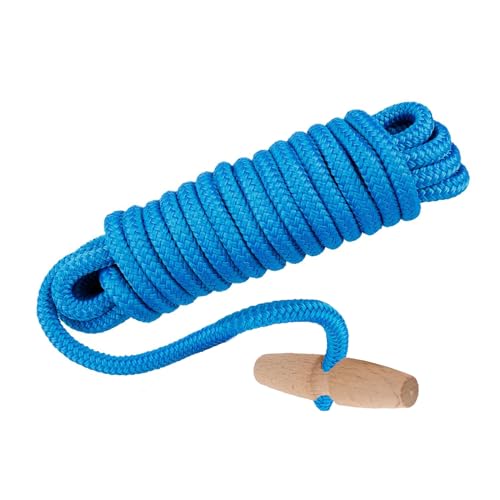
PR-20 Tree Pruner Rope Replacement, for Jameson Fiscar Big Mouth Manual Pole Saw & Tree Pruner,20 feet long with a 5/16 inch diameter(with Wooden Handle)
Removing the Old String
When Removing the Old String from your pole pruner, it’s essential to follow a precise process to ensure a smooth restringing experience. Here are the steps you should take:
- Step 1: Locate the starting point of the old string on the pruner.
- Step 2: Unwind the old string carefully, making sure not to damage any parts of the pruner.
- Step 3: Cut off the old string from the pruner, ensuring it’s completely removed.
- Step 4: Dispose of the old string properly.
Remember, safety first when handling the old string to avoid any accidents or injuries.
Recommended Products

【Durable Tree Pruner Rope】This tree pruner cord replacement for Jameson Fiskars Big Mouth Manual Pole Saw and Tree Pruner is a versatile and essential tool that ensures smooth operation when pruning trees
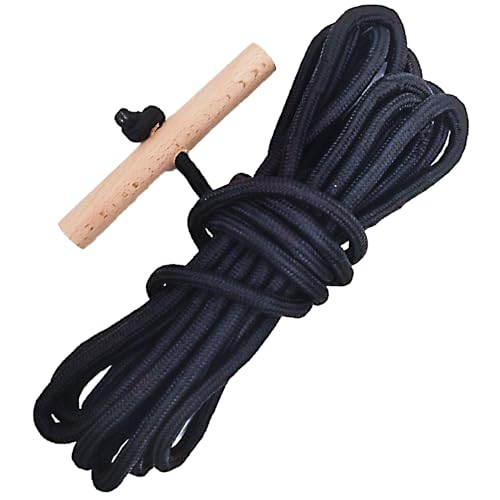
【Easy installation】Made with a flexible and tough material,this easily thread the rope end over pulleys and tie securely to the eyebolt on the Adapter. Route the rope over the upper pulley, under the lower pulley on the adapter and secure the end to the upper pulley, making it ideal for use with pole pruning saws.

Perfect Compatibility: Designed specifically as a Z104 pole pruner replacement spring, fully compatible with Marvin PH4 pruner heads and many other standard pole pruner models. Ensure a precise fit for your gardening tools
Threading the New String into Place
To thread the new string into your pole pruner, follow these steps:
- Step 1: Feed the new string through the hole at the end of the pruner shaft.
- Step 2: Pull enough line through to reach the opposite end of the pole pruner.
- Step 3: Move the string along the grooves, making sure it’s properly seated.
- Step 4: Secure the string in place according to the pruner’s instructions.
Remember, a well-threaded string ensures smooth operation and efficient cutting with your pole pruner.
Recommended Products

BLACK+DECKER replacement spool system eliminates time spent hand winding string trimmers
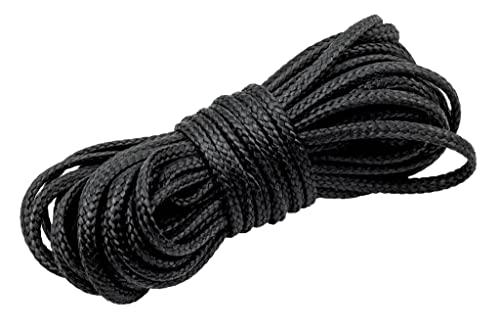
Ultra-Strong & Durable: This premium 3/8" nylon braided pruner cord is engineered to withstand heavy-duty use, resisting abrasion, rot, and UV damage. Its superior strength and durability make it the ideal replacement cord for pole saws, tree pruners, and other high-demand applications.

Compatible with Black&Decker string trimmer models: GH400, GH500,GH600, GH610, GH900, LSTE525, LST300, BESTA510, LCC340C, LST522, ST8600, ST7700, ST7000, ST6600, NST2118, NST2018, NST1118, NST1018, MTE912, MTC220, LSTE525BT, LSTE523, LST420, LST400, LST220, LST201, LST140C, LST136W, LST136B, LST136, LCC222, LCC221, LCC140, GH912, CST2000, CST1200, CST1000, BESTE620, BESTA512. Compatible with Spool model: AF-100, AF-100-3ZP, AF-100-BKP, AF-100-2
Testing the Restring Pole Pruner
To ensure your pole pruner is ready for action, testing the restring is crucial for smooth operation and efficiency. Follow these steps to verify the restringing process:
- Check Tension: Give the string a gentle tug to test its secure attachment.
- Engage the Pruner: Activate the pole pruner to observe how the new string performs during use.
- Cutting Test: Perform a trial cut on a small branch to confirm the string’s proper alignment and adequate cutting power.
Remember, a well-restrung pole pruner guarantees optimal performance and safety during your pruning tasks.
Testing the Restring Pole Pruner
Consistently monitor the restring on your pole pruner to maintain its effectiveness over time. Regular testing ensures you catch and address any issues promptly, keeping your pruning sessions productive and enjoyable.
Conclusion
Ensuring your pole pruner is properly restrung is key to its smooth operation and efficiency. By following the steps outlined in this article, you can test the restring, check the tension, and conduct cutting tests to guarantee optimal performance. Remember, a well-maintained pole pruner not only boosts productivity but also enhances safety during pruning tasks. Keep an eye on the restring regularly to address any issues promptly and maintain effectiveness over time. With these practices in place, you can make the most of your pruning sessions and enjoy a hassle-free experience every time.
Frequently Asked Questions
1. Why is testing the restring on a pole pruner important?
Testing the restring on your pole pruner is crucial to ensure smooth operation and efficiency during pruning tasks. It helps in assessing the tension of the string, observing the pruner’s performance, and conducting a cutting test for optimal functionality and safety.
2. How often should I monitor the restring on my pole pruner?
It is recommended to consistently monitor the restring on your pole pruner to maintain effectiveness over time. Regular monitoring allows you to promptly address any issues that may arise, ensuring your pruner remains in top working condition for enhanced productivity and enjoyable pruning sessions.
