

Have you noticed pesky pests munching on your fruit trees? You’re not alone. Many gardeners face the challenge of keeping their trees healthy and thriving while battling insects and diseases. Neem oil offers a natural solution that can help protect your trees without harmful chemicals.
Key Takeaways
- Understanding Neem Oil: Neem oil, derived from the neem tree’s seeds, serves as a natural pesticide effective against various pests and diseases.
- Application Timing: Apply neem oil during cooler parts of the day, such as early morning or late afternoon, to prevent leaf burn and maximize effectiveness.
- Effective Application Methods: Use methods like spraying, soil drenching, or dusting to ensure the neem oil reaches pests on the leaves and in the soil.
- Dos and Don’ts: Properly dilute neem oil, avoid mixing with chemical pesticides, and test a small area before widespread application to minimize risks.
- Regular Monitoring: Reapply every 7 to 14 days or after heavy rainfall, and monitor your trees to adjust application based on pest activity and weather conditions.
- Signs of Overuse: Be cautious of applying too much neem oil; look for signs of leaf burn, reduced growth, or premature leaf drop as indicators to reassess your usage.
Understanding Neem Oil
Neem oil is extracted from the seeds of the neem tree, native to India and other tropical regions. This natural pesticide has gained popularity for its effectiveness in managing pests and promoting healthier fruit trees.
Recommended Products
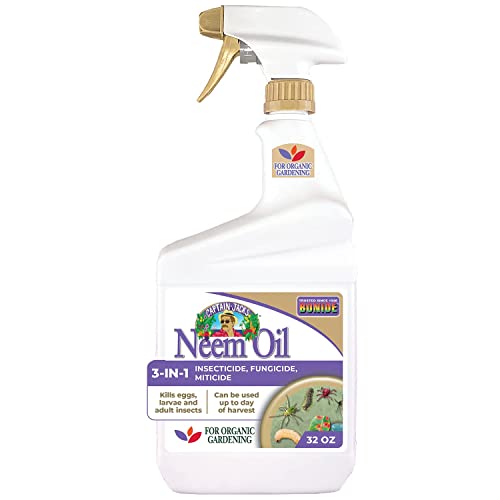
Protect your oasis with 3 garden products in 1 from Captain Jack’s; Bonide Captain Jack’s Ready-to-Use Neem Oil spray for plants is a multi-purpose fungicide, insecticide and miticide for your lawn & garden

FUNGAL DISEASE CONTROL: Prevents and controls black spot on roses, powdery mildew, rust, downy mildew, and other listed fungal diseases when applied on a 7–14 day schedule

Protect your oasis with Captain Jack’s Neem Max Ready-to-Use Spray; this multipurpose product acts as a 4-in-1 insecticide, fungicide, miticide and nematicide
What Is Neem Oil?
Neem oil comes from the fruit and seeds of the neem tree (Azadirachta indica). Its active component, azadirachtin, disrupts the lifecycle of insects and pests. You can find neem oil in various forms, including pure oil, emulsifiable concentrates, and ready-to-use sprays. Each type offers convenience for different applications.
Benefits of Neem Oil for Fruit Trees
Neem oil provides multiple benefits for fruit trees:
- Pest Control: Neem oil effectively manages aphids, spider mites, whiteflies, and other common pests. It interferes with reproduction and feeding, reducing pest populations significantly.
- Disease Prevention: Neem oil helps control fungal diseases like powdery mildew and black spot. It enhances the resistance of your trees against various pathogens.
- Environmentally Friendly: Being a natural product, neem oil poses less risk to beneficial insects like bees when applied correctly. It offers a safe alternative to harsh chemical pesticides.
- Improved Plant Health: Regular application improves the overall health of your trees. Neem oil boosts their resilience to stressors like drought and poor soil conditions.
- Versatile Usage: You can use neem oil on various fruit trees, including apples, peaches, and citrus. Its adaptability makes it a valuable addition to your gardening toolkit.
Preparing for Application
Preparing for the application of neem oil involves a few simple steps to ensure effectiveness and safety.
Recommended Products
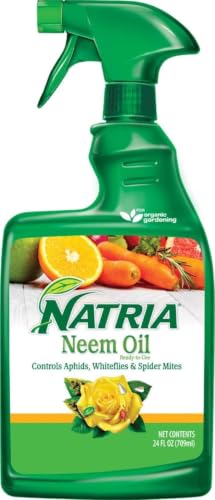
PLANT DISEASE CONTROL: Natria Neem Oil acts as an insecticide and fungicide in one convenient spray; Ready-to-use trigger sprayer requires no mixing

Protect your oasis with Captain Jack’s Neem Max Ready-to-Use Spray; this multipurpose product acts as a 4-in-1 insecticide, fungicide, miticide and nematicide

Protect your oasis with 3 garden products in 1 from Captain Jack’s; Captain Jack’s Ready-to-Use Neem Oil spray for plants is a multi-purpose fungicide, insecticide and miticide for your lawn and garden
Safety Precautions
Follow these safety precautions when applying neem oil to protect yourself and your plants:
- Wear protective clothing, including gloves and a mask, to prevent skin contact and inhalation.
- Avoid applying neem oil during hot, sunny days. This helps prevent leaf burn.
- Keep children and pets away from treated areas until the oil dries.
Tools and Materials Needed
Gather these tools and materials for a successful neem oil application:
- Neem Oil: Use pure, cold-pressed neem oil for best results.
- Sprayer: A garden sprayer or spray bottle works well for even distribution.
- Water: Mix neem oil with water according to the product instructions.
- Measuring Cup: Accurately measure neem oil for proper dilution.
- Stirring Stick: Use a stick or spoon for mixing neem oil with water.
- Protective Gear: Include gloves, a mask, and goggles to ensure safety.
With these preparations in place, you’re set to apply neem oil effectively and safely to your fruit trees.
How to Apply Neem Oil to Fruit Trees
Applying neem oil to fruit trees effectively protects them from pests and diseases. Follow these guidelines for optimal results.
Recommended Products

Control diseases and insects in your garden with Captain Jack’s Fruit Tree Spray Concentrate! Use on a variety of listed fruits, nuts and citrus plants.

Control diseases and insects in your garden with Captain Jack’s Fruit Tree Spray Concentrate! Use on a variety of listed fruits, nuts and citrus plants.

Protect your oasis with Captain Jack’s Neem Max Ready-to-Spray solution; this multipurpose product acts as a 4-in-1 insecticide, fungicide, miticide and nematicide
Choosing the Right Time
Choose early morning or late afternoon for application. Temperatures are cooler, reducing the risk of leaf burn. Avoid windy days; this ensures better coverage and minimizes drift. If rain is forecasted within 24 hours, postpone application to prevent washing away the oil. Ensure trees are dry when applying; moisture can dilute the neem oil.
Methods of Application
Use one of the following methods to apply neem oil effectively:
- Spraying:
- Mix 2 tablespoons of neem oil with 1 gallon of water.
- Add a few drops of mild liquid soap to help the mixture adhere.
- Shake the mixture well in a sprayer.
- Spray uniformly on all parts of the tree, focusing on the leaves’ undersides and branches.
- Soil Drench:
- Mix 1 tablespoon of neem oil with 1 gallon of water.
- Pour the mixture at the base of the tree.
- Soil drenching targets pests in the soil and promotes root uptake.
- Duster:
- Use a duster for powdered neem products.
- Dust the product onto leaves and branches, ensuring even coverage.
Always test a small area before wide application to ensure trees tolerate neem oil. Repeat applications every 7 to 14 days or after heavy rainfall for ongoing protection.
Best Practices for Neem Oil Use
Using neem oil effectively requires understanding specific guidelines. Following the dos and don’ts ensures optimal results while protecting your fruit trees.
Dos and Don’ts
- Do dilute neem oil properly. Mix 2 to 4 tablespoons of neem oil in a gallon of water for the correct concentration.
- Do apply during cooler parts of the day. Morning or late afternoon reduces the risk of leaf burn.
- Do test a small area first. Apply neem oil to a few leaves and wait 24 hours to observe any adverse reactions.
- Don’t apply in direct sunlight. High temperatures can cause the oil to evaporate quickly and harm foliage.
- Don’t mix neem oil with chemical pesticides. Combining products may reduce effectiveness and increase risks to beneficial insects.
- Don’t forget to shake your mixture well. Proper mixing ensures even distribution of neem oil in your solution.
Frequency of Application
Apply neem oil according to the pest pressure and weather conditions.
- Apply every 7 to 14 days. Increase frequency during peak pest seasons for ongoing protection.
- Reapply after heavy rainfall. Rain can wash away neem oil, so a fresh application restores protection.
- Monitor your trees regularly. Check for pest activity and adjust the application schedule as needed.
These practices can enhance the effectiveness of neem oil on your fruit trees, promoting healthy growth and pest management.
Potential Side Effects
Applying neem oil to fruit trees is generally safe, but overuse can lead to some adverse effects. Being aware of these side effects helps ensure healthy growth and effective pest management.
Signs of Overuse
Recognizing the signs of neem oil overuse aids in maintaining your trees’ health. Watch for these symptoms:
- Leaf Burn: Leaves might exhibit a scorched appearance with brown edges, indicating potential damage from excessive neem oil.
- Reduced Growth: Stunted growth can occur if neem oil interferes too much with the tree’s natural processes.
- Falling Leaves: Premature leaf drop can signal stress from over-application, disrupting the tree’s balance.
Address these signs promptly to protect your fruit trees.
Mitigating Risks
Taking preventive measures helps minimize the risks associated with neem oil use. Follow these tips:
- Dilute Properly: Always dilute neem oil according to recommended ratios to avoid concentrated applications.
- Apply Sparingly: Limit applications to every 7 to 14 days, adjusting based on your trees’ needs and weather conditions.
- Test First: Conduct a patch test on a small area before full application. This strategy reveals any potential adverse reactions.
- Monitor Conditions: Avoid applying during extreme temperatures or high winds. Ideal conditions include calm, cool days.
Implementing these strategies ensures your fruit trees thrive while reaping the benefits of neem oil.
Conclusion
Using neem oil on your fruit trees can be a game changer for pest management. By following the tips and methods outlined, you can create a healthier environment for your trees while keeping unwanted pests at bay. Remember to stay mindful of the weather and your application techniques to get the best results.
Regular monitoring and reapplication will help ensure your trees stay strong and productive. With a little patience and care, you’ll be well on your way to enjoying a bountiful harvest. Happy gardening!
Frequently Asked Questions
What is neem oil and how does it help fruit trees?
Neem oil is a natural pesticide derived from the seeds of the neem tree. It contains azadirachtin, which disrupts insect life cycles, making it effective against pests like aphids and spider mites. Additionally, neem oil helps prevent fungal diseases and enhances the resilience of fruit trees, all while being environmentally friendly.
How do you apply neem oil to fruit trees?
To apply neem oil, mix it with water according to the instructions on the product label. Use a sprayer to cover leaves thoroughly during cooler parts of the day, such as early morning or late afternoon, avoiding application on windy days or before rain.
What materials do I need for applying neem oil?
You will need cold-pressed neem oil, water for dilution, a sprayer, a measuring cup, a stirring stick, and protective gear. It’s essential to have everything ready for a safe and effective application.
How often should neem oil be applied to fruit trees?
Neem oil should be reapplied every 7 to 14 days or after heavy rainfall. Regular monitoring of your trees for pest activity is also essential to determine if additional applications are needed.
What precautions should I take when using neem oil?
Wear protective clothing, avoid applying neem oil during hot, sunny days to prevent leaf burn, and conduct patch tests on a small area of the tree first. Always ensure proper dilution before application.
