


Creating your own persimmon tree orchard is totally doable with the right guidance. From picking the best spot to caring for the trees, there are key steps for success.
Whether you're a seasoned gardener or just starting out, the journey of establishing and maintaining a persimmon tree orchard is full of rewarding experiences and the promise of delicious, homegrown fruit.
Key Takeaways
- Select a location with ample sunlight, well-drained soil, and protection from strong winds for optimal persimmon tree growth.
- Conduct soil testing to determine pH level and nutrient content, and incorporate organic matter into the soil for healthy root development.
- Choose persimmon tree varieties based on pollination requirements, fruit size, pruning techniques, and disease resistance. Popular varieties include Fuyu, Hachiya, Tamopan, Great Wall, and Chocolate.
- Proper care and maintenance of persimmon trees include pruning during the dormant season, promoting air circulation and sunlight penetration, implementing effective pest control strategies, and monitoring for signs of infestations.
Selecting the Right Location
When establishing a persimmon tree orchard, the first crucial step is to select a location that offers ample sunlight, well-drained soil, and protection from strong winds. Conducting soil testing is essential to determine the pH level and nutrient content, ensuring the soil is suitable for persimmon trees. This step helps in identifying any necessary amendments to optimize the soil for persimmon cultivation.
Additionally, considering the installation of irrigation systems is vital to provide consistent water supply, especially during dry spells. Well-drained soil is crucial to prevent waterlogging, which can be detrimental to persimmon trees. Furthermore, protection from strong winds is necessary to prevent tree damage and fruit loss.
Selecting a location with these factors in mind sets the foundation for a thriving persimmon tree orchard.
Choosing the Best Persimmon Tree Varieties
To ensure a successful persimmon tree orchard, you will need to carefully select the best persimmon tree varieties that are well-suited to your specific climate and growing conditions. When choosing persimmon tree varieties, consider factors such as pollination requirements, fruit size, pruning techniques, and disease resistance. Here are some popular persimmon tree varieties to consider:
| Variety | Pollination | Fruit Size | Disease Resistance |
|---|---|---|---|
| Fuyu | Self-fruitful | Medium | Good |
| Hachiya | Astringent | Large | Moderate |
| Tamopan | Astringent | Medium | Excellent |
| Great Wall | Self-fruitful | Large | Good |
| Chocolate | Astringent | Small | Excellent |
Carefully selecting the right persimmon tree varieties will contribute to the success of your orchard.
Preparing the Soil and Planting
Start by preparing the soil for planting your persimmon trees, ensuring it's well-drained and rich in organic matter to provide the ideal growing conditions for a successful orchard. Here's what you need to do:
- Soil Testing: Conduct a soil test to determine its pH and nutrient levels. Adjust the soil as needed to create a balanced environment for your persimmon trees.
- Organic Matter Addition: Incorporate compost or well-rotted manure into the soil to boost its organic matter content, which is essential for healthy tree growth.
- Irrigation Planning: Consider the water requirements of persimmon trees and plan for adequate irrigation, especially during the establishment phase.
- Planting: When planting the trees, ensure they're placed at the correct depth and spacing to promote healthy root development and optimal growth.
Recommended Products
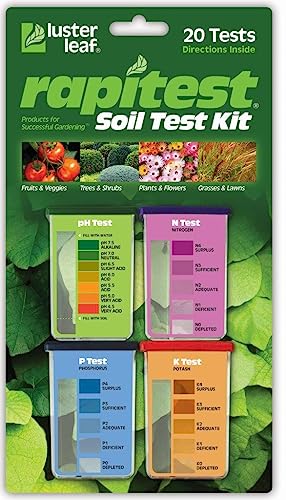
Quick, at home results for Soil pH, Nitrogen, Phosphorous and Potash Innovative and inexpensive soil test kit features an easy-to-use capsule system and patented color comparators

KNOW BEFORE YOU GROW | Grow the healthiest, sustainable lawn and garden with the most accurate and easy to use professional soil test kit on the market

Accurate Soil pH Testing: Dewildetradingco Soil pH Test Strips offer measurements of soil pH levels (pH 3.5-9). As an essential tool for every gardener and grower, these test strips help determine the optimal pH for various plants, such as outdoor plants, indoor plants, gardens, grass lawns, fruit trees, flowers, vegetables, and forest shrubs.
Proper Care and Maintenance
For successful growth and fruit production, proper care and maintenance of your persimmon trees are essential. Pruning techniques are crucial for shaping the tree, removing dead or diseased branches, and promoting better air circulation and sunlight penetration. Prune your persimmon trees during the dormant season, typically in late winter or early spring, to encourage strong, healthy growth. When pruning, make clean cuts at a 45-degree angle just above a bud or lateral branch.
Additionally, implementing effective pest control strategies is essential to protect your persimmon trees from common pests such as aphids, mites, and scale insects. Consider using natural predators, horticultural oils, or insecticidal soaps to combat these pests while minimizing harm to beneficial insects. Regularly monitoring your trees for signs of pest infestations and addressing them promptly will help maintain the health and productivity of your persimmon orchard.
Harvesting and Storage
When it's time to harvest your persimmons, carefully inspect each fruit for its color, texture, and firmness to determine its ripeness. Look for a deep orange color and slightly soft texture, indicating that the fruit is ready to be picked.
Here are some essential tips for harvesting and storing your persimmons:
- Gentle Handling: Handle the fruits with care to avoid bruising or damaging them.
- Storage: Store ripe persimmons in the refrigerator to extend their shelf life. Alternatively, you can freeze them for later use in recipes like smoothies or baked goods.
- Pruning: After harvesting, consider pruning your persimmon trees to maintain their shape and encourage new growth for the next season.
- Pollination: Ensure proper pollination for a bountiful harvest by attracting pollinators like bees and butterflies to your orchard.
Conclusion
Get ready to reap the rewards of your efforts as you embark on this journey of creating a persimmon tree orchard.
With a sunny location, the right tree varieties, well-prepared soil, and diligent care, your orchard will soon yield an abundance of delicious persimmons.
Embrace the satisfaction of nurturing your orchard and look forward to the joy of a successful harvest.
Happy planting!
