

Have you ever watched a ripe fruit tumble from a tree and thought, “I wish I could catch that”? It’s a common sight, especially during harvest season, and it can be frustrating to see delicious fruit hit the ground. But with the right techniques, you can turn this challenge into a fun and rewarding experience.
Key Takeaways
- Essential Tools: Utilize catching mats and fruit picking poles to enhance your fruit-catching experience and protect the fruit from damage. Safety gear is also crucial to prevent injuries.
- Timing is Key: Catch fruit just after it falls by observing ripeness indicators and natural movement; early morning and late afternoon offer the best visibility.
- Positioning: Stand directly beneath tree branches and adjust your stance for optimal angles. Use catching mats for maximum coverage during harvest.
- Tailored Techniques: Adapt your catching strategies for different fruits—pay attention to signs of ripeness for apples, pears, and cherries to increase your success rate.
- Maintenance Matters: Regularly clean up fallen fruit and monitor for pests in your catching area to ensure a safe and productive harvesting environment.
Tools and Equipment Needed
To catch falling fruit effectively, you need several essential tools and equipment. These items enhance your harvesting experience, making it safer and more efficient.
Recommended Products

Catch Flying Insects 24/7: This plug-in flying insect trap uses blue & UV light to attract and catch house flies, fruit flies, gnats, and flying pests. Its continuous attraction helps catch insects day and night for everyday indoor flying pest control.

SUPER STICKY. Our fly trap stick is made with extremely sticky glue that will trap virtually all bugs, making it a great gnat trap for house indoor and ideal fly traps outdoor hanging trap.

Sticky Fly Traps for Indoor: Fly strips is made of an integrated plastic tube that is sturdy and not easy to disperse. Fruit fly traps is made of ultra-thick glue and waterproof paper and the paper is not easy to tear. Each tube includes a hanging rope and thumbtacks for easy installation anywhere. The fly paper uses a sticky ribbon to attract and trap flies and other aerial insects. Safe and durable.
Catching Mats
Catching mats provide a soft landing for fruit, reducing bruising and waste. Look for mats made from durable materials that can withstand outdoor conditions. A size of at least 6 by 6 feet allows ample space for multiple fruits. Position the mats directly under the tree’s branches to ensure maximum coverage. Choose bright colors to make spotting the fruit easier.
Fruit Picking Poles
Fruit picking poles extend your reach, allowing you to catch unreachable fruit. Opt for poles that range from 8 to 12 feet in length, depending on your tree height. Some poles come with a fruit-catching bag at the end, which secures the fruit as it falls. These poles often have lightweight materials like aluminum, making them easier to handle. Always ensure the pole is sturdy to prevent breakage.
Safety Gear
Safety gear protects you while catching fruit. Use gloves to avoid injuries from sharp branches or thorns. Wear safety glasses to shield your eyes from falling debris. Strong footwear, like boots with non-slip soles, prevents slips on wet ground. A hard hat can be beneficial, especially if you’re working under tall trees. Prioritize your safety while enjoying this rewarding activity.
Techniques for Catching Fruit
Catching falling fruit can be both fun and productive. You can enhance your fruit-catching experience through specific techniques.
Recommended Products

EXCEPTIONAL DURABILITY - Our fruit collecting net is constructed from high-quality PET material, providing outstanding resistance to aging, corrosion, and oxidation. This ensures that the net can withstand various environmental conditions, making it a reliable choice for all your harvesting needs

Made from commercial-grade durable stainless steel, ensuring long-lasting use without bending or breaking.

Catch Fallen Fruit with Less Bending - Place this fruit catcher for trees under orchard or backyard trees to collect olives, walnuts, pecans, chestnuts, plums, pears, and other fallen harvests before they scatter across the ground.
Timing Your Catch
Timing your catch plays a crucial role in efficiency. Catch fruit just after it falls. Watch the tree closely to identify signs of ripeness. Listen for rustling leaves; this may signal fruit detaching. Be ready to react instantly. Early morning or late afternoon often provides better visibility and less wind interference, aiding your catching.
Positioning Yourself
Positioning yourself correctly increases your chances of success. Stand directly beneath the tree, aligning yourself with likely fall paths of the fruit. Use a catching mat for maximum coverage; it catches fruit before it hits the ground. Ensure the mat is spread wide enough to capture all falling fruit. Adjust your stance based on the tree’s height; a more elevated position offers better angles. Move quickly, staying flexible and ready to shift spots as needed.
Best Practices for Different Types of Fruit
Catch falling fruit effectively using tailored strategies for each type. Here’s how to catch apples, pears, and cherries.
Recommended Products
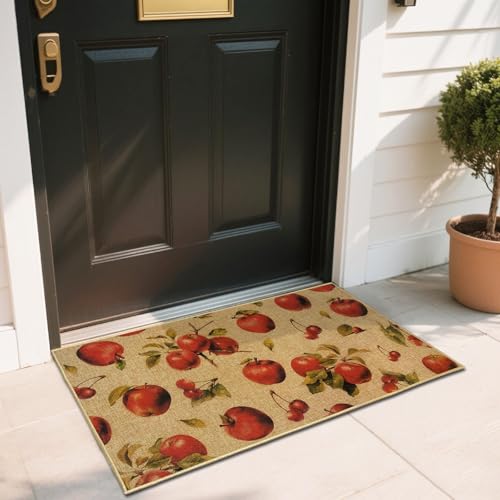
VINTAGE DESIGN: Beautiful retro-style apples and cherry vintage apple doormat featuring red apples, cherries, and green leaves pattern on a natural linen background, perfect for adding a charming rustic touch to your home as housewarming gift

【Doormat Size】: Our red cherry welcome doormat summer fruit floor mat cute cherries carpet rug, measures 17x30 Inches (43x76cm). The lovely and rustic cherry pattern design will liven up your room and create a warm and romantic atmosphere for your home.

【MATERIA】- Our fruit rug is made of high-quality microfiber that is soft and comfortable to touch. Great water absorption, good breathability, and durable woven rug.
Apples
- Timing: Catch apples when they fall. Look for them to drop suddenly, often after a light breeze or when they’re fully ripe.
- Positioning: Stand beneath the tree’s canopy. This increases your chances of catching apples as they fall.
- Catchers: Use a large catching mat under the tree. A mat helps soften the impact and reduces bruising.
- Tools: Consider using a fruit picker with a basket. This extends your reach and allows for catching apples higher in the tree.
- Observation: Check for signs of ripeness. Apples often change color when they’re ready to fall.
Pears
- Monitoring: Pears tend to drop when ripe. Look for a slight softness near the stem.
- Ground Setup: Lay down a breathable catching mat to help collect fallen pears. This prevents rotting and preserves quality.
- Positioning: Stand a few feet from the trunk for better visibility. Pears can fall abruptly in clusters.
- Catching Technique: Gently guide falling pears into the mat. Quick reflexes help.
- Harvesting: If reachable, use a fruit picker to snag more pears from higher branches.
- Timing: Catch cherries after they rain down from the tree. They often fall in groups, so stay alert.
- Ground Preparation: Set up a lightweight catching mat. Cherries bruise easily, so having a protective layer helps.
- Height Adjustment: Use a long fruit picker for hard-to-reach cherries. This technique reduces fruit loss and enhances safety.
- Catch Method: Position yourself directly under cherry clusters. Anticipate the dropping motion for better catching.
- Harvesting Moment: Gather cherries in the cool morning or late afternoon. These times yield better visibility and help avoid harsh sunlight.
Maintenance of Your Catching Area
Maintaining your catching area is essential for a successful and efficient fruit harvesting experience. Regular upkeep not only enhances safety but also ensures maximum fruit yield.
Cleaning Up Fallen Fruit
Cleaning up fallen fruit quickly prevents waste and encourages better fruits to remain on the tree. Start by gathering any fruit that has fallen within your catching area. Use a sturdy rake or your hands to collect them efficiently. Dispose of any bruised or rotten fruit immediately to avoid attracting pests. For additional cleanliness, you can also use a compost bin to recycle the good fruit that isn’t suitable for eating but can enrich your garden soil.
Preventing Pests
Preventing pests is crucial for a healthy fruit-catching area. Regularly inspect your trees and the surrounding ground for signs of pests, such as fruit fly larvae or chew marks on leaves. Utilizing natural pest deterrents like neem oil or insecticidal soap can safeguard your fruit. Additionally, setting up traps around the catching area helps monitor and control pest populations. Promoting beneficial insects, like ladybugs, can also assist in keeping your fruit trees pest-free, enhancing overall productivity during harvest.
Conclusion
Catching fruit as it falls can turn a simple harvest into a delightful experience. With the right tools and techniques you can make the most of your time under the trees. Remember to stay alert and position yourself wisely to catch the fruit just as it drops.
Maintaining your catching area is just as important. A clean and safe space not only enhances your efficiency but also promotes healthier trees. Enjoy the process and savor the fruits of your labor. Happy harvesting!
Frequently Asked Questions
What should I do when ripe fruit falls from trees during harvest season?
The article suggests transforming this frustrating experience into an enjoyable activity. Use the right techniques, such as timing your catch and having the proper tools, to make fruit catching fun and productive.
What tools are essential for effective fruit catching?
Key tools include catching mats to minimize bruising, fruit picking poles for hard-to-reach fruit, and safety gear to protect against injuries. Durable materials for mats and appropriate lengths for poles are crucial for successful harvesting.
How can I tell when fruit is ripe for catching?
Look for specific signs of ripeness, which may vary by fruit type. Generally, fruit that easily drops is ripe. Catching them early in the morning or late in the afternoon can also improve visibility and success.
What are some best practices for catching different fruit types?
For apples, use a large catching mat and a fruit picker. For pears, use a breathable mat and monitor for ripeness. When catching cherries, set up a lightweight mat and position yourself under clusters to anticipate their fall.
How can I maintain my fruit-catching area for better results?
Regular upkeep is essential. Clean up fallen fruit promptly to prevent waste and pests. Use a sturdy rake or your hands to collect spoiled fruit and inspect your trees frequently to deter pests and promote a productive environment.
