

Have you ever admired the stunning purple leaves of a plum tree and wondered if it produces fruit? You’re not alone. Many people love the beauty these trees bring to their gardens but are curious about their fruit-bearing potential.
In this article, you’ll discover whether purple leaf plum trees actually bear fruit and what you can expect if you decide to plant one. Understanding their fruiting habits can help you make informed choices for your landscape. Whether you’re looking to enhance your garden’s aesthetic or hoping for a tasty harvest, you’ll find valuable insights here.
Key Takeaways
- Appearance and Characteristics: Purple leaf plum trees (Prunus cerasifera) are appreciated for their striking deep purple foliage, small clusters of pink or white flowers, and smooth reddish-brown bark, providing year-round visual appeal.
- Fruit Production: While these trees can bear fruit, the small reddish-purple fruit is often tart and mainly enjoyed by wildlife rather than humans, making it less desirable for harvesting.
- Ideal Growing Conditions: To thrive, purple leaf plum trees require well-drained, loamy soil with a pH of 6.0 to 7.0 and prefer full sunlight, ideally receiving six to eight hours of direct sun daily.
- Benefits of Planting: These trees offer aesthetic value, attract wildlife like birds and pollinators, provide ample shade, and are relatively low maintenance, making them perfect for various landscapes.
- Maintenance Tips: Regular pruning enhances tree health and appearance, while cross-pollination with other plum varieties can improve fruit yield.
Overview of Purple Leaf Plum Trees
Purple leaf plum trees, scientifically known as Prunus cerasifera, are popular choices for landscaping due to their vibrant foliage and stunning spring blooms. These deciduous trees can reach heights of 20 to 30 feet and often feature a wide, rounded canopy.
Recommended Products

For sale is one Purple Leaf Sand Cherry that is approximately 6-12" tall

For sale is one Chickasaw Plum plant that is approximately 6-12" tall

This Royal Purple Smoke Tree comes established in a 1 Gallon pot
Appearance and Characteristics
- Foliage: The deep purple leaves emerge in spring, offering a striking contrast against the pink or white flowers.
- Flowers: Small flowers bloom in clusters, typically appearing before the leaves. These create a beautiful display in early spring.
- Bark: Smooth, reddish-brown bark adds to the tree’s visual appeal throughout the year.
Growing Conditions
Purple leaf plum trees thrive in well-drained, loamy soil and prefer full sunlight. They can tolerate a range of soil types but perform best with a pH level between 6.0 and 7.0. Regular watering during dry spells promotes healthy growth.
Common Uses
- Ornamental Value: Use purple leaf plum trees as focal points or accents in gardens and landscapes.
- Shade Trees: Their wide canopy provides pleasant shade in residential areas.
- Wildlife Habitat: The trees attract pollinators and birds, contributing positively to the local ecosystem.
- Pruning: Regularly prune to maintain shape and encourage airflow, which promotes overall tree health.
- Fertilization: Apply a balanced fertilizer in early spring to support growth and flowering.
- Pest Control: Monitor for common pests like aphids or plum curculio. Treat infestations promptly to prevent damage.
These trees can produce small fruit, but the fruit often lacks sweetness and flavor. While they might be suitable for wildlife, you may not find them desirable for harvesting.
Characteristics of Purple Leaf Plum Trees
Purple leaf plum trees showcase distinctive features that appeal to both gardeners and wildlife. Understanding these characteristics helps you appreciate their beauty and utility in your landscape.
Recommended Products
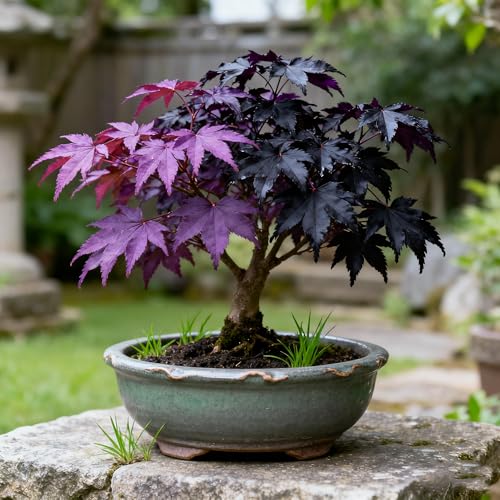
30 Premium Purple Maple Seeds: Grow these stunning ornamental trees with our exclusive collection of 30 purple maple seeds. Create a dramatic focal point in your landscape with these beautiful trees known for their unique purple foliage.

For sale is an American Plum tree that is approximately 6-12 inches tall

For sale are 2 Chickasaw Plum plants that are approximately 6-12" tall
Foliage and Color
Foliage stands out with deep burgundy or purple leaves, providing a striking contrast against other plants. Leaf colors change with seasons, becoming more vibrant in spring and maintaining richness throughout summer. In the fall, foliage often turns to shades of red and yellow, adding further interest to your garden. The small clusters of pink or white flowers bloom in early spring, creating an eye-catching display that attracts pollinators.
Growth Habits
Growth habits of purple leaf plum trees include a medium growth rate, typically reaching heights of 20 to 30 feet. With a spread of about 15 to 25 feet, they create ample shade. These trees thrive in full sun but tolerate some shade, making them versatile for various garden settings. Their trunks develop smooth, reddish-brown bark that peels with age, adding texture. Regular pruning encourages a more attractive shape and enhances air circulation, promoting healthier growth.
Do Purple Leaf Plum Trees Bear Fruit?
Purple leaf plum trees can produce fruit, but it’s often not the best choice for human consumption. These trees bear small, round, reddish-purple fruit. The fruit typically measures about 1 inch in diameter and has a tart flavor, making it more appealing to birds and wildlife than to people.
Recommended Products

Versatile Fruit Use: The plums produced can be eaten fresh as a snack and are well-suited for home kitchen projects like creating preserves, jams, and baked goods.

Plum fruit tree seeds are the starting point for growing your own plum trees, offering the opportunity to cultivate fresh, flavorful fruit in your garden or orchard.

Suitable for various USDA Hardiness Zones (3-8), making it adaptable to different climates and regions.
Types of Fruit Produced
The fruit of purple leaf plum trees is known for its small, edible characteristics. It contains a single pit surrounded by juicy flesh. The fruit can appeal to wildlife, including birds and small mammals, that readily consume it. Although the fruit is technically edible, its lack of sweetness may deter some people from harvesting it.
Fruit Production Conditions
For optimal fruit production, specific conditions must be met. Purple leaf plum trees thrive in well-drained, loamy soil, ideally with a pH level between 6.0 and 7.0. Full sunlight is essential; aim for six to eight hours of direct sun daily. Regular watering and proper fertilization support healthy tree growth and increase fruit yield.
Additionally, cross-pollination with other plum varieties can enhance fruit production. Set multiple trees within proximity to increase the likelihood of successful pollination and maximize fruiting potential.
Benefits of Planting Purple Leaf Plum Trees
Planting purple leaf plum trees offers various benefits, making them an excellent choice for gardens and landscapes.
Aesthetic Appeal
- Colorful Foliage: The deep purple leaves provide a striking contrast against green plants and flowers.
- Beautiful Blooms: In spring, clusters of pink or white flowers bloom, adding visual interest.
- Seasonal Changes: Leaves shift to shades of red and yellow in fall, enhancing your landscape year-round.
Attracting Wildlife
- Bird Sanctuary: The small fruit appeals to birds, attracting them to your yard.
- Pollinator Friendly: Flowers attract various pollinators, supporting local ecosystems.
Functional Uses
- Shade Provider: The broad canopy offers ample shade, making outdoor spaces more comfortable.
- Ornamental Focus: Use them as focal points in landscaping without the need for frequent maintenance.
Low Maintenance
- Easy Growth: These trees thrive in various soil types and grow well in full sun with minimal care.
- Pest Resistance: Generally resistant to pests, reducing the need for chemical treatments.
- Cross-Pollination: Planting multiple trees enhances fruit production.
- Soil Requirements: Ensure well-drained, loamy soil with a pH of 6.0 to 7.0 for best results.
Incorporating purple leaf plum trees into your garden not only beautifies your space but also supports local wildlife and provides functional benefits.
Conclusion
Purple leaf plum trees can indeed bear fruit but it’s not the main reason to plant them. Their stunning foliage and beautiful blooms make them a standout choice for any garden. While the small, tart fruit might not be your ideal snack it’s a great treat for local wildlife.
If you’re looking to enhance your landscape with a tree that provides both beauty and function these trees are a fantastic option. With proper care and conditions you can enjoy their vibrant colors throughout the seasons while also supporting the environment around you. So whether you’re after aesthetic appeal or a little wildlife attraction purple leaf plum trees are definitely worth considering.
Frequently Asked Questions
Do purple leaf plum trees produce fruit?
Yes, purple leaf plum trees (Prunus cerasifera) can produce small, round, reddish-purple fruit, typically about 1 inch in diameter. However, the fruit is often tart and not particularly sweet, making it more appealing to birds and wildlife than to humans.
How tall do purple leaf plum trees grow?
Purple leaf plum trees can reach heights of 20 to 30 feet. They also have a spread of about 15 to 25 feet, providing ample shade and a striking presence in your landscape.
What kind of soil do these trees prefer?
Purple leaf plum trees thrive in well-drained, loamy soil. Their optimal pH level is between 6.0 and 7.0, allowing for healthy growth and improved fruit production when properly maintained.
Are purple leaf plum trees good for landscaping?
Yes, these trees are popular in landscaping due to their vibrant purple leaves, beautiful spring flowers, and seasonal color changes. They serve as attractive ornamental focal points and provide shade.
How can I enhance fruit production on my purple leaf plum tree?
To enhance fruit production, ensure the tree receives full sunlight (six to eight hours daily), provide regular watering and fertilization, and consider planting multiple trees nearby for cross-pollination.
