

Growing apricot trees in New York City requires careful attention to urban conditions. Selecting the right variety and implementing effective care techniques can lead to a successful harvest even in a limited space.
Choose the Right Apricot Variety
Selecting the appropriate apricot variety is crucial for successful cultivation in New York City’s unique urban environment. Factors such as climate adaptability, disease resistance, and fruit quality play significant roles in ensuring your apricot trees thrive amidst the challenges of city living. Understanding these aspects will help you make an informed choice for your backyard garden.
Selecting an appropriate apricot variety is crucial for success in urban environments. Some varieties thrive better in cooler climates, while others may struggle. Look for varieties like Tilton or Blenheim, which are known for their adaptability and flavor.
Consider the following factors when choosing a variety:
Chill hours required
Disease resistance
Size and growth habit
| Variety | Chill Hours | Growth Habit | Flavor Profile |
|---|---|---|---|
| Tilton | 700 | Medium | Sweet |
| Blenheim | 600 | Compact | Rich |
| Katy | 300 | Dwarf | Sweet |
Urban Garden Space for Apricot Trees
Creating an optimal environment for your apricot tree involves assessing your garden space. Ensure you have a location that receives full sun for at least 6-8 hours daily. Urban gardens often have limited soil quality, so consider using raised beds or large containers.
Key preparation steps include:
Testing soil pH (ideal is 6.0-7.0)
Amending soil with organic matter
Ensuring good drainage
Soil Enhancements for Urban Apricot Growth
Growing apricot trees in New York City presents unique challenges, particularly when it comes to soil quality. Urban environments often lack the rich, loamy soil ideal for fruit trees. This section explores essential soil enhancements that can help urban gardeners create a thriving environment for apricot trees in their backyards.
Improving soil quality is essential for healthy growth. Incorporate the following amendments to enhance nutrient availability:
Compost for organic matter
Bone meal for phosphorus
Wood ash for potassium
Urban Apricot Tree Watering Strategies
Successfully growing apricot trees in New York City’s unique urban environment requires careful attention to watering practices. Given the challenges of limited space and varying soil conditions, implementing effective watering strategies is essential for promoting healthy growth and fruit production. This section explores practical techniques tailored for urban gardeners to ensure their apricot trees thrive.
Proper watering and fertilization can significantly impact the health of your apricot tree. Urban environments can lead to rapid evaporation, so consistent moisture is key. Use a drip irrigation system for efficiency.
Fertilization should occur in early spring. Use a balanced fertilizer with a ratio like 10-10-10 to support growth. Avoid over-fertilizing, which can lead to excessive foliage at the expense of fruit production.
| Fertilizer Type | Application Rate | Frequency |
|---|---|---|
| Balanced | 1 lb per tree | Early Spring |
| Organic | 2-3 inches mulch | Annually |
Recommended Products

NO MORE HARD INSTALLATION - SET UP IN MINUTES. Tired of struggling with stiff barbed fittings? This drip irrigation system features quick-connect fittings that let you push, lock, and secure tubing effortlessly. No tools, no leaks, just a smooth setup experience. Enjoy a frustration-free installation and get your garden watering system running in minutes.
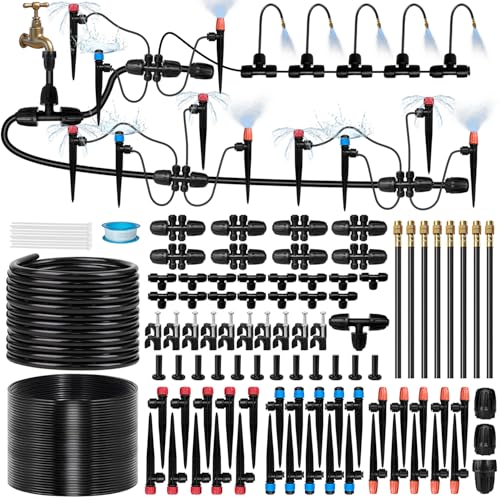
【Upgraded Tube Design & Water Saving】 Our garden watering system is upgraded to 1/2” diameter to support high water pressure. The 1/2” tee connector allows seamless splitting into 2 independent zones for customized watering schedules. By delivering moisture directly to root zones, this drip Irrigation system significantly reduces evaporation and runoff—saving more water compared to conventional sprinklers while eliminating the need for manual watering.

Be a Gardening Master with the help of our superior and complete Drip Irrigation Kit: 50ft flexible & durable PVC 5/16" Irrigation Tubing + 50ft 1/4" Drip Distribution Tubing + 2 x Female Thread Water Connectors for 5/16" Mainline + 20 Barbed Drip Emitters Stream + 10 Barbed Drip Emitters Vortex + 4 x 1-Way, 6 x 2-Way and 2 x 4-Way Barbed Splitters from 5/16" to 1/4" + 5 x 1/4" Tubing Tee Splitters + 2 x 5/16" Mainline End Plugs + 5 x 1/4" Distribution Tubing End Plugs
Urban Pest Control for Apricot Trees
Managing pests is crucial for the health of apricot trees, especially in an urban environment like New York City. With limited space and unique challenges, effective pest control strategies can help ensure a fruitful harvest. This section explores practical methods to protect your apricot trees from common urban pests.
Urban gardens can attract various pests and diseases that threaten apricot trees. Regular monitoring is essential to catch issues early. Common pests include aphids and spider mites, while diseases like brown rot can affect fruit quality.
Implement the following management strategies:
Use insecticidal soap for pests
Prune to improve air circulation
Remove fallen fruit to prevent disease spread
Recommended Products

Control diseases and insects in your garden with Captain Jack’s Fruit Tree Spray Concentrate! Use on a variety of listed fruits, nuts and citrus plants.

Control diseases and insects in your garden with Captain Jack’s Fruit Tree Spray Concentrate! Use on a variety of listed fruits, nuts and citrus plants.

3-IN-1 GARDEN SPRAY - Earth’s Ally 3-in-1 Plant Spray is an insecticide, miticide and fungicide. The houseplant pest spray effectively kills and controls soft-bodied insects and common plant diseases with a synergistic blend of essential oils.
Organic Solutions for Pest Management
Managing pests organically is essential for maintaining healthy apricot trees in New York City’s urban environment. This section explores effective, eco-friendly strategies to protect your trees from common pests while promoting a sustainable gardening approach. By using natural methods, you can ensure a thriving apricot harvest without relying on harmful chemicals.
Utilizing organic methods can help maintain a healthy ecosystem in your garden. Consider these options:
Neem oil for insect control
Companion planting with marigolds
Diatomaceous earth for crawling insects
Pruning Techniques for Urban Apricot Trees
Pruning is essential for maintaining healthy apricot trees, especially in the unique conditions of New York City’s urban environment. Proper techniques can help promote better fruit production and manage tree size, ensuring that these trees thrive amidst city challenges. Understanding the best practices for pruning will enhance your backyard gardening experience and yield a bountiful harvest.
Pruning your apricot tree is vital for maintaining shape and promoting fruit production. Conduct pruning during the dormant season to minimize stress. Focus on removing dead or crossing branches and shaping the tree for better sunlight penetration.
Harvesting typically occurs in late summer when the fruit is fully colored and slightly soft to the touch. Handle the fruit gently to avoid bruising.
| Pruning Time | Technique | Harvest Time |
|---|---|---|
| Dormant | Remove dead wood | Late Summer |
| Post-Harvest | Thin out branches |
Urban Microclimate Strategies for Apricot Trees
Urban environments present unique challenges for growing apricot trees, particularly in a bustling city like New York. Understanding the microclimate of your backyard can significantly enhance the success of your apricot cultivation. By implementing specific strategies tailored to urban conditions, you can create an optimal environment for these trees to thrive amidst the concrete landscape.
Urban environments can create unique challenges for growing apricot trees. Utilize structures like walls or fences to create a warmer microclimate. This can help extend the growing season and improve fruit quality.
Consider planting near heat-absorbing surfaces. This can enhance growth and fruit set.
Mulching Techniques for Soil Temperature Control
Mulching is a vital practice for maintaining optimal soil temperature, especially for apricot trees in the urban environment of New York City. By selecting the right materials and applying them effectively, gardeners can enhance moisture retention and protect roots from extreme temperature fluctuations. This section explores various mulching techniques tailored for the unique challenges of city gardening.
Applying mulch can help regulate soil temperature and retain moisture. Use organic materials like straw or wood chips to create a protective layer around the base of the tree. This practice also suppresses weeds, allowing for better nutrient uptake.
Identifying Apricot Tree Stress Indicators
Understanding the signs of stress in apricot trees is crucial for maintaining their health, especially in an urban environment like New York City. This section will explore the various indicators that signal when your apricot tree may be struggling, allowing you to take timely action to ensure its vitality and productivity.
Urban conditions can lead to environmental stressors that affect apricot trees. Monitor for signs of stress such as leaf drop or discoloration. Addressing issues promptly can prevent long-term damage.
Always be vigilant for changes in your tree’s health.
Urban Apricot Tree Care Essentials
Caring for apricot trees in an urban environment like New York City requires special attention to their unique needs. From selecting the right varieties to managing soil and watering, understanding these essentials can help ensure healthy growth and fruitful harvests. This section outlines key practices for successfully nurturing apricot trees in your urban backyard.
Growing apricot trees in New York City requires dedication and attention to detail. Focus on selecting the right variety, preparing your space, and implementing effective care practices. Regular monitoring and adjustments will lead to a fruitful harvest.
