

Have you ever wondered how to properly prune your grapefruit tree in Florida to ensure a bountiful harvest? Picture this: it’s a sunny day in your backyard, and your grapefruit tree is in need of some care to thrive. Knowing the right pruning techniques can make all the difference in the health and productivity of your citrus tree.
In this article, you’ll discover practical tips and step-by-step guidance on how to prune your grapefruit tree like a pro. By learning the art of pruning, you’ll not only promote better fruit production but also improve the overall well-being of your tree. Get ready to elevate your gardening skills and enjoy the fruits of your labor with a flourishing grapefruit tree in your Florida garden.
Key Takeaways
- Pruning a grapefruit tree in Florida is crucial for enhancing fruit production, improving tree health, shaping tree structure, preventing diseases, and prolonging the tree’s lifespan.
- The best times to prune a grapefruit tree in Florida are winter months for promoting new growth, late summer for maintaining size and shape, and post-harvest for preparing for the next growing season.
- Essential tools for pruning a grapefruit tree include pruning shears, loppers, hand saw, safety gear, disinfectant, pruning paint, and a ladder.
- Following a step-by-step guide to pruning, including preparation, timing, inspection, mindful cuts, post-pruning care, regular maintenance, and professional assistance, is vital for the tree’s health.
- Tips for maintaining a healthy grapefruit tree after pruning include regular inspection, mulching, proper watering, strategic fertilization, monitoring sunlight exposure, regular pruning, and seeking professional help when needed.
Understanding the Importance of Pruning a Grapefruit Tree
Pruning your grapefruit tree is crucial for its health and productivity. By trimming back branches strategically, you help the tree focus its energy on producing quality fruit. Proper pruning also allows for better airflow and sunlight penetration, reducing the risk of disease. When done right, pruning can lead to a bountiful harvest of delicious grapefruits.
Here’s why pruning is so essential for your grapefruit tree:
- Enhanced Fruit Production: Pruning promotes new growth and strengthens existing branches, leading to increased fruit production. It helps the tree allocate nutrients more efficiently, resulting in larger and juicier grapefruits.
- Improved Tree Health: Trimming dead or diseased branches prevents the spread of infections and enhances the overall health of the tree. It also encourages the development of vibrant foliage and sturdy branches that can support heavy fruit loads.
- Shape and Structure: Proper pruning shapes the tree, ensuring an open canopy that allows sunlight to reach all parts of the tree. This aids in photosynthesis and fruit development, resulting in a healthier and more abundant crop.
- Disease Prevention: Regular pruning eliminates overcrowded areas where pests and diseases can thrive. By removing weak or crossing branches, you create an environment that is less susceptible to infestations, promoting overall tree vigor.
- Longevity: Strategic pruning helps prolong the life of your grapefruit tree by reducing the risk of branch breakage and enhancing its structural integrity. A well-maintained tree is more resilient to environmental stressors and can continue to bear fruit for years to come.
Remember, pruning should be done at the right time of year and with proper techniques to avoid damaging the tree. By understanding the importance of pruning and following best practices, you can ensure a thriving grapefruit tree that rewards you with delicious fruit season after season.
Best Time to Prune a Grapefruit Tree in Florida
When it comes to the best time to prune your grapefruit tree in Florida, timing is crucial for its health and fruit production. Here’s the breakdown:
- Winter Months:
- Best Time: Winter, specifically from late November to early March.
- Why: Pruning during winter when the tree is dormant promotes new growth in the spring.
- Example: Trimming in late December ensures your tree is ready for a burst of growth come spring.
- Avoid Pruning in Spring:
- Concern: Pruning in spring can stimulate new growth that is sensitive to frost.
- Risk: Tender new growth can be damaged by potential late frosts in Florida.
- Example: Pruning in April may risk exposing the tree to harmful frost conditions in some parts of Florida.
- Late Summer Pruning:
- Consideration: Pruning in late summer can also be beneficial for shaping the tree.
- Why: Helps maintain tree size, shape, and overall health.
- Example: Trimming in late August can help control the tree’s size and keep it in optimal shape.
- Post-Harvest Pruning:
- Important: Post-harvest is a great time for light pruning to remove dead or damaged branches.
- Benefit: Enhances the tree’s structure and prepares it for the next growing season.
- Example: After your winter harvest, a light pruning session can set the tree up for a healthy growing period.
Remember, proper timing is key to ensuring your grapefruit tree thrives in Florida’s climate. By following these seasonal guidelines, you can help your tree produce abundant and delicious fruit year after year.
Recommended Products

DUAL CUTTING POWER: VERSATILE PRUNING COMBO --- With both Pruning Shears and Pruning Snip, this combo delivers unmatched versatility. Whether you're delicately trimming flowers and shrubs, tackling thicker tree branches, or tending to your vegetable and fruit garden, our combo pack excels in all areas. They're also perfect for landscaping projects and maintaining the health and appearance of indoor plants. With this pack, you have a versatile tool that simplifies your gardening tasks.

ULTRA SHARP - Much less effort to cut branches with our pruning shears. Crafted from premium SK5 steel with titanium coating, our garden scissors and garden clippers boast exceptional durability and sharpness. A perfect pruning shears for gardening and a must-have garden tool, hedge clippers pruners for gardening

AMBIDEXTROUS DESIGN: Pruner shape is designed for both right and left-handed use while pruning indoor & outdoor plants such as shrubs, ornamental trees, vines, & flowers like roses; SoftGrip handle reduces hand fatigue & enhances comfort and control
Tools Needed for Pruning a Grapefruit Tree
To effectively prune your grapefruit tree in Florida and maintain its health and fruit production, you’ll need the following set of essential tools:
Recommended Products

Sharp Mn Steel Blade for Fast & Clean Cuts: This pole saw uses a sharp three-sided edge with a double-sided barb design to grip branches securely and cut smoothly from multiple angles. The Mn steel blade is durable, rust-resistant, and lightweight, delivering fast, clean cuts. This is a manual pole saw with detachable pole sections for adjustable reach, not pruner, not a telescoping pole; it is neither electric nor battery-powered.

Safe And Efficient - The Karveden telescoping extension pole saws can reach up to 20FT. You can easily trim tall, difficult to reach branches. You can quickly adjust the length of the pole as needed without climbing a ladder. Pruning trees and shrubs will be easier and safer than ever before. It is designed for pruning high branches, but can also be used as a handheld saw to prune low branches, shrubs and logs.

2-in-1 Pole Saw & Cordless Mini Chainsaw– One Tool for Every Cutting Job: Easily switch between a handheld mini chainsaw and a battery powered pole saw. Compatible with 6-inch and 8-inch guide bars, this cordless electric chainsaw is perfect for tree pruning, branch trimming, firewood cutting, and garden maintenance—saving space and cost by replacing multiple tools
1. Pruning Shears
Invest in a reliable pair of pruning shears to make clean cuts on small branches and stems. Choose a sharp bypass pruner for a precise cut without causing damage to the tree.
2. Loppers
Loppers are essential for cutting thicker branches that pruning shears can’t handle. Opt for a sturdy pair with long handles for leverage when trimming larger branches.
3. Hand Saw
A quality hand saw is crucial for cutting branches too large for loppers. Look for a sharp and durable pruning saw that can smoothly cut through thicker limbs while maintaining accuracy.
4. Pruning Saw with Extension Pole
For high branches that are challenging to reach, a pruning saw with an extension pole is ideal. This tool allows you to trim branches at various heights without the need for a ladder.
5. Safety Gear
Ensure your safety while pruning by wearing gloves to protect your hands, safety goggles to shield your eyes from debris, and sturdy, non-slip footwear to maintain stability on uneven ground.
6. Disinfectant
To prevent the spread of diseases between cuts, have a disinfectant solution ready to sanitize your pruning tools after each use.
7. Pruning Paint
Consider having pruning paint on hand to seal larger cuts on branches properly. This helps protect the tree from pests and diseases, promoting faster healing.
8. Ladder
If your grapefruit tree is tall, a stable ladder is necessary for reaching high branches safely. Ensure the ladder is in good condition and secure before use.
Having these essential tools at your disposal will equip you to prune your grapefruit tree effectively, promoting its overall health and ensuring bountiful fruit production. Remember to maintain your tools regularly for optimal performance and safety during the pruning process.
Step-by-Step Guide to Pruning a Grapefruit Tree in Florida
Pruning your grapefruit tree in Florida is essential to maintain its health, productivity, and fruit quality. Follow these clear steps to ensure your tree thrives throughout the year:
Recommended Products

Package Includes: Contents 1 Manual gardening grafting cutter and 2 rolls of 2 sizes of grafting tape, meeting your needs.
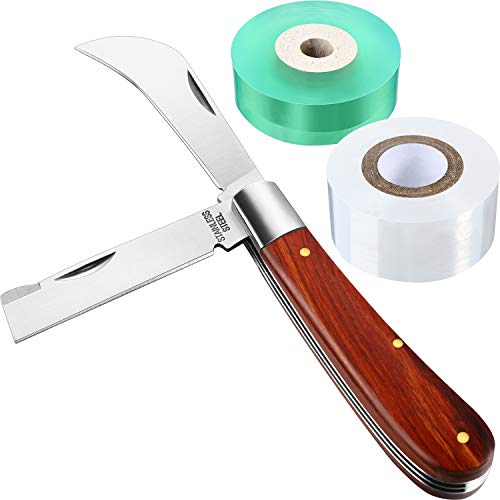
Package includes: you will get 1 double blades garden grafting knife and 2 rolls of grafting tapes in 2 sizes, ideal set for grafting budding, cutting, digging, sprouting, plants, weeding, cutting, sawing, etc.
![[6 Blades Enhanced] NAYE 2 in 1 Garden Grafting Tool Kit for Fruit Trees with Grafting Knife Grafting Tapes,Extra Replacement Blades Included,Professional Grafting Scissor Shear](https://m.media-amazon.com/images/I/51YugXFPuPS._SL500_.jpg)
Made from #65 stainless steel shear blades,high-strength ABS plastic,Japan SK5 double-edged cutting blades
1. Prep Your Tools
Before you start pruning, gather the necessary tools:
- Pruning shears
- Loppers
- Hand saws
- Safety gear
- Disinfectants
- Pruning paint
- Ladder
2. Timing Is Key
Know the best times to prune:
- Winter: Promotes new growth
- Late summer: Maintains size and shape
- Post-harvest: Prepares for the next season
3. Inspect the Tree
Begin by inspecting the tree for:
- Dead or diseased branches
- Crossed branches
- Water sprouts
- Suckers
4. Start Pruning
Follow these steps to prune effectively:
- Remove dead or diseased branches first
- Cut back any crossed branches
- Trim water sprouts
- Prune suckers growing at the base
5. Mindful Cuts
Make clean cuts at a 45-degree angle:
- Cut close to the branch collar but avoid cutting into it
- Avoid leaving stubs, as they can invite disease
6. Post-Pruning Care
Apply pruning paint to large cuts to promote healing and prevent infection.
- Remove any debris from around the tree
- Clean your tools and store them properly
7. Regular Maintenance
Check your tree regularly for:
- New growth
- Signs of disease
- Pests
8. Enlist Professional Help
If you’re unsure about pruning or dealing with large branches, consider hiring a professional arborist for assistance.
Tips for Maintaining a Healthy Grapefruit Tree After Pruning
Inspect Regularly
After pruning your grapefruit tree, regularly inspect it for any signs of disease, pest infestations, or new growth patterns. Look out for yellowing leaves, wilting branches, or unusual spots on the foliage. By catching issues early, you can address them promptly and maintain the tree’s health.
Mulch Around the Base
Applying mulch around the base of your grapefruit tree can help retain moisture, regulate soil temperature, and discourage weed growth. Use organic mulch such as wood chips or compost, but ensure you leave space around the trunk to prevent rot. Mulching also enriches the soil as it decomposes.
Water Properly
Proper watering is essential for the health of your grapefruit tree, especially after pruning. Deep watering infrequently is better than frequent shallow watering. Ensure the soil drains well to prevent waterlogging, which can lead to root rot. During dry periods, increase watering frequency.
Fertilize Strategically
A strategic fertilizer schedule can optimize the growth and fruit production of your grapefruit tree. Choose a fertilizer specifically formulated for citrus trees and follow the instructions for application. Over-fertilizing can harm the tree, while under-fertilizing may lead to nutrient deficiencies.
Monitor Sunlight Exposure
Monitor the sunlight exposure your grapefruit tree receives after pruning. Adequate sunlight is crucial for fruit development. Ensure that the tree receives 6 to 8 hours of sunlight daily. Trim nearby overhanging branches if they obstruct sunlight to the tree.
Prune Regularly
Regular pruning is key to maintaining a healthy grapefruit tree. Remove dead or crossing branches to improve airflow and sunlight penetration. Pruning also encourages new growth and prevents the tree from becoming overgrown. Remember to sanitize your tools between cuts to prevent disease spread.
Seek Professional Assistance
If you encounter complex issues or are unsure about the health of your grapefruit tree, seek professional assistance. An arborist or horticulturist can provide expert advice, diagnose problems accurately, and recommend tailored solutions to ensure the tree’s long-term health.
Conclusion
You’ve learned the importance of proper pruning for your grapefruit trees in Florida. By following strategic trimming techniques, you can boost fruit quality, tree health, and productivity. Remember, timing matters, so align your pruning efforts with the tree’s growth stages. Equipping yourself with the right tools and knowledge is key to successful pruning. After pruning, maintain tree health through regular checks, mulching, watering, fertilizing, and monitoring sunlight exposure. Stay proactive in disease and pest prevention. By incorporating these practices, you’re setting your grapefruit trees up for long-term success in Florida’s unique climate. Happy pruning!
Frequently Asked Questions
When is the best time to prune grapefruit trees in Florida?
The optimal time to prune grapefruit trees in Florida is late winter to early spring before new growth emerges.
Why is pruning essential for grapefruit trees’ health and productivity?
Pruning directs the tree’s energy towards fruit production, improves airflow, reduces disease risks, and enhances fruit quality.
What tools are necessary for pruning grapefruit trees effectively?
Essential tools for pruning grapefruit trees include hand pruners, loppers, pruning saws, and protective gear like gloves and safety goggles.
How can I maintain a healthy grapefruit tree post-pruning?
After pruning, maintain tree health by regular inspections, mulching, proper watering, fertilization, monitoring sunlight exposure, and seeking professional help for complex issues.
