
Close Menu
    Fruit Tree Hub
    • Home
    • Apple Trees
    • Lemon Trees
    • Mango Trees
    • Orange Trees
    • More Trees
      • Best Fruit Trees
      • Apricot Trees
      • Cherry Trees
      • Fig Trees
      • Lime Trees
      • Mulberry Trees
      • Peach Trees
      • Pear Trees
      • Plum Trees
      • Pomegranate Trees
    • Tips and Advice
      • Tools
    • About Us
      • Contact
      • Privacy Policy
    Fruit Tree Hub
    Home»Climbing Fruit»Cantaloupe»How to Pick a Cantaloupe at the Grocery Store: Tips for Choosing the Perfect Ripe Fruit
    Cantaloupe

    How to Pick a Cantaloupe at the Grocery Store: Tips for Choosing the Perfect Ripe Fruit

    Lucy SmithBy Lucy SmithJuly 18, 20245 Mins Read
    Share Facebook Twitter Pinterest WhatsApp Email
    Share
    Facebook Twitter LinkedIn Pinterest Telegram Email

    Have you ever found yourself standing in the produce section, unsure of how to choose the perfect cantaloupe? Picture this: you’re at the grocery store, surrounded by a mound of these sweet melons, but you’re not quite sure which one to pick. It can be a daunting task, but fear not – we’ve got you covered!

    Contents show
    1 Key Takeaways
    2 Understanding Cantaloupes: Varieties and Ripeness
    2.1 Types of Cantaloupes
    3 How to Pick a Cantaloupe at the Grocery Store
    3.1 Check the Appearance
    3.2 Feel the Texture
    4 Storing Your Cantaloupe
    4.1 At Home Storage Tips
    4.2 When to Eat Your Cantaloupe
    5 Conclusion
    6 Frequently Asked Questions
    6.1 How do I choose a ripe cantaloupe?
    6.2 What is the best way to store cantaloupes?
    6.3 What are indicators of an overripe cantaloupe?

    Key Takeaways

    • Understanding the different varieties of cantaloupes such as Crenshaw, Honeydew, Charentais, and Casaba can help in choosing the right one.
    • Use your senses when selecting a cantaloupe – check for fragrance, texture, color, weight, and sound to determine ripeness.
    • Look for a cantaloupe with a yellow or golden rind that feels firm but yields slightly when pressed near the stem end.
    • Store uncut cantaloupes at room temperature to enhance sweetness; refrigerate ripe ones in a plastic bag or container.
    • Once cut, wrap leftover cantaloupe tightly and consume within a few days for optimal taste; avoid freezing due to its high water content.

    Understanding Cantaloupes: Varieties and Ripeness

    When selecting a cantaloupe at the grocery store, it’s essential to understand the different varieties available and how to identify their ripeness. Here’s what you need to know:

    MUST READ
    What Not to Plant with Cantaloupe: Avoid These Companions for a Bountiful Harvest

    Types of Cantaloupes

    1. Crenshaw: Known for its sweet flavor and vibrant orange flesh, Crenshaw cantaloupes are larger in size compared to other varieties.
    2. Honeydew: While not technically a cantaloupe, honeydew melons are often grouped together. They have a pale green skin and sweet, juicy flesh.
    3. Charentais: Originating from France, Charentais cantaloupes are small in size with a distinctively sweet aroma and intense flavor.
    4. Casaba: Casaba melons have a wrinkled yellow skin when ripe and offer a mild sweetness with hints of cucumber-like freshness.
    1. Scent: A ripe cantaloupe will emit a sweet fragrance from the blossom end (opposite the stem).
    2. Texture: Press gently on the blossom end; it should yield slightly but not be too soft.
    3. Color: The rind should have a golden hue underneath the netting pattern when fully ripe.
    4. Weight: A ripe cantaloupe feels heavy for its size due to its high water content.
    5. Sound: When thumped, a ripe cantaloupe produces a deep, hollow sound rather than a dull thud indicating underripeness.

    How to Pick a Cantaloupe at the Grocery Store

    When selecting a cantaloupe at the grocery store, you want to ensure you pick the perfect one. Here’s how to do it:

    Recommended Products

    Cantaloupe Melon, 1 Each
    Cantaloupe Melon, 1 Each

    Grown in United States, Guatemala or Honduras

    VIEW LATEST PRICE

    As an affiliate, we earn on qualifying purchases.

    Tuscan Cantaloupe, One Medium
    Tuscan Cantaloupe, One Medium

    Extra sweet Tuscan-Style cantaloupe

    VIEW LATEST PRICE

    As an affiliate, we earn on qualifying purchases.

    Anna and Sarah Tropical Dried Fruit Mix (11 Lbs)
    Anna and Sarah Tropical Dried Fruit Mix (11 Lbs)

    TROPICAL DRIED FRUIT MIX: Great mixture of dried fruits for your sweet tooth!

    VIEW LATEST PRICE

    As an affiliate, we earn on qualifying purchases.

    MUST READ
    How Long Does It Take Cantaloupe to Grow: A Detailed Guide to Growing and Harvesting Juicy Melons

    Check the Appearance

    • Look for a cantaloupe with a prominent yellow or golden color on its rind.
    • Ensure that the skin has a coarse texture and is not too smooth.
    • Avoid any melons with visible bruises, soft spots, or mold.

    Feel the Texture

    • Gently press on the stem end of the cantaloupe; it should yield slightly but not be too soft.
    • The skin should feel firm and give off a slight fragrant aroma near the blossom end when ripe.
    • Take a whiff near the stem end; ripe cantaloupes emit a sweet fragrance.
    • If there’s no scent or it smells musty, it may not be ripe yet.

    Storing Your Cantaloupe

    After picking the perfect cantaloupe, it’s essential to store it correctly to maintain its freshness and flavor. Here are some helpful tips on how to store your cantaloupe at home and know when it’s ready to be enjoyed.

    Recommended Products

    BINO | Produce Saver - 15.2 Cup/3.6L | Fridge Storage Containers for Fruits and Vegetables | Vegetable Storage with Adjustable Air Vent, Removable Basket | BPA-Free Fridge Organizers and Storage
    BINO | Produce Saver - 15.2 Cup/3.6L | Fridge Storage Containers for Fruits and Vegetables | Vegetable Storage with Adjustable Air Vent, Removable Basket | BPA-Free Fridge Organizers and Storage

    Clever Design: The BINO produce saver is made of a durable material that is easy to clean and has a tight-fitting lid to keep out moisture and air. It has a removable colander-style basket that helps drain any excess water.

    VIEW LATEST PRICE

    As an affiliate, we earn on qualifying purchases.

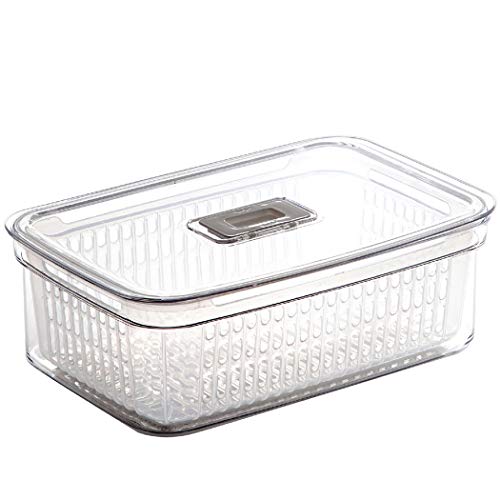
    ProKeeper Produce Container, 3-Quart – Stay-Fresh Vent System for Small Peppers and Tomatoes, BPA-Free
    ProKeeper Produce Container, 3-Quart – Stay-Fresh Vent System for Small Peppers and Tomatoes, BPA-Free

    Contains (1) ProKeeper Produce Keeper, 3-Quart with Stay Fresh Vent
    VIEW LATEST PRICE

    As an affiliate, we earn on qualifying purchases.

    MUST READ
    When to Plant Cantaloupe: Tips for Successful Growth and Harvest
    Trasylph 2 Pack Fruit Storage Containers for Fridge with Removable Colanders, Dishwasher & Microwave safe Produce Storage Containers with Lids Keep Fruits, Vegetables, Berry, Meat Fresh longer
    Trasylph 2 Pack Fruit Storage Containers for Fridge with Removable Colanders, Dishwasher & Microwave safe Produce Storage Containers with Lids Keep Fruits, Vegetables, Berry, Meat Fresh longer

    【Two Sizes with Removable Colanders】You will get 2 sized fridge organizers and storage with 2 matched colanders. Size M holds 28.5oz (850ml), Size L holds 59oz (1750ml). The colanders can be used inside the container or separately. These berry containers for fridge are suited for most fruits, vegetables, berries, and meats.

    VIEW LATEST PRICE

    As an affiliate, we earn on qualifying purchases.

    At Home Storage Tips

    1. Room Temperature: Keep your uncut cantaloupe at room temperature if you plan to enjoy it soon. It can continue to ripen outside the refrigerator, enhancing its sweetness.
    2. Refrigeration: If you need more time before consuming your cantaloupe, store it in the refrigerator once it’s fully ripe. Place the whole melon in a plastic bag or container to prevent ethylene exposure.
    3. Cut Cantaloupe: Once you’ve cut into the fruit, wrap the remaining portion tightly with plastic wrap or place it in an airtight container before refrigerating. Consume within a few days for optimal taste.
    4. Avoid Freezing: While freezing may seem like a viable option, cantaloupe doesn’t freeze well due to its high water content, resulting in a mushy texture upon thawing.

    When to Eat Your Cantaloupe

    Knowing when your cantaloupe is ready for consumption is crucial for enjoying its peak flavor and juiciness.

    1. Ripe Indicators: A ripe cantaloupe should yield slightly when pressed near the stem end but remain firm overall. It should also emit a sweet fragrance from the blossom end without being overly soft.
    2. Color Check: Look for a golden-yellow hue on the rind as an indicator of ripeness; however, avoid any signs of green undertones which suggest underripeness.
    3. Sound Test: Tap lightly on the melon; if you hear a dull thud instead of a hollow sound, it’s likely ripe and juicy inside.
    MUST READ
    How to Grow Cantaloupe from Seed: Tips for Successful Homegrown Melons

    Conclusion

    Picking the perfect cantaloupe can be tricky, but with a little know-how, you’ll be able to choose ripe and delicious fruit every time. Remember to trust your senses – the scent, texture, color, and sound are all clues that can guide you towards the best choice. Whether you’re planning to enjoy your cantaloupe right away or store it for later, following these simple tips will ensure that you get the most out of this sweet and juicy fruit. Happy shopping and happy eating!

    Frequently Asked Questions

    How do I choose a ripe cantaloupe?

    To select a ripe cantaloupe, look for a sweet fragrance, golden-yellow color, slight yield when pressed at the blossom end, and a dull thud sound when tapped.

    What is the best way to store cantaloupes?

    Store unripe cantaloupes at room temperature to ripen. Once ripe, refrigerate them in a ventilated container for up to 5 days. Avoid freezing as it alters the texture.

    What are indicators of an overripe cantaloupe?

    An overripe cantaloupe may have mold spots, feel excessively soft or mushy, emit an unpleasant odor, or taste fermented.

    Share. Facebook Twitter Pinterest LinkedIn Tumblr Email
    lucy smith
    Lucy Smith
    • Website

    Lucy Smith is a highly experienced horticulturist with a passion for fruit tree cultivation. She holds a degree in Horticulture from the University of California, Davis, and has worked in various roles in the industry. With over 10 years of experience, Lucy is dedicated to using eco-friendly methods for sustainable gardening practices.

    Related Posts

    Growing Cantaloupe in a Pot: Tips for Success in Small Spaces

    July 21, 2024

    How to Grow Sugar Cube Cantaloupe: A Comprehensive Guide for Successful Harvests

    July 21, 2024

    How Many Cantaloupe Seeds per Hole: Planting Tips for a Bountiful Harvest

    July 21, 2024

    What to Do with Cantaloupe Seeds: Creative Ways to Eat, Store, and Use Them

    July 21, 2024

    Can You Eat Cantaloupe Seeds? A Nutritional Guide and Safety Tips

    July 21, 2024

    Companion Planting Watermelon and Cantaloupe: Tips for Successful Intercropping

    July 21, 2024
    Leave A Reply Cancel Reply

    Affiliate Disclosure

    As an Amazon Associate I earn from qualifying purchases.

    Recommended Reading

    Do All Lemon Trees Bear Fruit? Essential Tips for Growing Healthy Lemon Trees

    Will a Lemon Tree Grown from Seed Produce Fruit: Essential Tips for Success

    What Fruit Trees Can Grow in Maryland: Top Varieties and Care Tips for Your Garden

    Nectarine Trees in a Pot in Louisiana: Success in Humidity

    What Fruit Trees Grow Well in Tucson AZ: A Guide to Thriving Trees and Care Tips

    How to Grow Grapefruit Trees in Oregon: PNW Climate Tips

    Papaya Trees in Oregon (Pacific Northwest Planting Success)

    How to Make Bonsai Fruit Trees: A Complete Guide to Growing Miniature Edible Trees

    How to Protect Fruit Trees from Late Frost with Effective Strategies and Tips for Success

    What Fruit Trees Do Squirrels Not Eat – Best Options for a Squirrel-Resistant Garden

    Fruit Tree Hub

    Fruit Tree Hub is a website dedicated to providing you everything you need to grow fruit trees successfully at in your own yard.

    Contact us at: [email protected]

    - AFFILIATE DISCLOSURE: As an Amazon Associate I earn from qualifying purchases.

    Latest Posts

    21 Colorful Halloween Crochet Motifs Featuring Pumpkins Bats and Black Cats

    23 Smart Halloween Crochet Ideas to Sell as Keychains and Coasters

    22 Fun Halloween Crochet Ideas Built Around Treat Bags and Hats

    23 Adorable Halloween Amigurumi Ideas Featuring Ghosts and Black Cats

    22 Compact Halloween Crochet Decorations for Shelves and Small Spaces

    19 Practical Halloween Crochet Decorations Designed for Tabletop Displays

    24 Cozy Halloween Crochet Decor Ideas Built Around Mantel Garlands

    19 Playful Kawaii Halloween Crochet Ideas Featuring Smiling Spooky Characters

    Categories
    • Almond Trees
    • Apple Trees
    • Apricot Trees
    • Best Fruit Trees
    • Blackberry
    • Cantaloupe
    • Cherry Trees
    • Crochet Ideas
    • Crochet Ideas for Beginners
    • Cucamelon
    • Easy Crochet Ideas
    • Easy Knitting Projects
    • Fall Crochet Ideas
    • Fig Trees
    • Grapefruit Trees
    • Grapes
    • Guava Trees
    • Halloween Crochet Ideas
    • Honeydew
    • Jujube Trees
    • Kiwi
    • Knitting For Beginners
    • Knitting Ideas
    • Knitting Inspiration
    • Lemon Trees
    • Lime Trees
    • Loquat Trees
    • Mango Trees
    • Mulberry Trees
    • Nectarine Trees
    • Olive Trees
    • Orange Trees
    • Papaya Trees
    • Peach Trees
    • Pear Trees
    • Persimmon Trees
    • Planting
    • Plum Trees
    • Pomegranate Trees
    • Quince Trees
    • Raspberry
    • Reviews
    • Small Crochet Ideas
    • Star Fruit Trees
    • Summer Crochet Ideas
    • Tamarind Trees
    • Tangerine Trees
    • Tips and Advice
    • Tools
    • Uncategorized
    • Walnut Trees
    © 2026 Fruit Tree Hub
    • Home
    • About Us
    • Contact
    • Privacy Policy
    • Terms and Conditions
    • Disclaimer
    • Editorial Policy
    • Affiliate Disclosure

    Type above and press Enter to search. Press Esc to cancel.