

Have you ever wondered when your persimmon tree will finally reward you with its sweet, golden fruit? If you’ve planted one of these beautiful trees, you’re not alone in your anticipation. Many gardeners find themselves eagerly waiting for that first harvest, but the timeline can be a bit tricky.
Understanding when persimmon trees bear fruit can help you manage your expectations and care for your tree better. This article will guide you through the factors that influence fruiting, from tree age to climate conditions. With the right knowledge, you’ll be better prepared to enjoy the delicious bounty of your persimmons when the time comes.
Key Takeaways
- Fruiting Timeline: Persimmon trees generally start bearing fruit between 3 to 6 years, depending on the variety and care.
- Types of Persimmons: Two main types are the American persimmon (Diospyros virginiana) and the Asian persimmon (Diospyros kaki), with differing fruiting timelines.
- Essential Growth Stages: Young trees focus on establishment, while maturity (typically around 5 to 7 years) is when flowering and subsequent fruiting occurs.
- Influencing Factors: Age, climate conditions, and pollination methods significantly impact fruit production, with older and well-nourished trees yielding more fruit.
- Optimal Care: Well-draining soil, regular watering, and proper fertilization are key to promoting healthy growth and fruit development.
- Harvesting Tips: Harvest persimmons in late summer to early fall when the fruit changes color and becomes soft to the touch, indicating ripeness.
Understanding Persimmon Trees
Persimmon trees belong to the genus Diospyros. These trees can produce fruit that varies in sweetness and texture, depending on the species. Two main types of persimmon trees are the American persimmon (Diospyros virginiana) and the Asian persimmon (Diospyros kaki).
Growth Stages of Persimmon Trees
- Seed Germination: If you grow persimmons from seeds, germination occurs after a period of cold stratification, about 90 to 120 days.
- Juvenile Stage: Young persimmon trees require 3 to 5 years to mature enough to bear fruit. During this phase, focus on providing adequate nutrients and water.
- Mature Stage: Once the tree reaches maturity, typically around 5 to 7 years, you begin to see flowers. These flowers are crucial for fruit development.
Factors Influencing Fruiting
- Age: Older trees, particularly those over 5 years, produce more fruit than younger trees.
- Climate Conditions: Warm temperatures and moderate rainfall support fruit development. Extreme cold or drought can reduce yield.
- Pollination: Some varieties are self-pollinating, while others require cross-pollination. Ensure you plant compatible varieties for better fruit set.
Fruiting Timeline
- First Fruits: Expect fruiting to start between 3 to 5 years if proper care is followed.
- Peak Production: Maximum yield typically occurs around 10 to 15 years of age, with trees producing anywhere from 50 to 100 pounds of fruit annually.
- Dormancy to Fruiting: Trees enter a dormancy phase during winter. As temperatures warm in spring, buds begin to form, developing into flowers.
Harvesting
Harvesting persimmons occurs in late summer to early fall. You can determine ripeness by:
- Color Change: Look for a vibrant orange hue.
- Texture: Fruits become soft when fully ripe. Avoid unripe fruit unless intended for specific culinary uses.
By understanding these factors, you can effectively cultivate persimmon trees, leading to a successful and fruitful harvest.
Factors Influencing Fruit Bearing
Several factors affect when your persimmon tree starts to bear fruit. Understanding these elements can enhance your gardening success.
Recommended Products
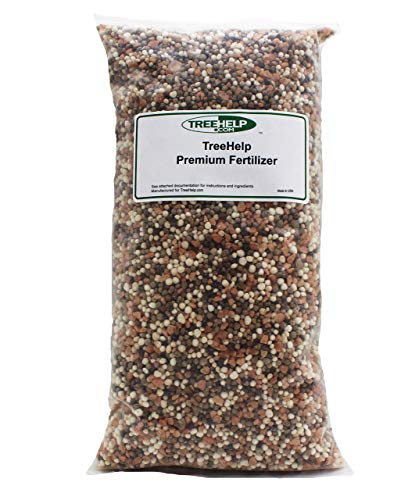
Not Available for Sell in WA, USA

Made for Lemon & Citrus Trees – Formulated to support healthy growth in lemon and citrus plants.

LASTING COLOR: Miracle-Gro Tree & Shrub Plant Food Spikes are fertilizer spikes for trees and shrubs; they promote vibrant color and foliage for trees and shrubs in your yard
Tree Variety
Tree variety plays a significant role in fruiting. American persimmons (Diospyros virginiana) typically bear fruit later than Asian varieties (Diospyros kaki). For instance, American persimmons often begin fruiting around 5 to 6 years, while Asian persimmons might start as early as 3 years. Selecting the right variety based on your climate and desired fruit characteristics can impact your harvest timeline.
Climate Conditions
Climate conditions directly influence fruit production. Persimmon trees thrive in USDA hardiness zones 4 through 10. Ideal temperatures range from 75°F to 85°F during the growing season. Both hot summers and a cold winter chilling period are crucial. Moreover, persimmons require moderate rainfall, approximately 30 to 40 inches yearly. Insufficient water can lead to poor fruit development. Additionally, a frost-free growing season of at least 150 days aids in proper ripening, ensuring a bountiful yield.
Growth Stages of Persimmon Trees
Understanding the growth stages of persimmon trees helps you care for them effectively and anticipate fruiting times. This journey includes several key phases: flower development and the fruit set process.
Recommended Products

Precise Manual Pollination: This vegetable pollinator tool provides controlled hand pollination that enhances fruit and vegetable pollination efficiency, helping to increase crop yields by reliance on unpredictable natural pollinators

【Complete Root Removal for Lasting Results】 – Our heavy-duty sapling puller is engineered to fully uproot trees, shrubs, and invasive plants with woody stems from ¼” to 2” in diameter. The high-leverage mechanism ensures the entire root ball is extracted, preventing regrowth and providing a permanent solution for land clearing and garden maintenance.

Plant pollinator-- this tool is designed to be compatible with different types of crops, including hybrids, exotic species, and varieties,fruits pollination
Flower Development
Flower development plays a crucial role in the fruiting timeline. Persimmon trees typically produce flowers in spring. American persimmons often yield small, greenish-yellow blooms, while Asian varieties feature larger, more visually appealing flowers.
You can identify the flower stage by the presence of these blooms on your trees. The male flowers produce pollen, while the female flowers develop into fruit if pollinated. Adequate temperatures and moisture during this phase promote healthy flower formation. Ensure your trees receive enough sunlight, as this aids flower growth.
Fruit Set Process
The fruit set process begins after successful pollination. In persimmons, the flowers must be fertilized to develop fruit. You can observe fruit set occurring shortly after flowering, with small, green fruits visible.
Pollination often relies on wind or insects, but you can assist by planting companion flowers nearby. As the fruits develop, abscission—the natural shedding of unpollinated or poorly formed fruits—may occur. Expect some fruit to drop naturally, which is normal. Monitoring your tree during this stage is essential, as water and nutrient levels will impact fruit quality and size.
By understanding these growth stages, you enhance your chances of a plentiful harvest in the future.
Optimal Conditions for Fruit Bearing
Achieving optimal conditions for persimmon trees promotes healthy fruit production. You can ensure your tree thrives by focusing on specific soil, watering, and care practices.
Recommended Products

Kindly NOTE: This soil tester can not be applied to test pH value of any other liquid. If the soil is too dry the indicator will not move, and water it before testing.

【4 in 1 function】This is a 4-in-1 multifunctional soil tester.Our soil tester fastly to measure soil moisture, pH, temperature and sunlight to help you take better care of flowers and plants.You can know when you need to water your soil by measuring moisture and pH & Temperature value of the soil and sunlight level of plants with it.
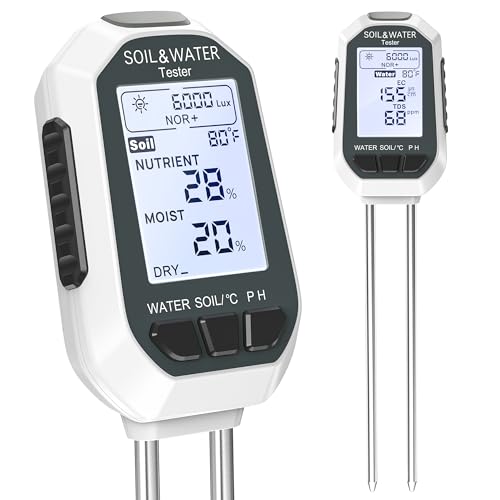
【7-in-1 Features】This is a 7-in-1 multi-function soil tester. Our soil tester quickly measures soil moisture, pH, temperature and light intensity, and its fertility function helps you take better care of your plants. With this device you can measure the soil moisture, pH, temperature and light intensity for your plants and with the EC and TDS functions you will know when it is time to water the soil.
Soil Requirements
Persimmon trees prefer well-draining, loamy soil with a pH between 6.0 and 7.5. You can enhance soil quality by incorporating organic matter, such as compost or well-rotted manure, which improves drainage and fertility. For best results, conduct a soil test to determine nutrient levels and amend accordingly. If the soil is too compact or clay-heavy, consider mixing in sand or perlite to improve aeration. Additionally, raised beds can encourage better drainage.
Watering and Care
Watering is crucial during the first few years as your persimmon tree establishes roots. You should provide deep watering every week, allowing soil to dry out slightly between sessions. Once the tree matures, it requires less frequent watering, particularly if grown in regions with sufficient rainfall. Monitor the tree closely during dry spells, as persimmons enjoy consistent moisture without being waterlogged.
Mulching around the base of the tree helps retain moisture and suppress weeds. Aim for a 2- to 3-inch layer of organic mulch, like wood chips or straw. Regularly check for pests and diseases, treating problems promptly. Fertilize in early spring using a balanced fertilizer to supply necessary nutrients, but avoid over-fertilizing, as too much nitrogen can lead to excessive foliage growth at the expense of fruit production.
Conclusion
Growing persimmon trees can be a rewarding journey filled with anticipation. By understanding the factors that influence when your trees bear fruit you can enhance your gardening experience. Remember to nurture your trees through their growth stages and provide the right conditions for optimal fruit development.
With patience and care you’ll soon enjoy the sweet rewards of your efforts. Whether you’re harvesting your first fruits or tending to a mature tree the joy of picking ripe persimmons is worth the wait. Happy gardening and here’s to a bountiful harvest ahead!
Frequently Asked Questions
How long does it take for persimmon trees to bear fruit?
Persimmon trees typically start bearing fruit between 3 to 6 years of age. Asian persimmons may produce fruit as early as 3 years, while American varieties usually start around 5 to 6 years. Peak production occurs around 10 to 15 years.
What conditions do persimmon trees need for optimal fruiting?
Persimmon trees require well-draining, loamy soil with a pH of 6.0 to 7.5. They thrive in USDA hardiness zones 4 through 10 and need moderate rainfall, ideal temperatures, and a frost-free growing season of at least 150 days for optimal fruit development.
What are the different types of persimmon trees?
The two main types of persimmon trees are the American persimmon (Diospyros virginiana) and the Asian persimmon (Diospyros kaki). Each type has distinct characteristics, including different flowering times and fruiting age.
How should I care for my persimmon tree during its growth stages?
Care for your persimmon tree includes maintaining consistent moisture through deep weekly watering in early years, mulching to retain moisture, and monitoring for pests. Fertilize with a balanced fertilizer in early spring and avoid over-fertilizing to promote healthy fruit production.
What signs indicate that persimmons are ripe for harvest?
Ripe persimmons will show a change in color, often becoming a vibrant orange or yellow, and should feel slightly soft to the touch. It’s important to monitor them closely to ensure they are harvested at their peak ripeness for the best flavor.
