

Ever found yourself excitedly buying a punnet of fresh raspberries only to discover they’ve turned moldy before you could enjoy them all? It’s frustrating, isn’t it? You’re not alone in this berry dilemma. But fret not, as we’ve got your back with some simple yet effective tips on storing raspberries at home.
Key Takeaways
- Understanding factors affecting raspberry freshness is crucial for prolonging their shelf life.
- Signs of spoiling in raspberries include mold growth, discoloration, and soft texture.
- Proper preparation such as washing, drying, and sorting damaged berries is essential for storing raspberries effectively.
- Optimal storage methods like refrigeration and freezing can help extend the freshness of raspberries.
- Using innovative storage solutions like airtight containers and humidity control can further preserve raspberry quality.
Understanding Raspberry Freshness
When it comes to keeping your raspberries fresh, understanding the factors affecting their shelf life is crucial. By recognizing the signs of spoiling in raspberries, you can take proactive steps to prolong their freshness and enjoy them for longer.
Factors Affecting Raspberry Shelf Life
To ensure your raspberries stay fresh, several factors come into play:
- Temperature: Raspberries are sensitive to heat and humidity. Storing them at room temperature can cause them to spoil quickly.
- Moisture: Excess moisture promotes mold growth on raspberries. Make sure they are dry before storing them.
- Air Circulation: Proper ventilation is essential to prevent moisture buildup around the berries.
- Handling: Gentle handling during storage helps prevent bruising and extends the shelf life of raspberries.
Signs of Spoiling in Raspberries
Recognizing when your raspberries are starting to spoil is key to enjoying them at their best:
- Mold Growth: Check for any fuzzy white or gray mold on the berries.
- Discoloration: Dark spots or a change in color indicate that the raspberries are past their prime.
- Soft Texture: Raspberries should be firm; any mushiness suggests spoilage.
By keeping an eye out for these signs and understanding how different factors affect raspberry freshness, you can store your raspberries effectively and savor their delicious flavor for longer periods.
Preparing Raspberries for Storage
When it comes to storing raspberries at home, proper preparation is key to extending their freshness and lifespan. Here are some essential steps to ensure your raspberries stay fresh for as long as possible:
Recommended Products

Material: The paper towel holder is made of waterproof SUS304 stainless steel, waterproof, rust-proof and scratch-proof, anti-oxidation, smooth surface and L-style designs makes it easy to replace the new paper roll, and easy to clean.

【Vibrant Strawberry Styling & Multi-Aesthetic Compatibility】 Boasting delicate hand-printed red strawberry motifs, this red strawberry paper towel holder delivers fresh, lively decor for your home. Compatible with cottagecore, farmhouse, kawaii, and pastel kitchen aesthetics, it works as gorgeous strawberry aesthetic home decor and practical vintage strawberry kitchen accessories. Serving as a trendy strawberry kitchen decor paper towel stand, it refreshes plain countertops and acts as lovely strawberry shortcake kitchen decor, sweet girl's kitchen decor, and charming kitchen decor for girl who love themed home styling.

MATERIAL: The under cabinet paper towel holder is construct of high premium stainless steel, waterproof and rustproof, has a good load capacity and stickiness, cannot easily fall off and deform
Washing and Drying Techniques
Before storing your raspberries, it’s crucial to wash them properly to remove any dirt or residues that may cause them to spoil faster. To wash raspberries, gently place them in a colander and rinse them under cold running water. Avoid soaking the berries as they can quickly absorb water and become mushy.
After washing, lay the raspberries out on a paper towel in a single layer to dry thoroughly. Make sure not to stack the berries on top of each other during this process. Once dried, you can proceed with storage or consumption.
Sorting Out Damaged Berries
Inspect your raspberries carefully before storage and remove any damaged or spoiled berries. Discard any raspberries that show signs of mold growth, excessive softness, or discoloration. Separating out these damaged berries prevents them from affecting the rest of the batch’s freshness.
By taking the time to sort out damaged berries before storage, you help maintain the overall quality of your raspberry supply and reduce the risk of premature spoilage.
Optimal Storage Methods
When it comes to storing raspberries at home, following optimal storage methods is key to keeping them fresh for longer periods. Here are some practical tips on how to store your raspberries effectively:
Recommended Products
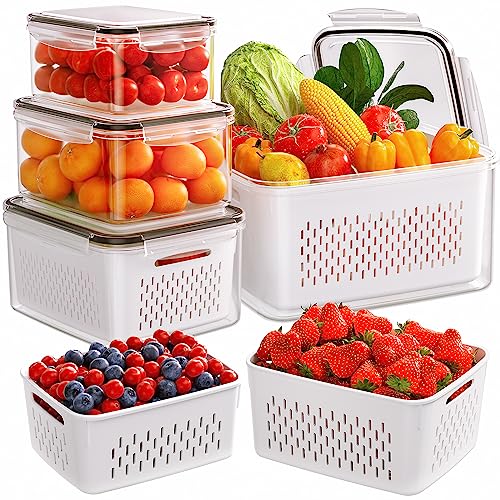
【5 Different Size & Large Capacity】 Upgrade fruit containers for fridge set include 5 pack of X-Large size 140 OZ(4.15L) + large size 106 OZ (3.15L) + medium size 57 OZ(1.7L) + small size 27 OZ(0.8L) +mini size 12 OZ(0.35L). Various capacities can perfectly fit for most fruits, veggies produce and other food storage.

Better for different produce : You will get 4 sized fridge organizers and 4 matched colanders that could be used in the container or separate. Size from 0.32 L to 2.7 L [ 0.34 - 2.85 qt ]. Suited for berries, fruits, vegetables, meats

Reduce food waste with an all-in-one system to extend the life of produce
Refrigeration Best Practices
To maximize the shelf life of your raspberries, refrigeration is crucial. Follow these best practices for refrigerating your raspberries:
- Storage Container: Place the unwashed raspberries in a shallow container lined with paper towels to absorb excess moisture.
- Temperature: Store the container in the refrigerator at around 32-34°F (0-1°C) to maintain freshness.
- Air Circulation: Ensure proper ventilation by poking small holes in the container or leaving it slightly open.
- Handling: Avoid squeezing or stacking the berries tightly to prevent bruising and mold growth.
Freezing Techniques for Long-Term Storage
If you have an abundance of raspberries and want to store them for an extended period, freezing is an excellent option. Here’s how you can freeze your raspberries properly:
- Preparation: Wash the raspberries gently under cold water and pat them dry with paper towels.
- Single Layer Freezing: Spread the dried berries in a single layer on a baking sheet and place them in the freezer until they’re firm.
- Final Storage: Transfer the frozen berries into airtight containers or resealable bags, removing any excess air before sealing.
- Labeling: Don’t forget to label the containers with the date of freezing for easy tracking.
Innovative Storage Solutions
When it comes to storing raspberries at home, using innovative storage solutions can help extend their freshness and shelf life. Here are some practical tips on how to store raspberries effectively:
Recommended Products

5 packs : You will get 5 fridge storage containers with colander size from 300 ml to 4200 ml [10 oz - 148 oz ]. Suited for Most fruits, vegetables, berries, meats.
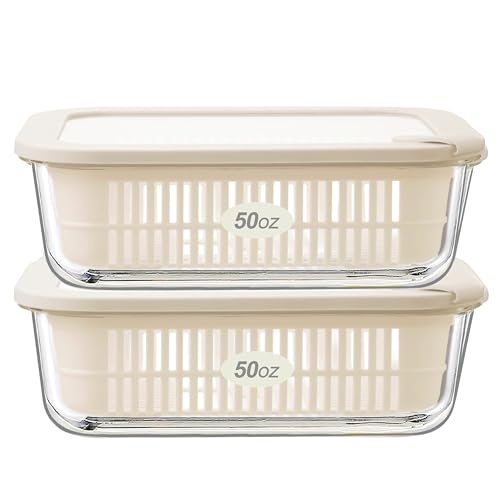
✅NEW DESIGN-GLASS& SILICONE LID CONTAINER IN SQUARE SHAPE: Our New Design Glass Lid is made of Durable Semi-Tempered Glass and Premium Silicone only, Glass Container is made of Quality Borosilicate Glass, Removable Colander is BPA Free High Quality Plastic.

6 Versatile Sizes Fruit Containers: Our fruit storage containers for fridge sets include 6 practical sizes (210oz, 140oz, 106oz, 57oz, 27oz, 13oz) to fit all fresh produce. Suitable for storing berries, raspberries, grapes, strawberries, carrots, lettuce, and salads, each size serves a clear purpose. Designed for large families and people who purchase food from a warehouse store, produce storage containers keep your fridge organized and keep food fresher longer
Using Airtight Containers
To maintain the freshness of your raspberries, consider storing them in airtight containers. Airtight containers help seal in the moisture and prevent air exposure, which can lead to premature spoilage. Make sure the container is clean and dry before placing the raspberries inside. This method helps protect the delicate berries from excess moisture and air, preserving their flavor and texture for longer.
The Role of Humidity Control
Humidity control plays a crucial role in keeping raspberries fresh. Raspberries are sensitive to moisture levels, so it’s essential to store them in an environment with controlled humidity. Too much moisture can cause mold growth, while low humidity can lead to dehydration. Consider using a refrigerator with adjustable humidity settings or placing a damp paper towel in the container to maintain optimal humidity levels for your raspberries.
By utilizing airtight containers and controlling humidity levels, you can ensure that your raspberries stay fresh and delicious for an extended period. Incorporating these innovative storage solutions into your routine will help you enjoy ripe and flavorful raspberries whenever you crave them.
Conclusion
You now have the tools to keep your raspberries fresh and delicious for longer. By understanding the key factors that influence raspberry shelf life and implementing proper storage techniques like refrigeration and freezing, you can enjoy these juicy berries well beyond their purchase date. Remember to look out for signs of spoilage such as mold growth or soft texture, and take the necessary steps to maintain their freshness. With a little care in handling, washing, and sorting your raspberries before storage, you can savor their flavor in various dishes or enjoy them as a healthy snack whenever you please. So go ahead, apply these tips, and make the most out of your raspberry haul by keeping them at their best for as long as possible!
Frequently Asked Questions
Q: Why do raspberries go bad so quickly after purchase?
A: Raspberries are delicate fruits prone to mold growth due to their high moisture content and fragile structure. Factors like temperature, humidity, and handling play a significant role in their shelf life.
Q: What are the signs of spoilage in raspberries?
A: Mold growth, discoloration, and a soft texture are common indicators of raspberry spoilage. Recognizing these signs is crucial for identifying when raspberries are no longer fresh.
Q: How should I prepare raspberries for storage?
A: Wash raspberries gently, pat them dry with paper towels, and remove any damaged or spoiled berries before storing. This helps prevent the spread of mold and extends their freshness.
Q: What are some optimal storage methods for raspberries?
A: Refrigerate unwashed raspberries in a breathable container lined with paper towels to absorb excess moisture. For long-term storage, consider freezing raspberries by spreading them on a tray before transferring to an airtight bag.
Q: How can I maintain raspberry freshness using innovative solutions?
A: Utilize airtight containers to seal in moisture and reduce exposure to air, which helps preserve raspberry quality. Controlling humidity levels in the storage environment also plays a key role in maintaining freshness over time.
