

Have you ever stared at your fruit tree and wondered if it’s still alive? It’s a common worry for many gardeners. You put in the effort to nurture it, and seeing it struggle can be disheartening. Knowing how to identify the signs of a dead tree can save you time and heartache.
Key Takeaways
- Signs of Decline: Lack of leaves, faded or discolored bark, and absence of buds are key indicators that your fruit tree may be dead.
- Root Health: Examining roots for rot and testing their flexibility are essential steps in assessing the overall health of your tree.
- Bark and Branch Vitality: Scratching the bark for green tissue and checking branches for flexibility can help you determine if the tree is still alive.
- Seasonal Indicators: Spring and winter are crucial for evaluating tree health; signs of life such as swollen buds or bark condition should be monitored closely.
- Proactive Care: Regular inspections and timely interventions can prevent further decline and support recovery for struggling fruit trees.
Signs of a Dead Fruit Tree
Identifying the signs of a dead fruit tree is crucial for gardeners. Knowing what to look for helps you take action quickly.
Lack of Leaves
A fruit tree without leaves during the growing season signals potential death. Healthy trees produce vibrant foliage. If your tree shows no leaves by late spring, it’s a red flag. Check for tiny leaf buds; their absence often indicates severe health issues.
Faded or Discolored Bark
Inspect the bark closely. Healthy bark is firm and has a rich, vibrant color. If you notice peeling, cracks, or discoloration, your tree may be in trouble. Faded bark suggests that the tree is unable to transport nutrients effectively, which could lead to death. Gently scratch the bark with your fingernail. If the layer underneath is brown or dry, the tree’s chances of survival are low.
Absence of Buds
Watch for buds in early spring. A lack of new buds means your tree isn’t preparing to grow. This absence indicates that the tree is likely dead. Healthy trees begin to develop buds in cooler weather, signaling readiness for growth. If you see no signs of budding by late March, it’s time to reevaluate your tree’s health. Any brown or mushy buds can confirm your suspicions about the tree’s viability.
Examining the Roots
Examining the roots of your fruit tree provides crucial insights into its overall health. Healthy roots are essential for nutrient and water absorption. Analyzing root conditions helps determine if a tree is dead or just struggling.
Recommended Products

4-Hole Side Design: This high-performance tree watering spike makes it easy to deliver water and fertilizer directly to the root zone. The upgraded side-hole design helps improve watering efficiency, while the sharp tip makes it easy to push into hard or compact soil. The 4 side outlets help reduce clogging and distribute water more evenly for deep root watering and feeding.
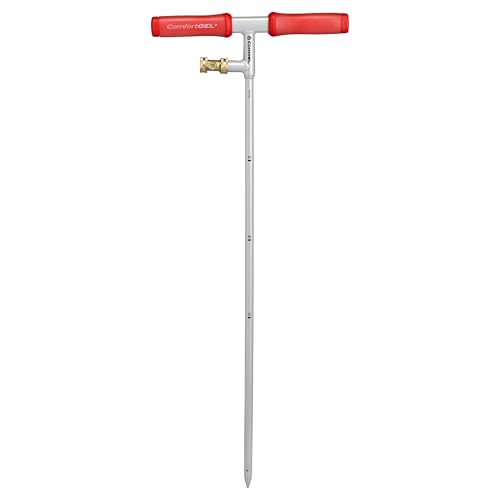
Targeted Deep Root Irrigation – Delivers water directly to the root zone, reducing runoff and evaporation while promoting deeper, healthier root growth for trees, shrubs, and garden plants.

Let Your Plants Thrive with Dack Root Feeder.It is one of the finest tool available for feeding and watering trees shrubs rose and other gardenplants.Root Feeding is the best method of guaranteeing that both fertilizer and water will reach the plants feeding zone.
Root Damage Assessment
Inspect the roots by gently digging around the base of the tree. Look for signs of rot, which often appears as dark, mushy areas. Healthy roots should be firm and white or light tan. If you find black or brown roots, this indicates damage. Compare the root mass with healthy examples from nearby trees for reference.
Testing for Flexibility
Test the roots’ flexibility by gently tugging on them. Healthy roots feel pliable and resilient. If the roots break easily or feel brittle, this suggests they are dead or dying. Use this flexibility test as a quick method to gauge root vitality, enhancing your overall assessment of the tree’s health.
Bark and Branch Inspection
Inspecting the bark and branches of your fruit tree provides valuable insights into its health. Look for signs of life or decay in these areas to gauge whether your tree is dead.
Scratching the Bark
Scratching the bark helps determine whether the tree is alive. Use your fingernail or a small tool to gently scrape off a thin layer of bark. If you see green tissue underneath, the tree is still alive. Green tissue indicates active photosynthesis and nutrient flow. If the area underneath is brown or dry, the wood is likely dead.
Checking for Live Wood
Checking for live wood involves examining branches for flexibility and color. Bend small branches; if they snap easily, they may be dead. A healthy branch stays pliable. Additionally, cut a small section from a branch to reveal the inner wood. Live wood appears bright and moist, while dead wood looks brown or gray and may be brittle. This quick check helps confirm the overall vitality of the tree.
Seasonal Considerations
Understanding seasonal changes is essential for assessing the health of your fruit tree. Different seasons offer unique indicators of the tree’s vitality. You’ll want to pay close attention during spring and winter, as these times reveal much about your tree’s condition.
Spring Signs
Spring serves as a critical period for evaluating your fruit tree. You’ll look for specific signs of life or decline as the tree emerges from dormancy. Examine the buds closely; if they’re swollen and green, your tree is likely alive. No new buds by late March can indicate trouble.
This season also allows for bark inspections. Scratch a small area; if you see green tissue underneath, the tree is healthy and capable of photosynthesis. Additionally, try bending some branches. If they snap easily, that may point to dead wood. Healthy branches flex without breaking. These checks provide a clear view of how your tree’s faring as it prepares for growth.
Winter Factors
Winter poses unique challenges for fruit trees. Cold temperatures and frost can impact their health. Examine the tree for signs of damage. Look for bark peeling or branch dieback, which may indicate stress from extreme weather.
Inspect the soil as well. If it remains dry throughout winter, roots may not be getting enough moisture. If snow covers the ground but your tree exhibits signs of damage, your tree might face stress. Ensure the tree’s mulch layer remains intact to protect the roots from freezing temperatures. These inspections during winter provide insights that could determine whether your tree thrives come spring.
Conclusion
Taking the time to assess your fruit tree’s health can save you from heartache down the road. By keeping an eye on leaves bark and roots you can catch potential issues early. Remember to look for signs of life like green tissue under the bark and flexible branches.
Don’t forget to consider seasonal changes when evaluating your tree’s condition. With a little care and attention you can nurture your fruit tree back to health or make informed decisions about its future. Happy gardening and may your trees thrive for years to come!
Frequently Asked Questions
How can I tell if my fruit tree is dead?
To determine if your fruit tree is dead, look for signs such as a lack of leaves during the growing season, faded or discolored bark, and no buds appearing by early spring. If your tree has no leaves by late spring, this is a significant warning sign. Also, inspect the bark for peeling or cracks, which may indicate nutrient transport issues.
What should I check for when examining the roots of my fruit tree?
When inspecting the roots, gently dig around the base to look for signs of rot, which appear as dark, mushy areas. Healthy roots should feel firm and be white or light tan. If you notice black or brown roots, this indicates damage. Additionally, tugging gently on the roots can help you assess their flexibility.
How do I assess the health of my fruit tree’s bark and branches?
To check the health of your fruit tree’s bark and branches, scratch the bark lightly; if green tissue is visible underneath, the tree is alive. For branches, assess their flexibility—healthy branches are pliable, while brittle ones may be dead. Cutting a small section of a branch can also reveal live wood, which should appear bright and moist.
Why is it important to consider seasonal changes when assessing fruit tree health?
Seasonal changes can significantly impact fruit tree health. In spring, swollen green buds indicate life, while the absence of buds by late March may signal issues. During winter, check for signs of frost damage and ensure that soil moisture levels are adequate, as these factors are crucial for the tree’s overall vitality.
What are the signs of healthy roots in fruit trees?
Healthy roots in fruit trees should be firm and white or light tan in color. They should also feel pliable and resilient when gently tugged. If roots are black or brown and easily break, this indicates damage or rot, which can compromise the tree’s health and nutrient absorption.
