

Have you ever wondered when your fruit trees will start to bud? It’s a common question for gardeners eager to see their hard work pay off. Knowing the right time can make all the difference in planning your gardening tasks and ensuring a bountiful harvest.
Key Takeaways
- Budding Timing: Fruit trees typically begin to bud in early spring, closely tied to consistent temperatures between 50°F and 60°F.
- Influencing Factors: Temperature, sunlight, and humidity play critical roles in initiating the budding process.
- Specific Budding Times: Early budding trees like peach and apricot start in late February to early March, while apple trees bud around mid to late March, and cherry trees in early April.
- Signs of Budding: Key indicators include color changes in buds, leaf development, flower formation, and increased sap flow.
- Protection from Frost: Preparation for late frosts is essential; consider using frost cloths to protect vulnerable budding trees.
- Regular Monitoring: Observing your trees and keeping records of local weather patterns help optimize growth and yield a fruitful harvest.
Understanding Budding in Fruit Trees
Budding in fruit trees occurs when the trees prepare for new growth, marking the transition from dormancy to active growth. This process typically begins in early spring. Factors influencing the timing of budding include temperature, sunlight, and humidity.
Timing of Budding
- Temperature: Most fruit trees bud when temperatures consistently reach between 50°F and 60°F. You’ll notice this event often coincides with the last frost date in your area.
- Sunlight: Increased daylight hours also trigger the budding process. Longer days signal to trees that it’s time to wake up from dormancy.
- Humidity: Higher humidity levels can also encourage budding. Dry conditions may delay this important phase.
Specific Examples
- Apple Trees: Apple trees typically bud around mid to late March in temperate climates.
- Cherry Trees: Cherry trees may start budding in early April, depending on local conditions.
- Peach Trees: Peach trees often bud earlier, usually in late February to early March, especially in warmer regions.
Signs of Budding
- Color Change: You may see buds changing color, becoming plump and swelling.
- Leaf Development: Some buds will begin to develop leaves, indicating the start of growth.
- Flower Formation: Certain buds, especially on flowering fruit trees, will begin forming blossoms.
- Monitor Weather: Keep an eye on local weather reports. A sudden warm spell can accelerate budding.
- Inspect Trees: Regularly check your trees for signs of budding. Early detection can help with future care.
- Plan for Late Frosts: Be prepared to protect budding trees from late frosts that can damage tender growth.
Understanding the specifics of when your fruit trees bud provides critical insight into their health and productivity. By staying informed, you can ensure your gardening efforts yield fruitful results.
Factors Influencing Bud Development
Bud development in fruit trees depends on several key factors. Understanding these influences helps you anticipate when your trees are likely to bud and prepare accordingly.
Recommended Products

The Large plant cover is perfect for Plant size 55''-70"high and 84''-94" round, Heavy-weight FRCs (1.77oz./sq. yard): usually used to extend the growing season in spring and fall, allow 40%-60% light transmittance, and recommend 3°-8°F of freeze protection

Protect Plants From Frostbite: 2.2 oz/sq yard non-woven fabric as the material of plant cover to protect your plant against freeze, frost and other cold weather during winter

Revolutionary Anti-freeze Protection: Plant covers freeze protection is made of 100% Reliable non-woven thickened polypropylene fabric Because the frost cloth fabric Thickness is 3.2 oz/yd² thicker and warmer, tear resistant than less expensive 1.3 oz/yd² fabric. Provides up to 2° F(-17℃) frost protection. In winter, frost blankets for outdoor plants can form a insulation layer for plants to isolate cold air and retain the oxygen required for plant respiration
Temperature
Temperature significantly affects the timing of bud development. Most fruit trees bud when temperatures consistently range between 50°F and 60°F. Keeping an eye on weather forecasts can help you track this. For example, if you’re in a climate where early spring temperatures hover around these levels, expect your apple trees to bud around mid to late March. Peach trees, on the other hand, might show signs of budding as early as late February if conditions are favorable. To protect your trees from late frosts, consider using frost cloths or plant blankets during this sensitive period.
Light Conditions
Light conditions play an essential role in initiating bud development. Increased daylight hours stimulate the trees’ internal growth processes. During late winter and early spring, trees respond to longer days by preparing for new growth. For instance, cherry trees typically start budding in early April as light levels increase. To optimize your trees’ exposure to sunlight, ensure they’re not shaded by other plants or structures. If you notice your trees aren’t getting enough light, consider trimming nearby foliage or relocating container trees to sunnier spots.
Common Fruit Tree Budding Times
Understanding when fruit trees bud helps you manage your gardening activities effectively. Budding typically occurs in early spring when conditions are right.
Recommended Products

PACKAGE: The package includes 4Pcs plant covers,will meet your daily use or replacement. Measuring 31.5" x 47.3", the plant protector is waterproof, windproof.
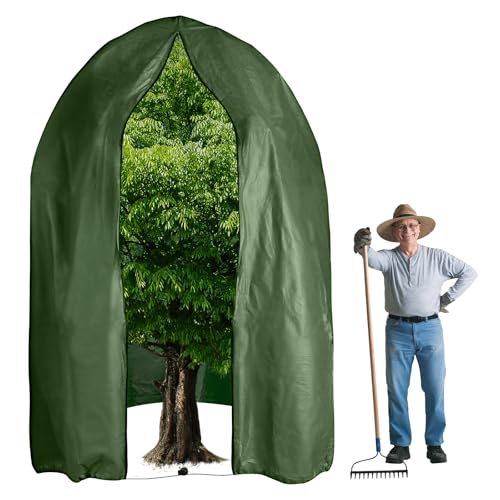
Extra Large Size:Our winter plant covers are designed with a super large size,It is about 110"x79", which is large enough to fit the plants easily, suit for protecting large plants and provides better protection from wind,snow,ice frost damage

Upgrade Rounded Top Plant Covers: The plant covers freeze protection adopt a newly upgraded dome expansion design, creating maximum 3D protective insulation space. It outperforms flat covers of the same size, effectively reducing the risk of branch/leaf breakage, and provides a warm, safe overwintering environment for trees, shrubs, flowers, vegetables, and other outdoor plants in autumn and winter
Early Spring Budding Trees
Certain fruit trees, like peach and apricot trees, bud first. For these trees, budding usually begins between late February and early March.
- Peach Trees: Bud in late February to early March, often before the last frost.
- Apricot Trees: Begin budding in early March, responding quickly to warmer temperatures.
- Cherry Trees: Start budding around early April, closely correlating with increased sunlight.
When nurturing early budding trees, protect them from late frosts with coverings or relocation if possible.
Late Spring Budding Trees
Some fruit trees bud later in spring, typically from mid-April to late May.
- Apple Trees: Bud around mid to late March, with bloom occurring in early May.
- Pear Trees: Begin budding in late April, following apple trees in their growth cycle.
- Plum Trees: Start to bud from late April into May, as temperatures stabilize.
For these late budding trees, monitor soil moisture and ensure adequate sunlight exposure. This vigilance helps maximize growth and fruit production.
Signs of Budding in Fruit Trees
Identifying signs of budding in fruit trees is crucial for effective gardening. The following indicators reveal the onset of budding:
Color Changes
- Buds often shift in color as they prepare for growth. Look for reddish or green hues as the buds awaken from dormancy.
Leaf Development
- As budding progresses, you’ll notice leaves begin to unfurl. This development can occur several days after the buds start to swell.
Flower Formation
- Flowers emerge alongside leaves. Blossoms can range in color, depending on the tree species. For example, apple trees showcase white to pink flowers, while cherry trees bloom in shades of pink.
Sap Flow
- Increased sap flow signifies active growth. You might observe sticky fluid at the base of buds or along tree branches, particularly in maple and birch trees.
Increased Bird Activity
- Birds can become more active around budding time. They often flock to trees where budding occurs, seeking insects and pollen.
Temperature Fluctuations
- A warm spell can trigger budding. Monitor your local temperatures closely; consistent warmth above 50°F encourages tree activity.
Soil Moisture Levels
- Adequate soil moisture fosters healthy buds. Check soil moisture, as dry conditions can hinder budding. Water well if conditions are too dry.
- Inspect Regularly: Check your trees weekly for bud changes.
- Record Weather Patterns: Keep a log of temperature shifts, as they affect budding timing.
- Protect Early Buds: Use frost covers after a warm spell to shield vulnerable flowers from late frost events.
Recognizing these signs helps you better plan your gardening tasks and protect your plants, ensuring a bountiful harvest.
Conclusion
Knowing when your fruit trees bud can make a big difference in your gardening success. By paying attention to temperature light and humidity you can ensure your trees thrive. Keep an eye on the signs of budding and stay proactive about protecting your trees from late frosts.
With the right care and attention you’ll enjoy a fruitful harvest season. So get ready to embrace the beauty of spring as your trees come to life. Happy gardening!
Frequently Asked Questions
When do fruit trees typically begin to bud?
Most fruit trees begin to bud in early spring, typically when temperatures consistently reach between 50°F and 60°F. This timing often aligns with the last frost date, ensuring that new growth is less likely to be damaged.
What factors influence the budding of fruit trees?
Budding is influenced by several factors, including temperature, sunlight, and humidity levels. Increased daylight hours stimulate internal growth processes, while consistent warm temperatures trigger the transition from dormancy to active growth.
Can you give examples of when specific fruit trees bud?
Yes! Peach and apricot trees usually bud between late February and early March, cherry trees around early April, and apple trees from mid to late March. Budding times may slightly vary based on local climate conditions.
How can I protect my fruit trees from late frosts?
To protect early budding trees, consider using frost covers or blankets during unexpected cold snaps. Regularly monitor weather conditions and promptly apply these protective measures when frost is likely.
What are the signs that a fruit tree is budding?
Signs of budding include color changes in buds, the development of new leaves, flower formation, increased sap flow, and increased bird activity around the tree. Regular inspections can help you identify these signs early.
Why is light important for fruit trees?
Light is crucial for fruit trees as it stimulates internal growth processes necessary for budding. Ensuring your trees receive adequate sunlight can enhance their growth and fruit production, especially during the budding phase.
