

Ever wondered if your furry friend can munch on cantaloupe seeds? Picture this: you’re enjoying a juicy slice of cantaloupe on a sunny day, and your curious pup is eyeing those seeds with interest. But, before you toss them a treat, it’s essential to know whether it’s safe for them to eat.
In this article, we’ll explore the question: can dogs eat cantaloupe seeds? You want the best for your loyal companion, and understanding what they can consume is key to their well-being. Stay tuned as we uncover the facts about this popular fruit and its seeds to ensure your pet stays happy and healthy.
Key Takeaways
- Dogs can eat cantaloupe in moderation, but it’s essential to remove the seeds before feeding them.
- Cantaloupe seeds are not toxic to dogs but can pose a choking hazard or lead to digestive issues if consumed in large quantities.
- When offering fruits like cantaloupe to your dog, introduce them gradually and monitor for any adverse reactions.
- Consult with your veterinarian before adding new foods, like cantaloupe, to your dog’s diet, especially if they have underlying health conditions.
Understanding Canine Diet Needs
When it comes to your furry friend’s diet, it’s essential to provide them with the right nutrients for their overall health and well-being. Here’s a breakdown of the basics of a healthy dog diet and how fruits can be incorporated into their meals.
The Basics of a Healthy Dog Diet
Your dog’s diet should consist mainly of high-quality commercial dog food that is suitable for their age, size, and activity level. Look for products that meet the Association of American Feed Control Officials (AAFCO) standards to ensure they contain essential nutrients.
Include a variety of proteins like chicken, beef, or fish in your dog’s meals to support muscle growth and maintenance. Carbohydrates from sources such as brown rice or sweet potatoes can provide energy for your pet throughout the day.
Don’t forget about healthy fats! Omega-3 fatty acids from sources like fish oil help maintain your dog’s skin and coat health. Additionally, fiber-rich foods like vegetables can aid in digestion and keep things running smoothly.
How Fruits Fit Into a Dog’s Diet
While dogs are primarily carnivores, they can enjoy certain fruits in moderation as tasty treats. Fruits like cantaloupe can be a refreshing snack for your pup due to their natural sweetness.
When offering fruits to your dog, always remove any seeds or pits as they may pose choking hazards or contain harmful substances. Cantaloupe itself is safe for dogs to eat in small amounts but make sure to introduce new foods gradually to monitor any adverse reactions.
Remember that fruits should not replace balanced meals but can complement your dog’s diet when given as occasional treats. Always consult with your veterinarian if you have any concerns about adding new foods to your pet’s menu.
Can Dogs Eat Cantaloupe?
Cantaloupe, a refreshing fruit loved by many, can be a delightful treat for your furry friend too. Let’s explore whether it’s safe for dogs to enjoy this juicy fruit and what you need to consider.
Recommended Products
SNEAKY HEALTHY DOG TREATS: Crafted with wholesome pumpkin, these dog treats support digestion and deliver delicious flavor; This makes them a great choice of dog training treat for dog owners who want a nutritious reward for their furry friends!

SNEAKY HEALTHY DOG TRAINING TREATS: These delicious dog treats, with a tempting pumpkin and mango flavor, are perfect for training; They capture your dog’s attention and keep them motivated, making them ideal for sessions with even the pickiest pups

HEALTHY DOG TREATS: Made with wholesome pumpkin, these dog treats promote healthy digestion while delivering a delicious flavor dogs love; They’re an ideal nutritious reward for pet owners seeking tasty, gut-friendly snacks for their furry companions
Health Benefits of Cantaloupe for Dogs
Including cantaloupe in your dog’s diet can offer various health benefits. This fruit is packed with essential nutrients like vitamins A and C, which support your dog’s immune system and overall health. The high water content in cantaloupe can also help keep your pup hydrated, especially during hot weather or after physical activity.
Potential Risks of Cantaloupe in Dogs’ Diet
While cantaloupe can be a healthy snack for dogs when given in moderation, there are some risks to consider. The seeds and rind of the cantaloupe can be difficult for dogs to digest and may cause gastrointestinal issues. Additionally, the seeds pose a choking hazard and should always be removed before feeding cantaloupe to your pet.
Remember that every dog is different, so it’s essential to introduce new foods gradually and monitor how they react. If you’re unsure about adding cantaloupe to your dog’s diet or have any concerns about their nutrition, consulting with your veterinarian is always a good idea.
Focus on Cantaloupe Seeds
When it comes to feeding your furry friend, you might wonder about the safety of cantaloupe seeds. Let’s delve into whether these seeds are safe for dogs and how you can serve this fruit responsibly.
Recommended Products

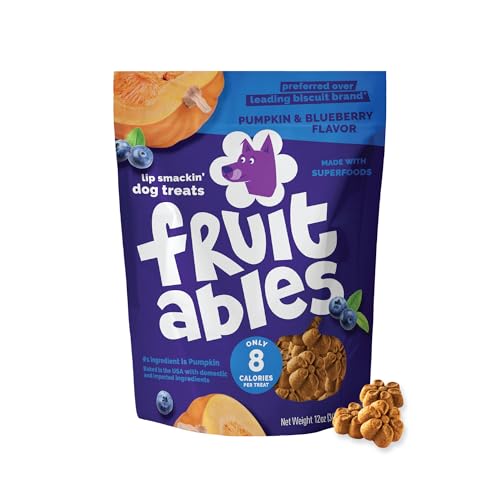
REWARD THEM WITH HEALTHY TREATS: Made with real pumpkin and blueberry, these healthier dog treats deliver balanced nutrition and amazing flavor; A tasty and wholesome way to show your pup love while supporting digestion and everyday well-being

Name: Hales Best Jumbo Melon | Type: Heirloom

A succulent and sweet tasting Melon is in your future and would be an excellent addition to your garden.
Are Cantaloupe Seeds Toxic to Dogs?
Cantaloupe seeds themselves are not toxic to dogs; however, they can pose a choking hazard or lead to digestive issues if consumed in large quantities. The hard outer shell of the seeds may cause obstructions in a dog’s digestive tract, especially if they swallow them whole. To prevent any potential problems, it’s best to remove the seeds before offering your canine companion some cantaloupe.
Safe Ways to Serve Cantaloupe to Dogs
If you decide to share some cantaloupe with your dog, make sure to do so in moderation. Here are some safe ways to serve cantaloupe:
- Remove Seeds: Before giving cantaloupe to your dog, ensure that all seeds are removed.
- Cut into Small Pieces: Cut the fruit into small, bite-sized pieces that are easy for your pet to consume.
- Limit Quantity: While cantaloupe can be a healthy treat for dogs due to its high water content and vitamins A and C, too much of it can upset their stomachs.
- Consult Your Vet: If you have concerns about introducing new foods into your dog’s diet or if your pet has any underlying health conditions, consult with your veterinarian beforehand.
By following these guidelines and being mindful of how you prepare and serve cantaloupe, you can safely incorporate this refreshing fruit into your dog’s diet as an occasional snack.
Preventive Measures and Tips
When it comes to feeding fruits like cantaloupe to your dog, there are some important dos and don’ts you should keep in mind. Ensuring the safety and well-being of your furry friend is paramount, so here are some guidelines for feeding fruits to dogs:
- Do introduce new fruits gradually into your dog’s diet. Start with small amounts to observe any adverse reactions.
- Don’t feed your dog fruits with seeds that could be a choking hazard or cause digestive issues.
- Do remove seeds, pits, and any parts that may not be safe for consumption before offering the fruit to your dog.
- Don’t give your dog access to fruit leftovers such as cores or stems that could pose a risk of ingestion.
By following these simple dos and don’ts when feeding fruits like cantaloupe to your dog, you can ensure their safety and enjoyment while incorporating healthy treats into their diet.
Conclusion
You’ve learned that while cantaloupe seeds are not toxic to dogs, they can present risks like choking and digestive issues. Remember to remove seeds, cut the fruit into small pieces, and consult your vet before feeding it to your furry friend. By taking these precautions, you can safely share a tasty treat with your dog and keep them happy and healthy. Enjoy those sweet moments together!
Frequently Asked Questions
Can dogs eat cantaloupe seeds?
While cantaloupe seeds are not toxic to dogs, they can pose choking hazards and digestive issues if consumed in large quantities. It is recommended to remove the seeds before serving cantaloupe to your dog.
How should I serve cantaloupe to my dog?
To safely serve cantaloupe to your dog, remove the seeds, cut the fruit into small pieces, and limit the quantity offered. It’s advisable to consult your vet before introducing new foods into your dog’s diet.
What precautions should I take when feeding my dog fruits like cantaloupe?
When introducing new fruits like cantaloupe to your dog, do so gradually. Remove any seeds or unsafe parts before serving and avoid giving access to leftover fruit parts that could be harmful.
