

Spraying neem oil on fig trees effectively controls pests and diseases while maintaining organic integrity. This method not only protects your trees but also enhances their overall health, making it essential for any gardener seeking sustainable practices.
Neem Oil Advantages for Fig Tree Health
Using neem oil offers numerous advantages for fig trees. This organic solution acts as a natural pesticide, repelling harmful insects such as aphids, spider mites, and whiteflies. Additionally, it helps combat fungal diseases like powdery mildew and root rot, promoting healthier growth. By incorporating neem oil into your care routine, you can ensure your fig trees thrive without relying on synthetic chemicals.
Recommended Products

FUNGAL DISEASE CONTROL: Prevents and controls black spot on roses, powdery mildew, rust, downy mildew, and other listed fungal diseases when applied on a 7–14 day schedule

3 GARDEN PRODUCTS IN 1: Fungicide, insecticide & miticide kills eggs, larvae & adult stages of insects

PLANT DISEASE CONTROL: Natria Neem Oil acts as an insecticide and fungicide in one convenient spray; Ready-to-use trigger sprayer requires no mixing
Active Compounds in Neem Oil
Neem oil is a natural pesticide derived from the seeds of the neem tree, renowned for its effectiveness in organic gardening. This section delves into the active compounds found in neem oil, highlighting their roles in pest control and plant health, particularly for fig trees. Understanding these compounds can enhance your approach to sustainable gardening practices.
Neem oil contains several active compounds that contribute to its effectiveness. The primary ingredient is azadirachtin, which disrupts the life cycle of pests. Other beneficial components include:
Nimbidin: Provides antifungal properties.
Nimbin: Acts as an insect repellent.
Salannin: Offers additional pest control benefits.
These compounds work synergistically to protect your fig trees from various threats.
Neem Oil Application Techniques for Fig Trees
Applying neem oil to fig trees is a vital step in maintaining their health and vitality. This section outlines effective techniques for using neem oil, ensuring optimal absorption and protection against pests and diseases. By following these methods, you can enhance the resilience of your fig trees while adhering to organic gardening practices.
Proper application of neem oil is crucial for achieving optimal results. Follow these steps to ensure effective treatment:
Choose the Right Neem Oil: Select a high-quality, cold-pressed neem oil for better efficacy.
Dilute the Oil: Mix 2 tablespoons of neem oil with 1 gallon of water. Add a few drops of liquid soap to help emulsify the mixture.
Test on a Small Area: Before full application, test the solution on a small section of the tree to check for adverse reactions.
Spray the Trees: Use a spray bottle or garden sprayer to evenly coat the leaves, stems, and soil around the base.
Optimal Neem Oil Application Timing
Timing is crucial when applying neem oil to fig trees to ensure maximum effectiveness against pests and diseases. Understanding the optimal moments for application can significantly enhance the health of your trees and yield a bountiful harvest. This section outlines the best times to spray neem oil for optimal results.
Timing your neem oil application is essential for success. The best times to spray include:
Early morning or late afternoon to avoid direct sunlight.
After rain to ensure the solution adheres to the foliage.
Every 7-14 days during pest outbreaks or disease conditions.
Neem Oil Application Safety Guidelines
While neem oil is generally safe, taking precautions is important. Wear gloves and a mask during application to avoid skin irritation and inhalation of mist. Ensure pets and children are kept away from treated areas until the solution dries completely.
Neem Oil Application Challenges
Applying neem oil to fig trees can present several challenges that gardeners should be aware of. Factors such as timing, weather conditions, and the specific needs of the trees can influence the effectiveness of neem oil treatments. Understanding these challenges is essential for ensuring optimal results in pest management and overall plant health.
Occasionally, you may encounter challenges when using neem oil. Here are some common issues and their solutions:
| Problem | Solution |
|---|---|
| Leaves show discoloration | Reduce concentration of neem oil in the mixture. |
| Pests persist after treatment | Increase frequency of application. |
| Fungal issues remain | Ensure thorough coverage and consider rotating with other organic treatments. |
Inspect Fig Trees for Pests and Diseases
Regularly inspecting fig trees for pests and diseases is crucial for maintaining their health and productivity. By identifying issues early, you can take appropriate action to protect your trees from damage. This proactive approach ensures that your fig trees thrive and produce abundant fruit throughout the growing season.
Regular monitoring is vital for maintaining the health of your fig trees. Inspect leaves and branches for signs of pests or disease. Early detection allows for prompt action, minimizing damage and improving the effectiveness of treatments.
Complementary Organic Solutions for Fig Trees
In addition to using neem oil, there are several complementary organic solutions that can enhance the health and vitality of fig trees. These methods not only support pest management but also promote overall growth and fruit production. Exploring these strategies will help you cultivate a thriving fig tree ecosystem.
In addition to neem oil, consider integrating other organic solutions to enhance your fig tree care. Some effective options include:
Insecticidal soap: Targets soft-bodied insects without harming beneficial organisms.
Diatomaceous earth: Acts as a physical barrier against crawling pests.
Garlic spray: Repels insects and can deter larger pests.
Combining these methods can create a robust defense system for your fig trees.
Recommended Products
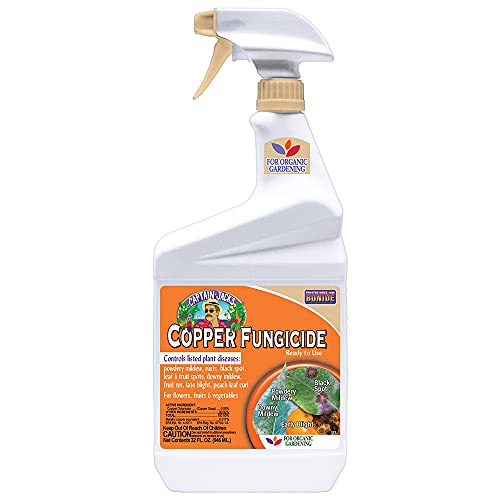
Control fungus and disease in your garden with Captain Jack’s ready-to-use Liquid Copper Fungicide!
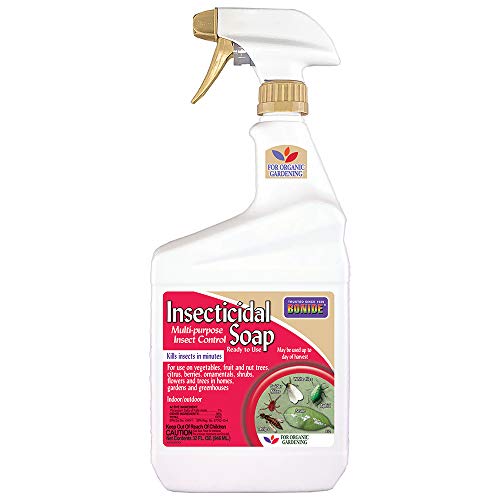
Captain Jack's Insecticidal Super Soap controls species of adelgid, ant, aphid, borer, caterpillar, spider mite, cricket, chinch bug, weevil, fly, thrip, and more

READY-TO-USE CONTACT SPRAY: No mixing required. Thoroughly spray insecticide on all plant parts, including the underside of leaves. Pests must be sprayed directly to achieve control
Assessing Fig Tree Growing Conditions
Understanding the growing conditions of fig trees is crucial for their health and productivity. Factors such as soil type, sunlight exposure, and moisture levels play significant roles in determining how well these trees thrive. By assessing these conditions, you can better tailor your care practices, including the application of neem oil for pest management.
Environmental conditions play a significant role in the health of your fig trees. Factors to consider include:
Soil quality: Ensure well-draining soil rich in organic matter.
Watering practices: Maintain consistent moisture without waterlogging.
Sunlight exposure: Ensure fig trees receive adequate sunlight for optimal growth.
By addressing these factors, you can further enhance the effectiveness of neem oil and other treatments.
Neem Oil Application Strategies for Fig Trees
Effective application of neem oil can significantly enhance the health of fig trees by controlling pests and diseases. This section outlines various strategies for applying neem oil, ensuring optimal absorption and protection for your trees. By following these methods, you can maintain a thriving fig tree ecosystem while adhering to organic gardening practices.
Regularly apply neem oil as part of your fig tree care routine. Monitor for pests and diseases, and adjust your treatment strategy as needed. Incorporate other organic methods to create a comprehensive care plan.
