

Ever wondered how long a calamansi tree can keep producing those tangy little fruits? If you’ve got one in your garden or are thinking about planting one, you’re not alone. Many people love the idea of having fresh calamansi at their fingertips, but figuring out how long it’ll bear fruit can be tricky.
Key Takeaways
- Calamansi trees bear fruit approximately 2 to 3 years after planting and can continue producing for up to 20 years.
- Peak fruit production usually occurs between years 5 to 7 of the tree’s lifespan.
- Optimal growing conditions for calamansi trees include well-drained, sandy to loamy soil and temperatures between 70°F to 90°F, along with 6 to 8 hours of sunlight daily.
- Regular care practices, such as yearly pruning, balanced fertilization, and consistent watering, enhance fruit yield and tree health.
- Monitoring for pests and diseases is crucial for maintaining fruit quality and ensuring healthy production.
- Harvest calamansi in the morning using clean tools, and handle the fruits gently to preserve freshness and flavor.
Understanding Calamansi Trees
Calamansi trees, known scientifically as Citrus microcarpa, thrive in tropical and subtropical climates. These trees produce small, round fruits that boast a tangy flavor, making them popular in various culinary uses.
Growth and Development
You can expect calamansi trees to reach maturity within 2 to 3 years after planting. Optimal growth occurs in well-drained, sandy to loamy soil, rich in organic matter. Regular watering and sunlight help enhance fruit production.
Fruit Bearing Timeline
Typically, a calamansi tree begins to bear fruit approximately 2 to 3 years after planting. Fruiting continues throughout the tree’s lifespan, which can last up to 20 years or more. Although the tree reaches peak production around years 5 to 7, it still yields fruit steadily until around year 15.
Environmental Conditions
Calamansi trees thrive in warm temperatures, preferring 70°F to 90°F. They require adequate sunlight, needing at least 6 to 8 hours daily. You’ll notice decreased fruit yield if temperatures drop below 50°F.
- Watering: Water regularly, ensuring the soil remains moist but not soggy.
- Pruning: Prune annually to remove dead or overcrowded branches, promoting air circulation.
- Fertilizing: Use a balanced fertilizer high in nitrogen every 4 to 6 weeks during the growing season.
- Pest Management: Monitor for pests like aphids and spider mites. Use organic insecticides when necessary.
By understanding the unique characteristics and care requirements of calamansi trees, you can maximize their fruit-bearing potential, ensuring a steady supply of fresh calamansi for years to come.
Ideal Growing Conditions
Calamansi trees thrive under specific conditions that support healthy growth and fruit production. To enjoy a bountiful harvest, ensure the following conditions are met.
Soil Requirements
Calamansi trees prefer well-drained soil, ideally sandy to loamy. This type of soil retains necessary moisture while preventing root rot. Aim for a soil pH between 6.0 and 7.0 for optimal nutrient absorption. Enrich the soil by mixing in organic matter, such as compost or aged manure, to improve fertility and drainage. Regular testing of soil composition helps adjust nutrients as needed.
Climate Preferences
Calamansi trees flourish in warm climates, with ideal temperatures ranging from 70°F to 90°F. They require 6 to 8 hours of sunlight daily for vigorous growth and fruit development. Protect your tree from frost, which can damage young leaves and flowers. If you live in a cooler area, consider growing your calamansi tree indoors or in a greenhouse to maintain an optimal temperature and humidity level. Regularly monitor humidity, keeping it between 50% and 70%, to promote a healthy growing environment.
Fruit Bearing Timeline
Calamansi trees start producing fruit within a few years of planting. Understanding the stages of fruit development helps maximize yield and manage expectations.
Recommended Products
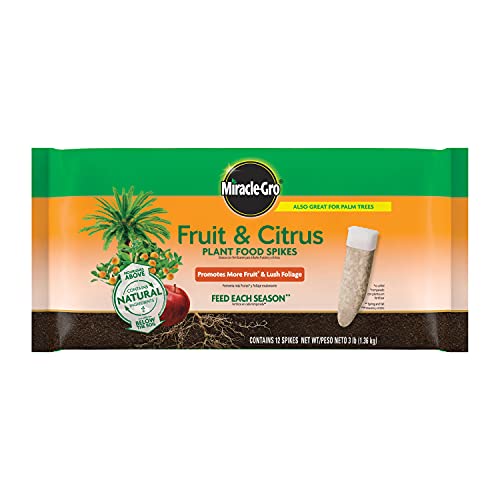
FORMULATED FOR CITRUS AND FRUIT TREES: Use these citrus fertilizer spikes on apple, orange, lemon, lime, and avocado trees; this formula is also great for feeding palm trees

Made for Lemon & Citrus Trees – Formulated to support healthy growth in lemon and citrus plants.

Package contains 4 Pounds organic fruit and citrus fertilizer grains and is produced to avoid wasteful runoff, mess, hazards and smells
Initial Blossom Stage
Calamansi trees enter the initial blossom stage approximately 2 to 3 years after planting. During this period, you’ll notice fragrant white flowers emerge. These flowers attract pollinators, which play a crucial role in fruit set. When conditions are ideal, such as proper sunlight and moisture, the flowers usually yield fruit within a few months. Monitoring the flowering process ensures you’re ready for upcoming fruit production.
Mature Fruit Development
Once the flowers are pollinated, mature fruit development begins. This stage lasts around 5 to 7 months, where you’ll see small green fruits gradually growing. In peak years, calamansi trees can bear an abundance of fruit—often several hundred at once. Harvesting typically occurs from late spring to early fall, depending on your climate. To promote healthy fruit, ensure adequate watering and nutrition during this period. Regularly checking for pests also helps maintain fruit quality and quantity.
Factors Affecting Fruit Production
Understanding the factors affecting fruit production in your calamansi tree is vital for maximizing its yield. Here are key elements to consider.
Tree Age
Tree age significantly impacts fruit production. Young calamansi trees, around 2 to 3 years old, typically start bearing fruit. Production peaks between years 5 to 7, offering the highest yield. Trees can continue fruiting for 20 years or more with proper care.
Environmental Factors
Environmental factors play a crucial role in fruiting. Warm temperatures between 70°F and 90°F are ideal for growth. Ensure your tree gets 6 to 8 hours of sunlight daily. Well-drained soil with a pH level of 6.0 to 7.0 enhances nutrient absorption. Protect your tree from frost and maintain humidity levels at 50% to 70% to encourage healthy growth.
Care and Maintenance
Care and maintenance directly influence fruit production. Regular watering keeps the soil moist but not saturated. Prune yearly to promote healthy growth and air circulation. Use a balanced fertilizer to provide essential nutrients. Monitor for pests and diseases, as they can diminish fruit yield. Sustainable practices, such as organic fertilizers and natural pest control, help maintain long-term productivity.
Harvesting Calamansi
Harvesting calamansi is an essential step to enjoy its fresh, tangy flavor. Proper harvesting techniques ensure the fruit’s quality and encourage further production.
Best Practices for Harvesting
- Use sharp, clean tools. Scissors or pruning shears work best for cutting the fruit.
- Harvest in the morning. This time offers cooler temperatures, which helps preserve fruit quality.
- Handle the fruit gently. Avoid squeezing or dropping them to prevent bruising.
- Collect ripe fruits regularly. This practice encourages the tree to produce more fruit.
- Store harvested calamansi properly. Keep them in a cool, dry place to extend their shelf life.
- Look for a glossy skin. Ripe calamansi have a shiny exterior that indicates readiness.
- Check the color. The fruit typically turns from dark green to bright yellow or orange when ripe.
- Squeeze gently. Ripe calamansi yield slightly without excessive pressure.
- Observe the size. Mature fruit tends to be about 1 to 2 inches in diameter.
- Notice the fragrance. Ripe calamansi emit a strong, citrus scent.
These guidelines help ensure you enjoy the best flavor and quality from your calamansi tree.
Conclusion
Growing a calamansi tree can be a rewarding experience that brings fresh flavors right to your kitchen. With proper care and attention your tree can bear fruit for many years. By understanding its needs and maintaining the right conditions you can enjoy a bountiful harvest.
Remember that patience is key as your tree matures and starts producing. Once it hits its peak production years you’ll likely find yourself with an abundance of those tangy little fruits. So keep nurturing your tree and soon you’ll be reaping the delicious rewards. Enjoy the journey of growing your calamansi tree and all the culinary possibilities it offers!
Frequently Asked Questions
How long do calamansi trees produce fruit?
Calamansi trees typically begin fruiting 2 to 3 years after planting and can continue to bear fruit for 20 years or more. Peak production usually occurs between years 5 to 7.
What are the ideal growing conditions for calamansi trees?
Calamansi trees thrive in well-drained, sandy to loamy soil with a pH of 6.0 to 7.0. They prefer temperatures between 70°F to 90°F, receive 6 to 8 hours of sunlight daily, and require humidity levels between 50% and 70%.
How should I care for my calamansi tree?
Regular care practices include adequate watering, annual pruning, balanced fertilization, and pest management. Ensuring the tree is protected from frost and maintaining appropriate humidity levels will promote healthy growth and fruit production.
When is the best time to harvest calamansi fruits?
The best time to harvest calamansi is from late spring to early fall, when the fruits turn bright yellow or orange and have glossy skin. It’s best to harvest in the morning using sharp, clean tools to prevent bruising.
What signs indicate ripe calamansi fruit?
Ripe calamansi fruit typically shows glossy skin, a color change from dark green to bright yellow or orange, slight yield when squeezed, and a strong citrus scent. Ripe fruits are usually 1 to 2 inches in diameter.
