

Have you ever wondered when your fig tree will finally reward you with its sweet, luscious fruit? If you’ve planted one or are thinking about it, you might be eager to know what to expect. Fig trees can be a bit tricky, and understanding their fruiting timeline can make all the difference in your gardening experience.
Key Takeaways
- Fig trees generally start producing fruit between 2 to 5 years after planting, depending on the variety and conditions.
- Common types of fig trees include Common Figs, Kadota Figs, Black Mission Figs, and Brown Turkey Figs, each with unique fruiting times.
- Optimal growing conditions include at least 6 hours of sunlight daily, well-draining loamy soil, regular watering, and protection from frost.
- Proper pruning and balanced fertilization are essential to enhance fruit production and maintain overall tree health.
- Signs of ripe figs include color change, slight softness when squeezed, and a sweet aroma; harvest them carefully to avoid damaging the tree.
- Store harvested figs in a single layer in the refrigerator to maintain freshness for up to a week.
Understanding Fig Trees
Fig trees thrive in warm climates and can produce fruit in specific conditions. Knowing their characteristics helps you grow them successfully.
Recommended Products

100% Natural: Custom blend for Fiddle Leaf Fig Tree (Lyre Leaf Fig Tree); no artificial ingredients

All Purpose Mix; Nutrient Enrichment & Drainage Control for Fiddle Leaf Fig Trees & All Other Indoor Houseplants
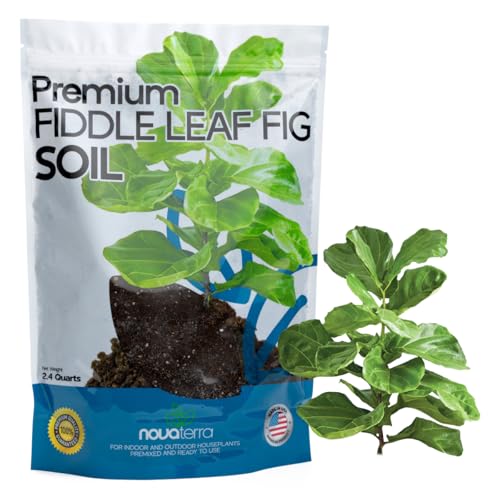
FIDDLE LEAF FIG SOIL: Premixed, ready-to-use blend formulated for Ficus lyrata. Supports healthy roots with balanced moisture retention and excellent drainage.
Types of Fig Trees
Common types of fig trees include:
- Common Figs: The most common variety grown in backyards. They typically produce fruit in late summer.
- Kadota Figs: Known for their light green skin and sweet flavor, these figs mature in late summer to early fall.
- Black Mission Figs: This variety boasts dark purple skin and rich flavor. It’s often harvested in late summer.
- Brown Turkey Figs: Adaptable to cooler climates, these figs mature in late summer to fall, providing a reliable yield.
Growing Conditions
Fig trees prefer warm temperatures, well-draining soil, and plenty of sunlight. Follow these tips to ensure optimal growth:
- Sunlight: Aim for at least 6 hours of direct sunlight each day. This encourages healthy fruit development.
- Soil: Use loamy, well-draining soil for optimal root health. Avoid heavy clay or overly compacted soils.
- Watering: Water regularly, especially during dry spells. Once established, fig trees tolerate drought better than many other fruit trees.
- Fertilization: Use balanced fertilizer during the growing season. This boosts growth and enhances fruit quality.
- Temperature: Protect trees from frost and extreme cold. Some varieties need warmer environments to thrive.
Understanding these factors lays the foundation for successful fig tree cultivation.
When Do Fig Trees Produce Fruit?
Fig trees typically produce fruit after they’re well established. Most fig trees start bearing fruit in 2 to 3 years under proper conditions, but it may take up to 4 to 5 years for some varieties. Understanding their fruiting timeline helps you manage expectations and plan for harvest.
Recommended Products
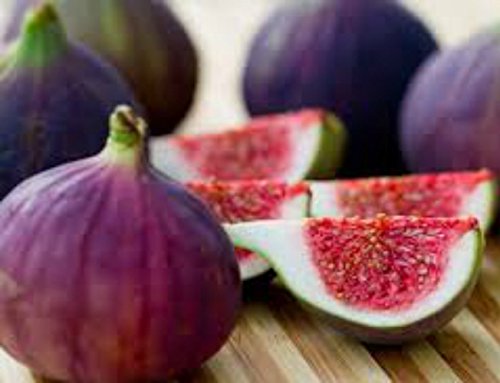
The price includes Four (4) "Violette de Bordeaux" Fig Trees with USPS Shipping. These 2 inch rooted plants shipped in a 2 inch tray pots. The plants are at least 2-5 inches tall.

MULTIPLE VARIETIES AVAILABLE: Premium fig tree varieties including Brown Turkey, Celeste, Chicago Hardy, and Black Mission depending on availability, all producing sweet, delicious figs for fresh eating or drying
Not Available for Sell in WA, USA
General Timeline
- Early Fruiting: In warm climates, certain varieties like Brown Turkey can produce fruit as early as early summer.
- Mid-Season: Common Figs often produce two crops: a smaller breba crop in late spring and the main harvest in late summer to early fall.
- Late Fruiting: Kadota Figs typically mature later in the season, around late summer to early fall, depending on the climate.
- Climate: Fig trees thrive in warm, temperate climates. Higher temperatures encourage better fruit set.
- Variety: Different fig types, such as Black Mission and Kadota, have varying fruiting times and characteristics.
- Soil Conditions: Well-draining, fertile soil promotes healthy growth and fruit production. pH levels also play a role; figs prefer slightly acidic to neutral soil.
- Watering Practices: Consistent watering, especially during dry spells, impacts fruit development. Irregular water can lead to fruit drop.
- Pruning: Proper pruning enhances air circulation and sunlight exposure, essential for fruit production.
- Fertilization: Balanced fertilization fosters growth but should be approached cautiously, as excessive nitrogen can lead to lush foliage with fewer fruits.
This information equips you with the necessary insights to maximize your fig tree’s fruit production based on specific needs and preferences.
Harvesting Fig Fruits
Harvesting figs requires attention to detail. Knowing when and how to pick figs ensures the best flavor and quality.
Recommended Products

HERB GARDENING ESSENTIAL: Stainless steel blade plant shears with sheath ideal for harvesting herbs outdoors or with a window herb garden for kitchen; encourages overall lawn and garden health, or perfect gift to go with any indoor herb garden kit

【ANTI-SLIP HANDLE DESIGN】: The two-color anti-slip handle of the fruit pruning shears is ergonomically designed made of high purity PP+TRP secondary injection molding. Garden Pruning Shears handle is comfortable to grip and save energy. Garden shears has strong toughness and strength, which provides a strong grip and toughness for long-term use.

SECURE & EASY TO LOCK: Our garden shears have a safety locking mechanism to keep the sharp blades securely closed when not in use, and can effectively reduce accidental injuries. It's a perfect design.
Signs of Ripeness
- Color Change: Ripe figs change color, depending on the variety. Common Figs turn purple or brown, while Kadota Figs become yellow.
- Softness: Gently squeeze the fig. A ripe fig feels slightly soft but retains its shape. If it’s hard, it’s not ready.
- Dropping Figs: Figs drop from the tree when ripe. This occurs about one to two days before you should pick them.
- Aromatic Fragrance: Ripe figs emit a sweet, fruity aroma. This scent can indicate maturity.
- Use Clean Tools: Use sanitized scissors or garden shears to prevent damaging the tree or introducing diseases.
- Harvest in the Morning: Pick figs in the morning when temperatures are cooler. This prevents excess moisture loss.
- Twist Carefully: Grasp the fig gently and twist it to detach. Avoid pulling, as this can harm the tree.
- Check for Insects: Inspect each fig for pests, like wasps or ants. Clean any affected fruit before consumption.
- Store Properly: Place figs in a single layer in a shallow container. Refrigerate them for up to a week to maintain freshness.
Incorporating these practices into your harvesting routine helps ensure your figs taste their absolute best.
Conclusion
Growing fig trees can be a rewarding experience when you know what to expect. With a little patience and care your trees will eventually bear delicious fruit. Remember that the timeline for fruiting can vary depending on the variety and the conditions you provide.
By understanding the needs of your fig trees and following the right practices you can enjoy a bountiful harvest. Keep an eye on those signs of ripeness and you’ll be ready to savor the sweet rewards of your efforts. Happy gardening and may your fig trees thrive!
Frequently Asked Questions
When do fig trees start to produce fruit?
Fig trees typically start bearing fruit within 2 to 3 years after planting. Some varieties, however, may take longer, around 4 to 5 years, before producing fruit.
What are the best growing conditions for fig trees?
Fig trees thrive in warm, temperate climates with well-draining, slightly acidic to neutral soil. They also require consistent watering and proper pruning to grow well and produce fruit.
What types of fig trees are commonly grown?
Common fig trees include Common Figs, Kadota Figs, Black Mission Figs, and Brown Turkey Figs. Each variety has its unique fruiting timeline and characteristics.
How often do fig trees produce fruit?
Certain fig varieties, like the Common Fig, can produce two crops in a season, while others, such as the Brown Turkey, may bear fruit starting early summer.
What should I look for when harvesting figs?
When harvesting figs, check for signs of ripeness like color change, softness, and a fragrant aroma. Figs should be picked when fully ripe for the best flavor.
How should I store freshly harvested figs?
To maintain freshness, store figs in a cool place or in the refrigerator. Keep them in a breathable container and consume them within a few days for the best taste.
