

Have you ever wondered how long you can enjoy the sweet rewards of your cherry tree? If you’re thinking about planting one or already have a few in your garden, knowing their fruit-bearing lifespan can help you plan for the future.
Cherry trees are not just beautiful to look at; they also provide delicious fruit for years to come. But how many years can you expect those lovely blossoms to turn into juicy cherries? In this article, you’ll discover the typical lifespan of cherry trees when it comes to fruit production. You’ll also learn tips on how to maximize their yield, ensuring your tree remains a fruitful addition to your garden for as long as possible.
Key Takeaways
- Cherry trees typically start producing fruit 3 to 5 years after planting, with variations depending on species and growing conditions.
- Optimal fruit production occurs between 5 to 10 years after initial fruiting, lasting for approximately 15 to 20 years overall.
- Factors impacting fruit yield include tree variety, pollination requirements, and environmental conditions such as soil quality, sunlight, and water availability.
- Regular maintenance practices, such as proper watering, fertilizing, and pruning, are essential for maximizing cherry tree productivity.
- Cross-pollination from compatible varieties can enhance fruit set, so consider planting multiple cherry trees if possible.
Understanding Cherry Trees
Cherry trees, belonging to the genus Prunus, are renowned for their beautiful blossoms and sweet fruit. These trees typically begin to produce fruit about 3 to 5 years after planting, depending on the variety and growing conditions. For instance, some dwarf cherry tree varieties may bear fruit a year earlier than standard-sized trees.
Recommended Products

Plant pollinator-- this tool is designed to be compatible with different types of crops, including hybrids, exotic species, and varieties,fruits pollination
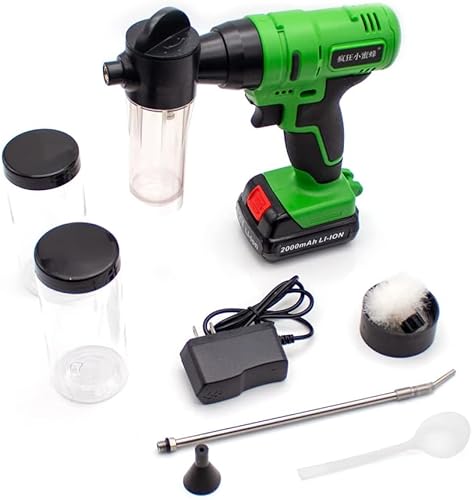
Powder quantity adjustment: constant air speed regulation
Not Available for Sell in WA, USA
Lifespan of Fruit Production
Cherry trees can produce fruit for 15 to 20 years, with optimal yields often occurring between 5 and 10 years after they start bearing fruit. Maintaining proper care during this period proves essential for ensuring consistent and abundant harvests.
Factors Affecting Fruit Production
Several factors influence how well your cherry trees produce fruit:
- Variety: Different cherry tree types, such as sweet or sour cherries, have varied fruit-bearing timelines.
- Pollination: Many cherry trees require cross-pollination from another tree for optimal fruit set. Ensure you plant compatible varieties nearby.
- Growing Conditions: Full sun, well-draining soil, and proper watering promote healthy growth and fruit production.
- Pruning: Regular pruning improves airflow and sunlight exposure, leading to better fruit development.
Practical Tips for Maximizing Yield
To boost your cherry tree’s productivity, consider the following tips:
- Choose the Right Variety: Select a variety suited to your climate and intended use.
- Provide Adequate Space: Space trees adequately to prevent overcrowding and competition for resources.
- Water Wisely: Deep, infrequent watering encourages root growth. Avoid waterlogging.
- Use Fertilizers: Apply balanced fertilizers during the growing season to promote healthy foliage and fruit.
- Monitor for Pests: Regularly check for pests and diseases. Early intervention can prevent damage to the fruit.
By understanding the growth patterns and care requirements of cherry trees, you can enjoy a fruitful harvest for many years.
Factors Affecting Fruit Production
Several factors affect how well cherry trees produce fruit. Understanding these elements helps you maximize your harvest over the years.
Recommended Products

Kindly NOTE: This soil tester can not be applied to test pH value of any other liquid. If the soil is too dry the indicator will not move, and water it before testing.

KNOW BEFORE YOU GROW | Grow the healthiest, sustainable lawn and garden with the most accurate and easy to use professional soil test kit on the market

Accurate Soil pH Testing: Dewildetradingco Soil pH Test Strips offer measurements of soil pH levels (pH 3.5-9). As an essential tool for every gardener and grower, these test strips help determine the optimal pH for various plants, such as outdoor plants, indoor plants, gardens, grass lawns, fruit trees, flowers, vegetables, and forest shrubs.
Species of Cherry Trees
Different species of cherry trees yield fruit at varying rates and qualities. Sweet cherries, like Bing and Rainier, often produce fruit by 4 to 7 years. Sour cherries, such as Montmorency, typically start bearing fruit around 3 to 5 years. Knowing your tree’s species allows you to set realistic expectations for fruit production.
Growing Conditions
Proper growing conditions significantly influence fruit production. Factors like soil quality, sunlight, climate, and water availability play vital roles.
- Soil Quality: Cherry trees prefer well-draining, nutrient-rich soil. Test your soil’s pH; it should range from 6.0 to 7.0. Amending the soil with organic matter can enhance fertility.
- Sunlight: Full sun exposure is crucial. Aim for at least six hours of direct sunlight daily to support healthy growth and fruit development.
- Climate: Cherry trees thrive in regions with distinct seasons. They require chilling hours in winter but need protection from late frosts in spring.
- Water Availability: Regular watering ensures trees remain hydrated. During dry spells, provide 1 to 2 inches of water weekly, especially as fruits develop.
By considering these factors, you can create an environment that supports abundant cherry production.
Timeline of Fruit Production
Cherry trees typically follow a predictable timeline for fruit production. Knowing this timeline helps you anticipate when to enjoy your cherry harvest.
Young Cherry Trees
Young cherry trees generally start producing fruit about 3 to 5 years after planting. Sweet cherry varieties like Bing and Rainier may take 4 to 7 years before you see the first fruits. Proper care during these early years, such as consistent watering and fertilization, supports healthy growth. You might consider planting more than one tree to enhance cross-pollination, boosting fruit yields.
Mature Cherry Trees
Mature cherry trees reach their peak production between 5 and 10 years. During this time, they yield the highest volume of fruit, allowing for plentiful harvests. Expect about 20 to 30 pounds of cherries from a mature sweet cherry tree. Proper maintenance during these years, including regular pruning, can significantly affect the amount and quality of fruit. Harvests usually continue for 15 to 20 years, assuming you maintain optimal growing conditions.
Maintenance for Optimal Yield
Maintaining cherry trees requires attention to several key factors that affect their fruit production. Following these guidelines helps ensure healthy trees and bountiful harvests.
Soil Management
- Choose well-draining, nutrient-rich soil with a pH of 6.0 to 7.0.
- Test soil annually to monitor nutrient levels.
- Amend soil with organic matter, like compost, to improve fertility.
Sunlight Requirements
- Ensure your trees receive at least six hours of direct sunlight daily.
- Position trees where they can avoid shading from buildings or other plants.
- Prune any nearby vegetation that blocks sunlight.
Watering Practices
- Water trees deeply during dry spells, especially in the first few years.
- Use mulch around the base to retain moisture and regulate temperature.
- Adjust watering frequency based on rainfall; avoid overwatering.
Fertilization
- Apply a balanced fertilizer in early spring as buds begin to swell.
- Follow package instructions for application rates and timing.
- Avoid excessive fertilizer; this can lead to poor fruit sets.
Pruning Techniques
- Prune trees annually to promote airflow and sunlight penetration.
- Remove dead or diseased branches and any crowding growth.
- Shape trees to maintain a balanced structure, enhancing fruit yield.
Pest and Disease Control
- Regularly inspect your trees for signs of pests like aphids or spider mites.
- Use organic insecticides if necessary, following label instructions.
- Monitor for fungal diseases and apply fungicides during wet conditions as needed.
- Plant compatible cherry varieties nearby to enhance cross-pollination.
- Understand that some cherry varieties are self-pollinating, while others require pollinators.
Adhering to these maintenance practices supports optimal yield from your cherry trees. As you invest time and effort into caring for them, expect healthier growth and richer fruiting seasons.
Conclusion
You can look forward to enjoying the fruits of your cherry trees for many years with the right care. By understanding when your trees will start producing and how to maintain them, you’ll set yourself up for a bountiful harvest. Remember that each tree variety has its quirks and needs, so tailoring your approach will make all the difference.
With patience and attention, your cherry trees can reward you with delicious fruit for 15 to 20 years. So get ready to savor those sweet and tangy cherries while creating wonderful memories in your garden. Happy gardening!
Frequently Asked Questions
How long does it take for cherry trees to bear fruit?
Cherry trees typically start producing fruit between 3 to 5 years after planting. Sweet varieties like Bing and Rainier may take 4 to 7 years, while sour cherries like Montmorency begin around 3 to 5 years.
What is the peak fruit production period for cherry trees?
Optimal fruit production occurs between 5 and 10 years after planting. During this time, mature cherry trees can yield about 20 to 30 pounds of cherries annually.
How long can cherry trees produce fruit?
With proper care, cherry trees can produce fruit for 15 to 20 years. Regular maintenance is essential to ensure consistent harvests over the years.
What factors affect the fruit production of cherry trees?
Factors influencing fruit production include the tree variety, the necessity for cross-pollination, growing conditions, soil quality, sun exposure, and regular pruning.
How can I maximize my cherry tree yield?
To maximize yield, select the right cherry variety, provide adequate space, water wisely, fertilize appropriately, conduct regular pruning, and monitor for pests.
What are the ideal growing conditions for cherry trees?
Cherry trees thrive in well-draining, nutrient-rich soil with a pH of 6.0 to 7.0, at least six hours of direct sunlight daily, and consistent watering, especially during dry periods.
Why is cross-pollination important for cherry trees?
Cross-pollination can enhance fruit production, especially for certain cherry varieties. Planting compatible varieties nearby can significantly increase yield.
What are some common maintenance practices for cherry trees?
Key maintenance practices include choosing the right soil, ensuring adequate sunlight, deep watering during dry spells, applying balanced fertilizers, and regular pruning to promote healthy growth.
