

Have you ever walked outside to find your fruit trees stripped of their precious bounty? You’re not alone. Many gardeners face the challenge of keeping rats at bay, especially when their delicious fruits are ripe for the picking.
Key Takeaways
- Understanding Attraction: Rats are drawn to fruit trees primarily for food (overripe or fallen fruits), shelter provided by dense foliage, and water availability during dry periods.
- Signs of Infestation: Look for key indicators of rat presence, including chewed fruit, droppings, and gnaw marks on tree bark.
- Removal of Food Sources: Promptly collecting fallen fruits, managing vegetable patches, securing birdseed, and proper trash disposal can significantly reduce rat attraction.
- Implementing Barriers: Physical barriers such as tree guards, fencing, and netting are effective methods to prevent rat access to fruit trees.
- Utilizing Deterrents: Chemical repellents and natural deterrents like cats and birds of prey can help keep rats at bay and control their populations.
- Regular Maintenance: Conduct regular inspections and maintain a clean garden environment to identify signs of rat activity and eliminate potential nesting sites.
Understanding The Problem
Rats often target fruit trees due to the abundance of food. They not only consume the fruit but can damage the trees in the process. Understanding why this happens helps in forming effective prevention strategies.
Common Reasons Rats Are Attracted to Fruit Trees
- Food Source: Overripe or fallen fruit provides an easy meal.
- Shelter: Dense foliage and tree canopies offer a safe place to nest and hide.
- Water Availability: Trees may provide moisture, especially in dry areas.
Signs of Rat Infestation
- Chewed Fruit: Look for signs of gnawing on fruit.
- Droppings: Small, dark pellets near the base of trees indicate a rat presence.
- Gnaw Marks: Observe for bite marks on tree bark or branches.
- Reduced Yield: Rats can significantly decrease the amount of fruit available for harvest.
- Tree Health: Continuous feeding can weaken trees, making them more susceptible to disease.
- Pest Attraction: Rats often attract other pests, compounding your garden problems.
Recognizing these factors creates a foundation for effective strategies to keep rats away from your precious fruit trees.
Common Attractants For Rats
Rats are naturally drawn to certain food sources and conditions in your garden. Understanding these attractants helps you take action to keep them away from your fruit trees.
Types Of Fruits That Attract Rats
Rats find many fruits appealing. Here are some specific examples:
- Apples: Fallen or overripe apples attract rats, providing easy access to food.
- Berries: Ripe berries, like strawberries and blueberries, are highly enticing.
- Peaches: Sweet, softened peaches offer a delicious treat for rats.
- Cherries: Fallen cherries are a quick snack for these pests.
- Grapes: Grapes, especially when ripe, create an irresistible feast.
Make sure to collect fallen fruit promptly to deter rats.
Other Food Sources In The Garden
Besides fruit, several other food sources may attract rats. These include:
- Vegetables: Overripe vegetables, like squash and tomatoes, can lure rats into your garden.
- Seeds: Birdseed and vegetable seeds left unprotected are a magnet for rats.
- Compost: Compost piles, especially those containing food scraps, provide a buffet for rats.
- Pet Food: Leaving pet food outdoors invites not only rats but other pests as well.
- Trash: Open trash cans or compost bins can attract rats searching for food.
By eliminating these food sources, you minimize the risk of rats infesting your fruit trees.
Effective Methods To Keep Rats Off Fruit Trees
You can use several effective methods to keep rats off your fruit trees and protect your harvest.
Recommended Products

Effective Fruit Tree Netting: Premium Garden netting creates a barrier to protect your fruit trees, blueberries, apples, tomatoes, and berries, ensure the health and abundance of your garden; Bugs, Insects, aphids, Cicadas, birds, chickens, and squirrels will stay away from your trees
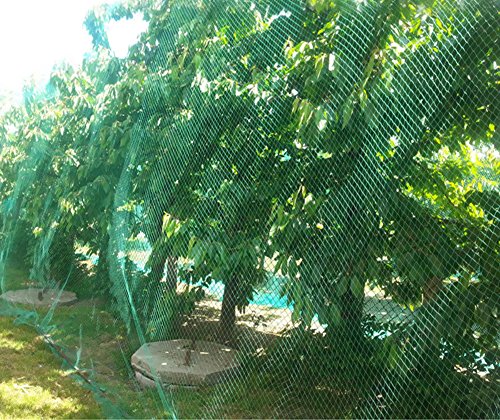
Excellent Material & Quality: Our bird netting is made of strong and durable PE with high stretch, light-weight but not tear easily; It is anti-UV and tough enough to withstand the effects of the sun and bad weather conditions, so you can use the garden netting repeatedly until the end of the season; The size of the poultry netting mesh refers to the measured length straightened from the far left to the far right
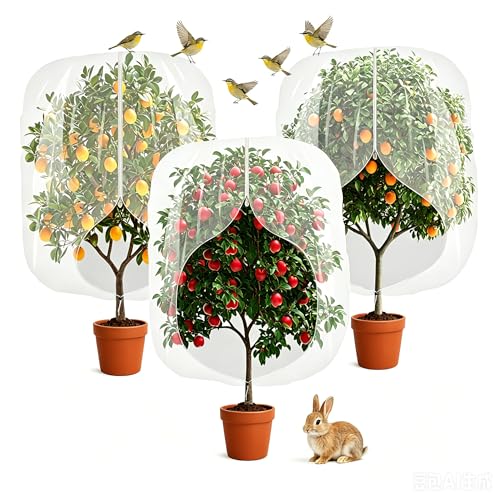
【Premium Fruit Tree Protection】-- Crafted breathable high-density mesh to create a pest-resistant and birds barrier, MIXC garden netting make it natural growth while safeguarding harvests from insect squirrels birds pest,deer
Physical Barriers
Physical barriers create a blockade that prevents rats from accessing fruit trees. Here are key options:
- Tree Guards: Wrap the trunks with metal mesh or hardware cloth. Ensure the guard extends at least 2 feet up and 1 foot deep into the ground.
- Fencing: Install a fence around the garden. It should be at least 3 feet high and buried 6 inches underground to prevent digging. Use wire mesh with small openings.
- Netting: Cover trees with bird or fruit netting. Choose a fine mesh that rats can’t chew through.
Chemical Deterrents
Chemical deterrents can help repel rats using scents that they dislike. Consider the following:
- Commercial Repellents: Spray products that contain peppermint oil or other natural ingredients. Apply around the base of trees and on nearby surfaces.
- Ammonia: Soak rags in ammonia and place them around the tree. The strong smell deters rats while being safe for the environment.
Natural Predators
Utilizing natural predators aids in controlling rat populations near your fruit trees. Implement these strategies:
- Cats: Domestic cats are effective hunters. Consider adopting or encouraging local feral cats to frequent your garden.
- Birds of Prey: Create a suitable habitat for owls and hawks. Install perches or owl boxes to attract them, as they prey on rats.
Implement these methods to significantly reduce the presence of rats around your fruit trees and protect your delicious harvest.
Maintenance And Monitoring
Maintain vigilance to protect your fruit trees from rats. Regular maintenance and monitoring play crucial roles in keeping these pests away.
Recommended Products

Natural Repellent Ball: Rodent Repellent is formulated with botanical rodent repellents that leave pests with no place to hide. No traps, no harsh chemicals. It is an ideal alternative to mousetraps, rat traps, moth traps or insect repellents

【Humane Natural Rodent Repellent】Repel rodents without causing harm, the rat repellent works by emitting multiple strong minty scents, the strong stimulation makes rodents feel uncomfortable and forces them to run away. It is an ideal to replace mouse traps, single use sticky traps, rat poison or pest repellers

Tomcat Repellents Rodent Repellent Granules prevents rodent entry, nesting, and foraging outdoors
Regular Inspections
Conduct regular inspections of your fruit trees. Look for signs of rat activity, such as droppings, chewed fruit, or gnaw marks on the bark. Check the surrounding area for any hidden food sources or shelter. Inspect tree guards and fencing for damage. Repair any openings to prevent entry. Aim to perform these inspections weekly, especially during peak growing seasons.
Keeping The Area Clean
Keep the area around your fruit trees clean and tidy. Remove fallen fruit promptly to eliminate food sources. Clear away debris, such as leaves or branches, where rats can hide. Store tools and equipment in secure sheds rather than leaving them outdoors. Dispose of trash properly by using sealed bins. Maintain a neat garden to deter rats and make monitoring easier.
Conclusion
Keeping rats off your fruit trees doesn’t have to be a constant battle. By being proactive and implementing the right strategies you can protect your precious harvest. Regular maintenance and monitoring are key to staying one step ahead of these pests.
Remember to eliminate attractants and use physical barriers to safeguard your trees. With a little effort and the right techniques you can enjoy a bountiful fruit harvest without the worry of rats stealing your hard work. Happy gardening and may your trees thrive!
Frequently Asked Questions
What attracts rats to fruit trees?
Rats are drawn to fruit trees primarily due to the availability of food. Overripe or fallen fruits, such as apples, berries, and peaches, provide easy meals. Additionally, dense foliage offers shelter, while moisture around the trees is another enticing factor.
How can I tell if I have a rat infestation?
Signs of a rat infestation include chewed fruit, visible rat droppings, and gnaw marks on the bark of trees. You may also notice burrows or nests in the vicinity of your fruit trees.
What fruits are most appealing to rats?
Rats are particularly attracted to sweet, ripe fruits such as apples, berries, peaches, cherries, and grapes. They also target overripe vegetables and unprotected seeds in your garden.
What are some effective ways to deter rats?
To keep rats away from fruit trees, consider using physical barriers like tree guards and fencing. Chemical deterrents, such as commercial repellents and ammonia-soaked rags, can also help. Additionally, encouraging natural predators, like cats, is beneficial.
How can I maintain a rat-free garden?
Regularly inspect your garden for signs of rat activity. Promptly collect fallen fruit, clear debris, and properly dispose of trash. Maintaining a clean garden environment helps minimize the risk of attracting rats.
Can natural predators help control rats?
Yes, natural predators like domestic cats and birds of prey can effectively help control rat populations. Encouraging these animals in your garden can provide a natural balance and deter rats from invading your fruit trees.
