

Are you dreaming of biting into a juicy peach from your own backyard? If you’ve planted a peach tree or are thinking about it, you might be wondering how long it’ll take before you can enjoy that sweet reward.
Growing your own fruit can be a rewarding experience, but patience is key. In this article, you’ll discover how many years it typically takes for a peach tree to bear fruit and what factors can influence that timeline. By understanding the process, you’ll be better prepared to nurture your tree and enjoy the fruits of your labor sooner.
Key Takeaways
- Timeframe for Fruiting: Most peach trees typically bear fruit between three to four years after planting, although some may take up to five years depending on the variety.
- Growth Stages: Peach trees progress through distinct stages: planting, vegetative growth, fruit development, and maturity, with initial fruit yields often being low.
- Influencing Factors: Various factors such as tree variety, climate, soil quality, watering practices, and pruning techniques significantly affect how quickly a peach tree bears fruit.
- Ideal Conditions: Peach trees thrive in full sun (6-8 hours daily), well-draining soil, and require a balanced fertilization strategy for optimal growth and fruit production.
- Common Mistakes: Avoid pitfalls like overwatering, neglecting pruning, choosing unsuitable varieties, and ignoring pest control to ensure healthier trees and better fruit yields.
- Ongoing Care: Regular maintenance, including watering, fertilizing, and monitoring for pests, is essential for successful peach tree cultivation and to witness the desired fruit development.
Understanding Peach Tree Growth
Growing a peach tree involves understanding its development stages. Knowing the life cycle and factors affecting growth helps you nurture your tree more effectively.
Recommended Products

🍑 𝐏𝐑𝐄𝐌𝐈𝐔𝐌 𝐏𝐄𝐀𝐂𝐇 𝐏𝐎𝐓𝐓𝐈𝐍𝐆 𝐌𝐈𝐗: Our Peach Potting Mix is crafted to provide the perfect growing environment for vibrant and healthy peach plants. This premium soil mix ensures your peach trees receive the optimal nutrients, moisture, and aeration needed to thrive, making it ideal for both indoor and container gardening.

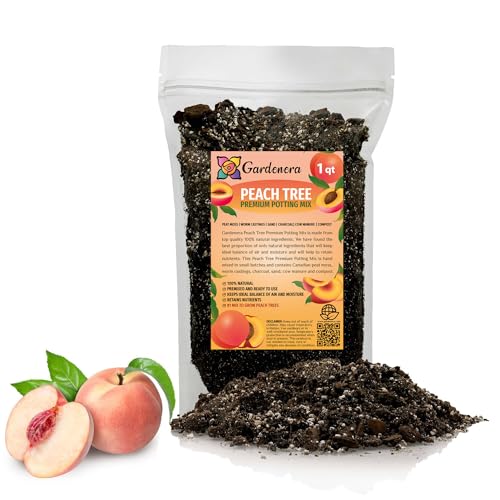
🍑 𝐏𝐑𝐄𝐌𝐈𝐔𝐌 𝐏𝐄𝐀𝐂𝐇 𝐏𝐎𝐓𝐓𝐈𝐍𝐆 𝐌𝐈𝐗: Our Peach Potting Mix is crafted to provide the perfect growing environment for vibrant and healthy peach plants. This premium soil mix ensures your peach trees receive the optimal nutrients, moisture, and aeration needed to thrive, making it ideal for both indoor and container gardening.
The Life Cycle of Peach Trees
Peach trees progress through distinct stages:
- Planting Stage: In the first year, the focus is on root establishment. Keep the soil moist to promote healthy growth.
- Vegetative Stage: Years two to three involve strong leaf development. The tree focuses on shoots and leaves, preparing for future fruiting.
- Fruit Development Stage: By year four or five, blossoms appear. This marks the transition from growth to fruit production; patience is key during this time.
- Mature Stage: A mature peach tree produces fruit consistently from year six onward, given proper care.
Factors Affecting Growth Rate
Several factors influence how quickly your peach tree bears fruit:
- Variety: Different peach varieties mature at varying rates. For example, the ‘Elberta’ peach typically starts producing earlier than the ‘Hale Haven’ peach.
- Climate: Peach trees thrive in warm climates. Proper sunlight and heat accelerate growth, while cold can hinder fruit production.
- Soil Quality: Well-drained, nutrient-rich soil promotes healthy root systems. Test your soil and amend it with organic matter if necessary.
- Watering Practices: Consistent moisture is crucial, especially during budding. A lack of water can stress the tree, delaying fruiting.
- Pruning Techniques: Regular pruning encourages strong branches for fruit support. Pruning also increases airflow, reducing disease risks, which can negatively impact growth.
By understanding these growth aspects and factors, you enhance your chances of a fruitful peach harvest.
Timeframe for Peach Tree Maturity
Peach trees require patience before producing fruit. Generally, you can expect to wait a few years after planting.
Typical Age for First Fruiting
Most peach trees bear fruit between three and four years after planting. Some varieties may take as long as five years. Young trees often focus on root and leaf development before fruiting begins. Initial fruit yields tend to be low, but they increase as the tree matures.
Variations Among Different Varieties
Different peach tree varieties have distinct timelines for fruit production. For example:
- Early-season varieties: These typically bear fruit in three years.
- Mid-season varieties: Expect fruit in four years.
- Late-season varieties: These may take five years or more.
Choosing the right variety based on your climate and preference can impact your harvest timeframe. Research local varieties and consult gardening resources for optimal selection.
Cultivation Best Practices
Growing your peach tree successfully involves understanding its ideal conditions and avoiding common mistakes. Following best practices ensures healthy development and fruit production.
Recommended Products

Made for Peach Trees - This peach tree fertilizer is formulated specifically to support healthy growth and fruiting in peach trees.

Package contains 4 Pounds organic fruit and nut fertilizer grains and is produced to avoid wasteful runoff, mess, hazards and smells

Package contains 4 Pounds organic fruit and citrus fertilizer grains and is produced to avoid wasteful runoff, mess, hazards and smells
Ideal Growing Conditions
Peach trees thrive under specific conditions. Here are the key factors to maintain:
- Sunlight: Ensure at least 6 to 8 hours of sunlight daily. Full sun promotes strong growth and improves fruit quality.
- Soil: Choose well-draining soil with a pH level between 6.0 and 7.0. Sandy loam works well for peach trees.
- Watering: Water deeply but infrequently, allowing the soil to dry out between sessions. This encourages deep root growth.
- Temperature: Peaches require chilling hours during winter. Ensure your climate provides enough cold temperatures to support fruit bearing.
- Fertilizing: Use a balanced fertilizer in early spring. Feed your tree again after fruit sets for best results.
Common Mistakes to Avoid
Avoiding common pitfalls can save time and effort:
- Overwatering: Too much water leads to root rot. Check soil moisture before watering.
- Neglecting Pruning: Regular pruning encourages air circulation and removes dead wood. Aim to prune in late winter before new growth starts.
- Not Choosing the Right Variety: Select varieties suited to your climate. Research early, mid, and late-season peaches to optimize your harvest.
- Ignoring Pest Control: Monitor for pests and diseases regularly. Use organic pesticides if outbreaks arise to protect your crop.
- Planting Too Deep: Avoid planting too deep; the graft union should be at soil level. This ensures healthy growth and establishes a strong root system.
By adhering to these cultivation practices, you lay the groundwork for healthy peach trees that produce a bountiful harvest.
Patience and Care
Growing a peach tree takes time and attention. Ensuring proper care leads to fruit production and a rewarding experience.
Recommended Products

FORMULATED FOR CITRUS AND FRUIT TREES: Use these citrus fertilizer spikes on apple, orange, lemon, lime, and avocado trees; this formula is also great for feeding palm trees

Let our professionally formulated plant food help your fruit tree grow healthy, strong AND abundantly producing

Made for Peach Trees - This peach tree fertilizer is formulated specifically to support healthy growth and fruiting in peach trees.
Importance of Proper Maintenance
Maintaining your peach tree is crucial for healthy growth and fruit production.
- Water regularly: Keep the soil consistently moist but not waterlogged. Aim for about an inch of water per week, especially during dry spells.
- Fertilize wisely: Use a balanced fertilizer in early spring. Follow package instructions for specific amounts based on the tree’s age and size.
- Prune effectively: Pruning promotes healthy growth and airflow. Cut back dead or crowded branches in late winter or early spring before new growth begins.
- Control pests: Regularly check your tree for signs of pests or disease. Use organic pesticides or consult local gardening resources for effective treatments.
Signs of Fruit Development
Recognizing signs of fruit development helps track your tree’s progress.
- Flowering: Look for blossoms in early spring. Healthy flowers are essential for fruit set.
- Small fruit formation: After flowering, you’ll see tiny fruit beginning to form. Monitor their growth, as this signals successful pollination.
- Growth size: Small fruit should grow steadily over the weeks. If they drop prematurely, reassess your care practices.
- Color change: As harvest time approaches, fruit color changes from green to yellow or blush. This indicates ripening is near, allowing you to prepare for picking.
By following these practices, you can help ensure your peach tree thrives and bears fruit in its expected timeframe.
Conclusion
Growing a peach tree is a journey filled with anticipation and joy. While it may take three to five years for your tree to bear fruit you’ll find that the wait is worth it. The experience of nurturing your tree and watching it grow is truly rewarding.
By choosing the right variety and providing the best care possible you’ll set yourself up for success. Remember to be patient and stay attentive to your tree’s needs. Before you know it you’ll be enjoying delicious homegrown peaches straight from your garden. Happy gardening!
Frequently Asked Questions
How long does it take for a peach tree to bear fruit?
Most peach trees will start to bear fruit between three to four years after planting. Some varieties may take up to five years. Trees focus on establishing roots and developing leaves before producing fruit.
What factors influence how quickly a peach tree produces fruit?
Factors include the peach tree variety, climate conditions, soil quality, watering practices, and effective pruning techniques. Each of these elements can significantly affect growth and fruit production timelines.
What are the growth stages of a peach tree?
The growth stages include the planting stage (root establishment), vegetative stage (leaf development), fruit development stage (appearance of blossoms), and the mature stage (consistent fruit production). Each stage is crucial for the overall growth of the tree.
How should I care for my peach tree?
Care includes providing adequate sunlight, well-draining soil, proper watering, and balanced fertilization. Regular pruning and pest control are also essential to ensure healthy growth and optimal fruit production.
What common mistakes should I avoid when growing peach trees?
Common mistakes include overwatering, neglecting pruning, choosing the wrong variety for your climate, ignoring pest control, and planting too deep. Avoiding these errors can lead to healthier trees and better yields.
How can I recognize fruit development in my peach tree?
Signs of fruit development include the appearance of flowers, small fruit formation, growth size, and color changes. Monitoring these signs helps you track the tree’s progress toward a bountiful harvest.
What is the best variety of peach tree to plant?
The best variety depends on your climate and personal preference. Early-season varieties typically bear fruit in three years, mid-season varieties in four years, and late-season varieties may take five years or more. Research local varieties for optimal selection.
