

Have you ever dreamed of picking juicy, sun-ripened blackberries straight from your own backyard in Southern California? Picture this: the warm sun on your skin, the sweet aroma filling the air, and a basket brimming with nature’s candy. But maybe you’ve hesitated, unsure of where to start or how to ensure a bountiful harvest.
Key Takeaways
- Choose Heat-Tolerant Varieties: Opt for heat-resistant blackberry types like Arapaho, Natchez, and Ouachita for successful growth in Southern California.
- Consider Evergreen vs. Deciduous Varieties: Decide between evergreen varieties for year-round foliage or deciduous types for better sunlight exposure during fruiting season.
- Prepare Your Garden Properly: Ensure well-draining soil with organic matter, full sun exposure, and good air circulation to set the stage for healthy blackberry plants.
- Plant Care Tips: Plant blackberries in late winter or early spring, water regularly, fertilize appropriately, prune annually, and provide pest and disease management to promote plant health.
- Harvesting Practices: Harvest ripe blackberries by picking when fully black in the morning, handle gently to avoid bruising, and store properly in the refrigerator to prolong freshness.
Choosing the Right Blackberry Varieties for Southern California
When selecting blackberry varieties for your garden in Southern California, it’s crucial to consider the climate and specific growing conditions of the region. Here are some key factors to keep in mind:
Recommended Products
WHAT YOU WILL RECEIVE: You will receive 1 healthy Sweetie Pie Blackberry plant (Rubus), currently 5-9 inches tall. This vigorous, bare-root starter is shipped ready to plant with a strong root system, designed to establish quickly for future delicious harvests.

Sweet & Nutritious Berries:The berries have a sweet taste, rich in various vitamins, minerals such as calcium, iron and zinc, as well as amino acids and essential dietary fiber. They are suitable for fresh eating or making jams and desserts, meeting the needs of a healthy diet.

Heat-Tolerant Blackberry Types
For Southern California’s warm climate, opt for heat-tolerant blackberry varieties that can thrive in higher temperatures. Examples include:
- Arapaho: Known for its heat resistance and large, sweet berries.
- Natchez: A thornless variety with excellent heat tolerance and juicy fruit.
- Ouachita: Produces flavorful berries and is well-adapted to hot climates.
These types are ideal choices for ensuring a successful blackberry harvest despite the region’s heat.
Evergreen vs. Deciduous Varieties
Consider whether you prefer evergreen or deciduous blackberry varieties for your garden:
- Evergreen: These varieties retain their leaves throughout the year, providing continuous foliage cover. They are suitable if you want year-round greenery.
- Deciduous: Deciduous blackberries shed their leaves in winter, allowing for better sunlight exposure during fruiting season. This shedding promotes healthier growth cycles.
Choosing between evergreen and deciduous types depends on your aesthetic preferences and gardening goals.
Preparing Your Garden for Blackberries
To ensure a successful blackberry harvest in Southern California, proper preparation of your garden is essential. Here are key steps to get your garden ready for growing delicious blackberries.
Soil Requirements and Preparation
Start by checking that your soil is well-draining and rich in organic matter. Blackberries thrive in slightly acidic soil with a pH level between 5.5 and 7. If needed, amend the soil with compost or well-rotted manure to improve its texture and fertility.
Choosing the Best Planting Location
Select a planting location that receives full sun for at least six to eight hours a day. Make sure the area has good air circulation to prevent fungal diseases. Avoid low-lying spots where cold air settles, as frost can damage blackberry plants.
By following these guidelines for soil preparation and choosing the right planting location, you’ll set the stage for healthy blackberry plants that will reward you with an abundant harvest in Southern California.
Planting and Caring for Blackberries
To ensure successful growth, here’s how you can plant and care for your blackberry plants in Southern California.
Recommended Products

CLEAN CUTS FOR LIVE GROWTH: Bypass blade design is ideal for pruning delicate flower stems and green growth, helping reduce crushing and plant damage while cutting stems and small branches up to 5/8” in diameter

Reduce Hand Strain: These micro tip snips are made to reduces hand fatigue which makes them great for those with arthritis, carpal tunnel, hand or wrist issues; Comfortable “grip” handles will make it easy to work for long-time use without making you feel hand pain

DUAL CUTTING POWER: VERSATILE PRUNING COMBO --- With both Pruning Shears and Pruning Snip, this combo delivers unmatched versatility. Whether you're delicately trimming flowers and shrubs, tackling thicker tree branches, or tending to your vegetable and fruit garden, our combo pack excels in all areas. They're also perfect for landscaping projects and maintaining the health and appearance of indoor plants. With this pack, you have a versatile tool that simplifies your gardening tasks.
When and How to Plant
Plant your blackberries in late winter or early spring. Choose a sunny location with well-draining soil. Dig a hole twice the size of the root ball, place the plant at ground level, backfill with soil, and water thoroughly. Space multiple plants about 3-4 feet apart in rows that are 8 feet apart.
Watering and Fertilization Techniques
Water your blackberries regularly, especially during dry periods. Provide about 1-2 inches of water per week. Mulch around the plants to retain moisture and suppress weeds. Fertilize your blackberries in early spring with a balanced fertilizer according to package instructions, avoiding high-nitrogen fertilizers that promote excessive foliage growth over fruit production.
Pruning and Training Blackberry Plants
Prune your blackberry plants annually to remove dead canes and promote new growth. In late winter or early spring, cut back floricanes (fruit-bearing canes) that have produced fruit to ground level. Thin out excess canes to improve air circulation and sunlight penetration into the plant canopy.
Pest and Disease Management
Dealing with pests and diseases is crucial to ensure your blackberry plants thrive in Southern California. Here’s how you can effectively manage these challenges:
Recommended Products

3-IN-1 PLANT CARE: 3-In-1 Insect, Disease & Plant Mite Control provides insect control, disease control, and plant mite control all in one; Rainproof protection starts in 4 hours and lasts up to 14 days

3-in-1 FORMULA: Aphid spray for outdoor plants for use on roses, flowers, shrubs and trees to control listed insects, disease and mites

INSECT KILLER: Army worm killer. Also kills insects such as Aphids, Spider Mites, Japanese Beetles, Caterpillars, and other listed insects
Common Pests and Natural Control Methods
When it comes to pests, keep an eye out for common invaders like spider mites, aphids, and Japanese beetles. These pests can damage leaves and fruits if not controlled. To naturally control them, introduce beneficial insects like ladybugs or lacewings that feed on these pests without harming your plants. You can also use neem oil spray as a natural insecticide to deter unwanted visitors.
Dealing with Diseases in Blackberry Plants
Blackberries are susceptible to various diseases such as powdery mildew, anthracnose, and root rot. To combat powdery mildew, ensure good air circulation around plants by spacing them adequately. For anthracnose prevention, avoid overhead watering to minimize moisture on the leaves. In case of root rot, plant blackberries in well-draining soil to prevent waterlogging.
By being vigilant and implementing these pest and disease management strategies, you’ll safeguard your blackberry plants’ health and enjoy a successful harvest in Southern California.
Harvesting and Storing Blackberries
Harvesting blackberries at peak ripeness ensures you enjoy the sweetest and juiciest berries. Here are some tips to help you make the most of your harvest:
Tips for Harvesting Blackberries at Peak Ripeness
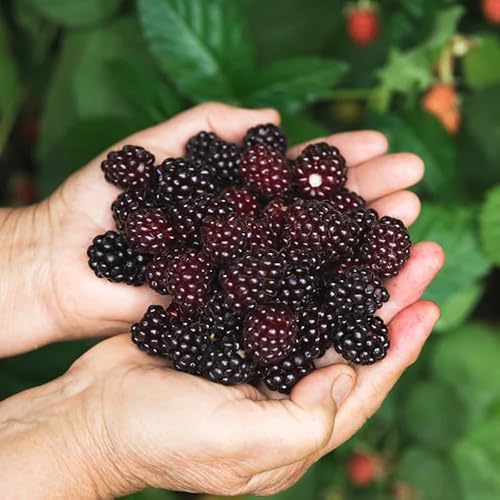
- Pick When Fully Black: Ripe blackberries are deep black with a slight sheen. They should easily separate from the plant with a gentle tug.
- Morning Harvest: It’s best to pick blackberries in the morning when they’re cool and plump from overnight moisture.
- Gently Handle Berries: Avoid squishing or stacking the berries to prevent bruising, which reduces their shelf life.
- Frequent Checks: Check your plants every 2-3 days during peak season to catch ripe berries at their prime.
Storage Practices to Prolong Freshness
Proper storage is key to keeping your freshly picked blackberries delicious for longer periods:
- Refrigeration: Store unwashed blackberries in a single layer on a paper towel-lined tray in the refrigerator.
- Avoid Moisture: Keep them dry; only wash them just before eating.
- Use within a Week: Consume your blackberries within 3-7 days for optimal flavor and texture.
- Freezing Option: If you can’t eat them all fresh, freeze excess berries by spreading them on a baking sheet before transferring to freezer bags for long-term storage.
Conclusion
Enjoy the rewarding journey of growing your own delicious blackberries in Southern California. By selecting the right varieties, preparing your garden properly, and providing care throughout the growing season, you can savor the sweet fruits of your labor. Remember to stay vigilant against pests and diseases, employing natural control methods when needed. Harvest your blackberries with care, store them correctly to maintain freshness, and relish their flavor within a week for the best experience. With these steps in mind, you’re well on your way to enjoying a bountiful harvest of sun-ripened blackberries from your very own garden. Happy gardening!
Frequently Asked Questions
Q: What are the best blackberry varieties for growing in Southern California?
A: Varieties like Arapaho, Natchez, and Ouachita thrive in Southern California’s warm climate due to their heat tolerance and adaptability.
Q: How should I prepare my garden for growing blackberries in Southern California?
A: Ensure full sun exposure, good air circulation, well-draining soil, and avoid frost-prone areas when selecting a planting location. Prepare the soil with necessary nutrients before planting.
Q: What are some essential steps for planting and caring for blackberry plants in Southern California?
A: Plant during the right season, water regularly but avoid overwatering, provide proper fertilization, prune to maintain plant health, and train vines as they grow.
Q: How can I manage pests and diseases affecting blackberry plants in Southern California?
A: Use natural control methods like beneficial insects and neem oil spray for pests. Prevent diseases by promoting good air circulation, avoiding overhead watering, and maintaining well-draining soil.
Q: What are some tips for harvesting and storing blackberries from my garden?
A: Pick ripe berries gently to prevent bruising. Store them in the refrigerator without moisture to prolong freshness – consume within a week or freeze for long-term storage.
