

Have you ever wondered what happens if you prune your fruit trees a bit too late? Many gardeners face this common dilemma, thinking they can wait just a little longer to trim those branches. Unfortunately, that delay can lead to some unexpected consequences for your beloved trees.
In this article, you’ll discover the impact of late pruning on fruit trees. From reduced yields to increased vulnerability to pests, understanding the timing of your pruning can make all the difference. By the end, you’ll feel more confident in your gardening skills and ready to give your fruit trees the care they need to thrive.
Key Takeaways
- Timing Matters: Pruning fruit trees too late interrupts their growth cycle, potentially removing crucial flowers and fruit for the season.
- Health Risks: Late pruning stresses trees, increasing vulnerability to pests and diseases due to exposed wounds.
- Reduced Yields: Cutting too late can lead to lower fruit production and smaller, less flavorful fruit by removing essential buds.
- Signs of Late Pruning: Look for wilting leaves, weak new growth, and fewer buds to indicate potential issues stemming from late pruning.
- Best Practices: Prune in late winter to early spring for most trees, using clean tools and making appropriate cuts to promote health and productivity.
- Limit Cutting: Avoid removing more than 25% of the tree’s canopy in one season to prevent stress and ensure robust fruiting.
Understanding Fruit Tree Pruning
Pruning fruit trees at the right time is crucial for ensuring healthy growth and bountiful yields. Late pruning can lead to several negative consequences that affect your trees’ health and productivity.
Importance of Timing
Timing affects fruit trees significantly. Pruning too late can interrupt the tree’s growth cycle. During late winter or early spring, trees begin to bud. If you prune after this period, you risk removing potential flowers and fruit for the season. The delayed cuts can also expose the tree to cold damage and diseases, which thrive in poorly pruned trees. For example, if you prune apple trees in April instead of February, you might lose blossoms and, consequently, fruit.
Pruning Techniques
Utilizing effective pruning techniques can mitigate adverse effects, particularly if you’re late with your pruning. Focus on:
- Thin Out Growth: Remove dense areas first. This improves airflow and light penetration.
- Cut Back Dead or Diseased Branches: Prioritize removing any unhealthy parts to prevent spreading.
- Shape the Tree: Aim for an open center to promote balanced sunlight distribution. This ensures even fruit ripening.
- Shorten Overgrown Branches: If a branch has grown too long, cut it back to an outward-facing bud. This encourages new growth away from the trunk.
Use clean, sharp tools for all cuts to prevent infections. Always make your cuts at a 45-degree angle to promote healing and reduce water accumulation. If you find yourself pruning late, focus on these techniques to minimize damage and support your fruit trees’ health.
Consequences of Late Pruning
Late pruning of fruit trees leads to several negative outcomes that impact both tree health and fruit production. Understanding these consequences helps you make informed decisions in your gardening practices.
Recommended Products
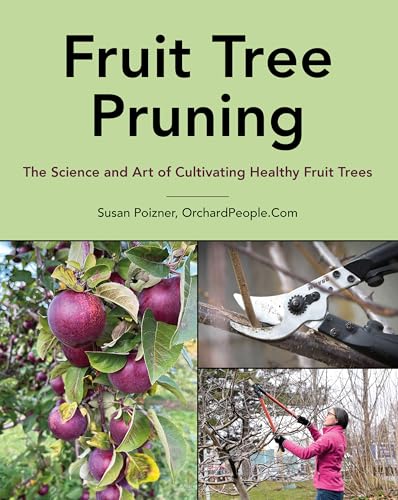

PROFESSIONAL GARDENING GRAFTING TOOLS: Including 2 in 1 grafting pruning tools, 3 replaceable blades, a grafting knife, a screwdriver, a wrench, 2 grafting films, 160 rubber bands, 40 wide rubber bands, and 50 colorful tag cards
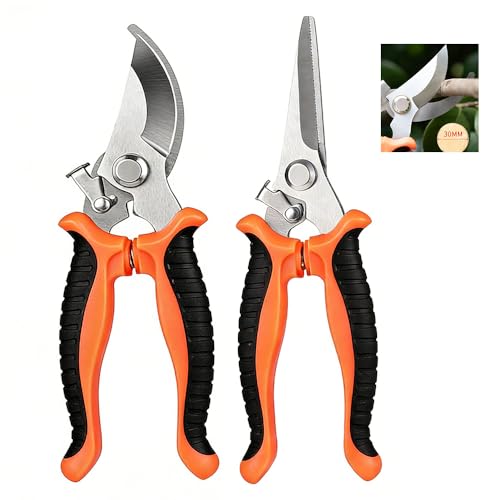
Essential Gardening Tool: This garden pruning shear is specially designed for light cutting tasks. Its blade body is treated with a special craft for smooth, consistently sharp cuts. Equipped with a high-elasticity spring, it opens and closes effortlessly for easy operation.
Impact on Tree Health
Late pruning stresses fruit trees by cutting them at a time when they should focus on growth. Trees may struggle to heal from cuts made during late seasons, leading to increased vulnerability to pests and diseases. Exposed wounds attract insects and pathogens, making your trees susceptible to infestations and infections. Additionally, late pruning can cause new growth to sprout, which might not harden off in time for winter, increasing the risk of cold damage. Maintaining optimal pruning schedules ensures your trees remain healthy and resilient.
Effects on Fruit Production
Pruning too late can severely reduce fruit production by removing essential buds and flowers. If you cut branches after the growing season, you might lose the potential for flowers the following spring. This loss directly affects the quantity and quality of fruit your trees produce. Furthermore, stressed trees often produce smaller, less flavorful fruit. It’s crucial to prune during the dormancy period, allowing your trees to allocate energy effectively, ensuring robust blooms and high-quality fruit yield.
Signs You Pruned Too Late
Pruning fruit trees too late presents noticeable signs that can affect your tree’s health and productivity.
Recommended Products


Visual Indicators
- Wilting Leaves: If you notice wilting leaves or yellowing foliage, it indicates stress from late pruning.
- Unusual Growth Patterns: Watch for weak, spindly new growth. Late pruning can cause this growth to form instead of strong, healthy branches.
- Wounds and Dieback: Look for open wounds that don’t heal properly. These can attract pests and lead to disease.
- Reduced Buds: If you see fewer buds than expected, late cuts may have removed essential flower buds for the next season.
- Spring Timing: Pruning in late spring can remove new growth that may be critical for fruit development.
- Winter Risks: Late pruning, especially in fall, can expose tender new growth to winter’s cold, increasing frost damage chances.
- Flowering Delays: A delayed pruning schedule can upset the flowering cycle, leading to a late fruit set.
- Disease Exposure: Late pruning can leave trees vulnerable to diseases that thrive in warm, wet conditions.
Recognizing these signs early can help you make adjustments in your pruning schedule to safeguard your fruit trees’ health and maximize their yield.
Best Practices for Timely Pruning
Pruning your fruit trees at the right time enhances their health and productivity. Implementing effective practices ensures optimal growth and yield.
Ideal Pruning Seasons
Pruning timing varies by tree type. Generally, late winter to early spring ranks as the best time for most fruit trees. During this period, trees are dormant, reducing stress from cuts. For stone fruits, like cherries and plums, prune in late spring after flowering. This timing helps minimize the risk of disease and ensures you do not remove valuable buds.
- Use Clean, Sharp Tools: Dull or dirty tools create jagged cuts and increase infection risks. Regularly sharpen your pruners and disinfect them with rubbing alcohol.
- Make Proper Cuts: Always cut branches at a 45-degree angle. This technique promotes better healing and water runoff.
- Focus on Dead or Diseased Branches: Start by removing any branches that show signs of damage or disease. This step prevents spread and encourages healthy growth.
- Thin Out Dense Growth: Remove crowded branches to improve sunlight exposure. This practice ensures better air circulation, helping to prevent pests.
- Shape for Balance: Aim for an open center in the tree’s structure. This shape allows light to reach all parts of the tree, promoting even growth.
- Limit Pruning Amount: Cut no more than 25% of the tree’s canopy in a single season. Excessive pruning can lead to stress and reduced fruit production.
By following these guidelines, you enhance your pruning practices, safeguard your trees, and boost your fruit yield.
Conclusion
Pruning your fruit trees at the right time is crucial for their health and productivity. If you prune too late you risk harming the tree and reducing your fruit yield. It’s all about timing and understanding your tree’s growth cycle. By being mindful of when you prune you can help your trees thrive and produce delicious fruit.
Remember to keep an eye out for signs of stress and adjust your pruning schedule accordingly. With a little care and attention you can enjoy a bountiful harvest year after year. Happy gardening!
Frequently Asked Questions
What are the consequences of pruning fruit trees too late?
Pruning fruit trees too late can lead to reduced fruit yields, increased susceptibility to pests, and exposure to cold damage. It disrupts the tree’s growth cycle, removing essential buds and flowers, which affects the quantity and quality of fruit produced.
When is the best time to prune fruit trees?
The best time to prune most fruit trees is late winter to early spring. For stone fruits like cherries and plums, late spring is recommended. Pruning during these periods helps ensure healthy growth and optimal fruit production.
How does late pruning affect a tree’s health?
Late pruning stresses fruit trees during a critical growth period, making them more vulnerable to pests and diseases. It can also lead to new growth that may not harden off before winter, increasing the risk of cold damage.
What signs indicate that pruning was done too late?
Signs of late pruning include wilting leaves, unusual growth patterns, open wounds, and reduced buds on the tree. These indicators can help gardeners adjust their pruning schedules to protect tree health.
What are effective pruning techniques for fruit trees?
Effective pruning techniques include thinning out dense growth, trimming dead or diseased branches, shaping the tree for balanced sunlight distribution, and shortening overgrown branches. Always use clean, sharp tools and make cuts at a 45-degree angle.
How much of the tree’s canopy should be pruned in one season?
Limit pruning to no more than 25% of the tree’s canopy in a single season. This approach helps prevent stress on the tree and supports optimal fruit production in the following season.
