

Are you worried about pests ruining your fruit trees? You’re not alone. Many gardeners face the challenge of protecting their precious crops while ensuring the safety of the plants themselves. With so many options available, it can be tough to know which products are safe to use.
One common question that comes up is whether permethrin, a popular insecticide, is safe for fruit trees. This article will help you understand the implications of using permethrin on your trees, including its effectiveness and any potential risks. By the end, you’ll have the information you need to make an informed decision and keep your fruit trees thriving.
Key Takeaways
- Permethrin Efficacy: Permethrin is a potent insecticide that effectively targets a range of pests on fruit trees, promoting healthier crops when used correctly.
- Application Timing: To minimize stress on trees and protect beneficial insects, apply permethrin early in the morning or late in the evening, avoiding bloom periods.
- Impact on Fruit Quality: Proper timing and application methods are essential to prevent chemical residues and potential changes in flavor or texture of the fruit.
- Safety Precautions: Always follow labeled instructions for application rates and distances to harvest; wash fruits thoroughly to reduce any residual chemicals.
- Alternatives Available: For those preferring organic methods, consider using neem oil, insecticidal soaps, or cultural practices like crop rotation and companion planting to manage pests.
- Monitor Ecosystem Health: Be aware of the effects of permethrin on beneficial insects, and choose targeted treatments to maintain a thriving garden ecosystem.
Overview Of Permethrin
Permethrin is a synthetic insecticide belonging to the pyrethroid family. It’s highly effective against various pests, including aphids, spider mites, and caterpillars, making it popular among gardeners. Many commercial products contain permethrin due to its potency and rapid degradation in the environment.
Permethrin works by disrupting the nervous system of insects, causing paralysis and death. It’s available in different formulations, such as sprays and granules, allowing for flexible application methods. When applied properly, permethrin can provide substantial protection for your fruit trees against harmful pests.
While permethrin is effective, safety considerations remain important. It’s crucial to follow labeled instructions for application rates and timing. Avoid applying permethrin during blooming periods to reduce the risk to pollinators, such as bees.
When used correctly, permethrin poses minimal risks to humans and pets. However, consider wearing protective gear, like gloves and masks, during application to avoid direct contact. Understand that residual activity can impact beneficial insects in the short term; thus, these should be carefully monitored after treatment.
For organic gardeners, alternative options exist, such as neem oil or insecticidal soaps. These may have less impact on beneficial organisms. Always evaluate your specific needs and choose the safest method for protecting your fruit trees.
Recommended Products

TRIPLE PROTECTION FORMULA: 3-in-1 solution kills listed insects, controls listed diseases, and controls listed mites with one easy application

Control diseases and insects in your garden with Captain Jack’s Fruit Tree Spray Concentrate! Use on a variety of listed fruits, nuts and citrus plants.

Control diseases and insects in your garden with Captain Jack’s Fruit Tree Spray Concentrate! Use on a variety of listed fruits, nuts and citrus plants.
Effects Of Permethrin On Fruit Trees
Permethrin affects fruit trees in various ways, impacting both tree health and fruit quality. Understanding these effects helps you make informed pest control decisions.
Impact On Tree Health
Permethrin’s application can benefit your fruit trees by effectively controlling pests. However, it may also lead to temporary stress in plants. The insecticide targets harmful insects while often leaving beneficial insects unharmed, but it can disrupt the ecosystem surrounding the trees.
- Symptoms: You might notice some signs of leaf burn or curling, especially if you apply permethrin during high heat or apply excessive amounts.
- Timing: Applying permethrin in the early morning or late evening reduces stress on the trees while minimizing harm to pollinators.
- Frequency: Limiting applications to what’s necessary helps maintain healthy tree conditions without overstressing them.
Impact On Fruit Quality
The quality of fruit produced by your trees may vary with permethrin use based on its timing and method.
- Residue Effects: You might find slight chemical residues on fruits if the spray application occurs close to harvest. Washing fruits thoroughly can mitigate this issue.
- Flavor Profile: Some studies indicate that improper timing or overuse of permethrin can lead to changes in fruit flavor or texture.
- Harvest Timing: Waiting a sufficient amount of time between the last application of permethrin and harvest ensures better fruit quality and safety for consumption.
By staying mindful of these factors, you can optimize the use of permethrin and enjoy healthy fruit trees with high-quality yields.
Safety Considerations
When using permethrin on fruit trees, safety considerations play a crucial role. Understanding its effects on beneficial insects and potential residue concerns helps you make informed decisions.
Recommended Products

READY-TO-USE CONTACT SPRAY: No mixing required. Thoroughly spray insecticide on all plant parts, including the underside of leaves. Pests must be sprayed directly to achieve control

Permethrin spray bonds to fabric fibers for up to 6 weeks or through 6 washings (whichever comes first) won't stain or damage clothing, fabrics, plastics, finished surfaces, or outdoor gear; fragrance free
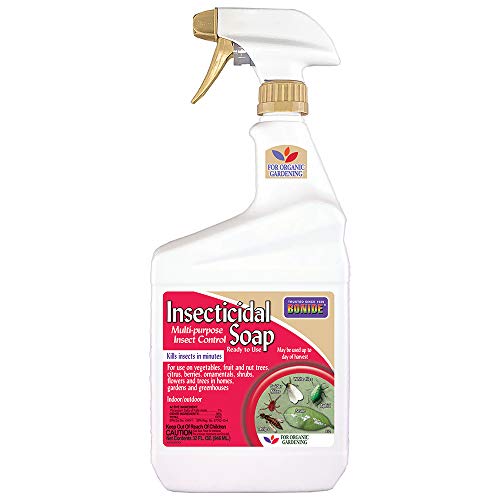
Captain Jack's Insecticidal Super Soap controls species of adelgid, ant, aphid, borer, caterpillar, spider mite, cricket, chinch bug, weevil, fly, thrip, and more
Toxicity To Beneficial Insects
Permethrin can harm beneficial insects like bees, ladybugs, and lacewings. These insects are vital for pollination and natural pest control. To minimize negative impacts, apply permethrin in the early morning or late evening when beneficial insects are less active. Avoid spraying during bloom periods to protect pollinators. Consider using targeted treatments that focus on the pests affecting your fruit trees, as this reduces exposure to beneficial insects.
Residue Concerns
Residue from permethrin can remain on fruit surfaces, raising safety concerns for consumption. To address this, always check the pre-harvest interval on the product label. This interval specifies the time required between the last application and harvest to ensure food safety. Washing fruit thoroughly before consumption can further reduce any potential residues. If concerns about chemical residues persist, explore organic alternatives like neem oil, which may offer similar pest control benefits without the same residue issues.
Alternatives To Permethrin
Finding safe alternatives to permethrin can help you protect your fruit trees without potential drawbacks. Consider both organic options and effective cultural practices to manage pests while promoting tree health.
Recommended Products

Cold-Pressed Neem Oil is a potent natural solution, ideal for maintaining healthy plants

FUNGAL DISEASE CONTROL: Prevents and controls black spot on roses, powdery mildew, rust, downy mildew, and other listed fungal diseases when applied on a 7–14 day schedule

PLANT DISEASE CONTROL: Natria Neem Oil acts as an insecticide and fungicide in one convenient spray; Ready-to-use trigger sprayer requires no mixing
Organic Options
Organic pest control products serve as effective substitutes for permethrin.
- Neem Oil: Derived from the neem tree, neem oil targets a broad range of pests. It disrupts insect life cycles and repels them, making it suitable for applications on fruit trees.
- Insecticidal Soap: This product suffocates soft-bodied insects upon contact. It’s effective against aphids, spider mites, and whiteflies, and it biodegrades quickly, minimizing residue concerns.
- Essential Oils: Some essential oils, like peppermint and clove oil, repel pests. They work best when mixed with water and sprayed on infested trees.
- Diatomaceous Earth: This natural powder consists of tiny fossilized organisms. Dusting it on plants damages the exoskeletons of insects, causing them to dehydrate.
Cultural Practices
Integrating cultural practices into your gardening routine can reduce pest pressures.
- Crop Rotation: Changing the placement of your fruit trees can disrupt pest life cycles, limiting their ability to establish.
- Mulching: Applying organic mulch around the base of trees enhances soil health and encourages beneficial insects while minimizing weed competition.
- Pruning: Regularly prune trees to improve air circulation and sunlight penetration, which discourages pest infestations and promotes healthy growth.
- Companion Planting: Planting aromatic herbs or flowers alongside fruit trees can deter pests naturally. For example, marigolds repel nematodes and other pests.
By exploring these organic options and implementing cultural practices, you can safeguard your fruit trees effectively while maintaining ecological balance.
Conclusion
Navigating pest control for your fruit trees can be a balancing act between effectiveness and safety. While permethrin offers strong protection against pests it’s essential to apply it thoughtfully to minimize risks to beneficial insects and your trees’ health.
Always pay attention to timing and application methods to ensure your trees thrive while keeping pests at bay. If you’re leaning toward organic solutions there are plenty of alternatives that can work just as well. Ultimately, the best approach is one that aligns with your gardening philosophy and keeps your fruit trees healthy and productive. Happy gardening!
Frequently Asked Questions
What is permethrin and how does it work?
Permethrin is a synthetic insecticide in the pyrethroid family, used to control various pests like aphids and caterpillars. It disrupts the nervous system of insects, causing paralysis and death, making it effective for protecting fruit trees.
Is permethrin safe for humans and pets?
When used according to directions, permethrin poses minimal risks to humans and pets. However, it is essential to wear protective gear during application and avoid applying it near blooming periods to protect beneficial insects.
Can permethrin harm beneficial insects?
Yes, permethrin can temporarily impact beneficial insects such as bees and ladybugs. To minimize this effect, it’s best to apply it during times when these insects are less active and to use targeted treatments.
How does permethrin affect fruit quality?
Permethrin may cause temporary stress to fruit trees, potentially affecting fruit quality. Symptoms like leaf burn can occur if applied during high heat or excessive amounts. Wait a sufficient time after application before harvesting for better fruit quality.
What are some organic alternatives to permethrin?
Organic options include neem oil, insecticidal soap, essential oils, and diatomaceous earth. These alternatives can effectively control pests while minimizing chemical residues, making them suitable for organic gardeners.
What cultural practices can help manage pests?
Effective cultural practices include crop rotation, mulching, pruning, and companion planting. These approaches help reduce pest pressures and promote the overall health of fruit trees, complementing any pest control strategies you may choose.
How can I minimize chemical residues on fruit?
To reduce chemical residues, check the pre-harvest interval on product labels and wash fruit thoroughly before consumption. This practice helps ensure safety and enhances the quality of the fruit.
