

Have you ever wondered how long it takes for your Honeycrisp apple tree to start bearing fruit? If you’re planning to plant one or already have, this question is likely on your mind. Growing your own apples can be exciting, but the wait for those delicious fruits can feel endless.
Key Takeaways
- Timeframe for Fruit Bearing: Honeycrisp trees typically start bearing fruit between three to five years after planting, with optimal fruiting around six to eight years.
- Ideal Growing Conditions: Ensure well-drained soil (pH 6.0-7.0), full sunlight for six to eight hours a day, and consistent watering to promote healthy growth.
- Importance of Pruning: Regular pruning in late winter or early spring helps maintain tree health, encourages airflow, and increases fruit yield.
- Pollination Necessity: Cross-pollination is essential for Honeycrisp trees, so plant compatible apple varieties nearby to improve fruit production.
- Monitoring for Challenges: Be vigilant about pests and diseases by using organic treatments and maintaining good air circulation to ensure tree health.
- Best Practices for Care: Annual fertilization and proper watering techniques are key to ensuring a bountiful and high-quality apple harvest.
Overview of Honeycrisp Trees
Honeycrisp trees produce one of the most popular apple varieties. These trees are known for their deliciously sweet, crisp texture and vibrant color. You can find Honeycrisp trees commonly in home orchards across the U.S. due to their adaptability to various climates.
Growth Timeframe
Honeycrisp trees typically take about three to five years to bear fruit. Factors like soil quality, climate conditions, and care can influence growth rates. In ideal conditions, you can see fruit as early as the third year, while less optimal conditions may extend this timeframe.
Ideal Growing Conditions
Providing optimal growing conditions helps accelerate fruiting. Ensure you follow these guidelines:
- Soil: Aim for well-drained soil with a pH between 6.0 and 7.0. Test your soil and amend it as needed.
- Sunlight: Position the trees in a location that receives full sun for at least six to eight hours daily.
- Watering: Regular watering during dry spells is crucial but avoid overwatering. Deep watering encourages strong root growth.
- Fertilization: Use a balanced fertilizer annually to promote healthy growth and fruit development.
Pruning Practices
Pruning plays a significant role in the health and productivity of Honeycrisp trees. Follow these steps for effective pruning:
- Timing: Prune during late winter or early spring before new growth begins.
- Technique: Remove any dead, damaged, or crossing branches. This allows sun and air to reach all parts of the tree.
- Shaping: Aim for an open center shape to enhance light penetration and air circulation.
Pollination Requirements
Honeycrisp trees require cross-pollination to produce fruit effectively. Planting other apple varieties nearby, like Fuji or Gala, improves pollination rates. Ensure that your Honeycrisp has a pollinator within 50 feet for best results.
Common Challenges
Anticipate certain challenges that may arise:
- Pests: Keep an eye out for common pests like aphids and codling moths. Use organic insecticides or neem oil when necessary.
- Diseases: Watch for signs of diseases such as apple scab or fire blight. Maintaining good air circulation and practicing crop rotation helps reduce disease risk.
By providing the right conditions, engaging in proper maintenance, and understanding its needs, you set the foundation for a fruitful harvest of Honeycrisp apples in due time.
Factors Influencing Fruit Bearing
Several factors play a crucial role in determining how long it takes for Honeycrisp trees to bear fruit. Understanding these aspects helps ensure a productive orchard.
Recommended Products
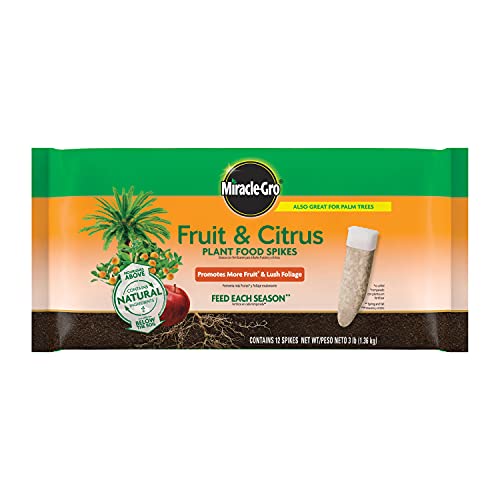
FORMULATED FOR CITRUS AND FRUIT TREES: Use these citrus fertilizer spikes on apple, orange, lemon, lime, and avocado trees; this formula is also great for feeding palm trees

Made for Apple Trees – Formulated to support healthy growth in apple and fruit-bearing trees.

Let our professionally formulated plant food help your fruit tree grow healthy, strong AND abundantly producing
Age of the Tree
Age significantly impacts when Honeycrisp trees start producing fruit. Typically, these trees yield their first apples between three and five years of age. Younger trees may take longer to mature, while well-established trees may produce sooner. You can expect optimal fruiting around six to eight years, as the tree gains strength and resources.
Growing Conditions
Growing conditions directly affect fruit bearing. Factors include:
- Soil Quality: Well-drained, nutrient-rich soil promotes healthy growth. Conduct a soil test to ensure your soil has the right pH level and nutrient balance for apple trees.
- Sunlight: Honeycrisp trees thrive in full sunlight. Aim for at least six to eight hours of direct sunlight daily to maximize fruit production.
- Watering: Consistent watering is essential, especially during dry spells. Aim for deep watering sessions, providing about one inch of water per week, to encourage strong root systems.
- Fertilization: Annual fertilization supports tree health and fruit development. Use a balanced fertilizer in early spring, following package instructions for application rates.
- Pruning: Proper pruning encourages healthy growth and increases fruit yield. Focus on removing dead or crowded branches to improve airflow and light penetration.
By carefully considering these factors, you enhance the chances of your Honeycrisp tree bearing fruit sooner and producing a bountiful harvest.
Typical Timeline for Bearing Fruit
Honeycrisp apple trees follow a general timeline for producing fruit. You can expect to see your first apples within a few years of planting, and various factors can influence this timeline.
Recommended Products
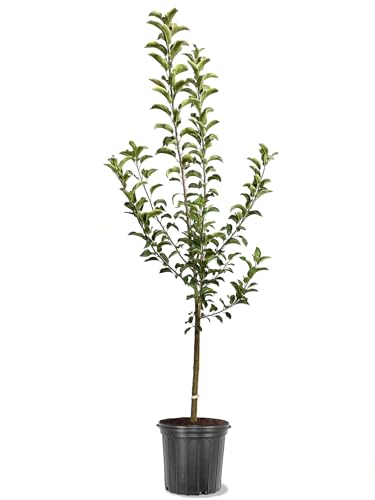
Crisp, Sweet Apples: Produces large, juicy apples with a perfect balance of sweetness and tartness, ideal for fresh eating and baking.

Growing dessert on a tree? Indeed! Imagine the Honeycrisp Apple Trees - offering that delightful crispness, crunch, and juicy sweetness. While store-bought Honeycrisps provide a fraction of the taste and quality of home-grown apples, this tree delivers. Our Honeycrisp Apple Tree is a fuss-free source of fresh, scrumptious fruit, boasting cold endurance down to -30 degrees and a robust yield once established.

Expected Age for First Harvest
Honeycrisp trees usually start to bear fruit between three and five years after planting. Younger trees under three years often won’t produce any apples. Optimal fruiting occurs around six to eight years, allowing the tree to reach maturity and strengthen its roots. Regular care, including annual pruning and fertilization, can positively impact this timeline.
Variations in Different Climates
Climate plays a significant role in the fruit-bearing timeline of Honeycrisp trees. In warm, sunny areas, trees may bear fruit sooner due to extended growing seasons. Conversely, in cooler climates, the timeline could extend, pushing harvest times closer to five or six years. Ensuring adequate sunlight, especially in shaded areas, and considering local weather patterns can help in maximizing fruit production.
Keep these factors in mind when planting Honeycrisp trees, as nurturing them properly can lead to a fruitful harvest as anticipated.
Best Practices for Sweet and Healthy Fruit
Growing Honeycrisp apple trees can lead to a bountiful harvest. Following best practices ensures sweet and healthy fruit.
Recommended Products

Package contains 4 Pounds organic fruit and nut fertilizer grains and is produced to avoid wasteful runoff, mess, hazards and smells

Made for Lemon & Citrus Trees – Formulated to support healthy growth in lemon and citrus plants.

LASTING COLOR: Miracle-Gro Tree & Shrub Plant Food Spikes are fertilizer spikes for trees and shrubs; they promote vibrant color and foliage for trees and shrubs in your yard
Pruning and Care
Pruning promotes healthy growth and fruit production. Start pruning in late winter or early spring while the tree is still dormant.
- Remove Dead or Diseased Wood: Cut away any branches that show signs of disease or are dead. This encourages new growth.
- Thin Out Branches: Aim to maintain an open center for light and air circulation. Remove overcrowded branches.
- Shape the Tree: Keep the tree’s shape balanced. This enhances sunlight exposure and supports even fruiting.
Regular care is essential. Water deeply and consistently, especially during dry spells. Use organic mulch to retain moisture and suppress weeds. Fertilize annually using a balanced fertilizer to support growth.
Pollination Tips
Pollination improves fruit set and quality. Honeycrisp trees require cross-pollination because they aren’t self-pollinating.
- Plant Compatible Varieties: Consider planting other apple varieties nearby, like Fuji or Granny Smith. These promote cross-pollination and increase fruit yields.
- Consider the Timeline: Ensure that the bloom times of the trees overlap. This timing boosts the chances of pollination.
- Encourage Pollinators: Attract bees and other pollinators by planting flowering plants nearby. This enhances pollination rates and overall fruit quality.
Implementing these practices helps you grow robust Honeycrisp trees that bear delicious apples.
Conclusion
Growing your own Honeycrisp apple tree is an exciting journey filled with anticipation. While you might have to wait three to five years for those first sweet apples, the effort is well worth it. By providing the right care and conditions you can help your tree thrive and set the stage for a bountiful harvest.
Remember to keep an eye on soil quality and ensure your tree gets enough sunlight and water. With a little patience and dedication you’ll soon enjoy the delicious fruits of your labor. Happy gardening and here’s to your future Honeycrisp apples!
Frequently Asked Questions
How long does it take for a Honeycrisp apple tree to produce fruit?
Honeycrisp apple trees typically take about three to five years to start producing fruit. Factors such as soil quality, climate, and care influence this timeline, with optimal fruiting occurring around six to eight years.
What conditions are needed for Honeycrisp apple trees to thrive?
For Honeycrisp apple trees to thrive, provide well-drained soil, full sunlight, proper watering, and annual fertilization. These conditions help promote healthy growth and fruit production.
Do Honeycrisp trees need cross-pollination?
Yes, Honeycrisp trees require cross-pollination with compatible apple varieties, such as Fuji or Granny Smith. This enhances fruit set and quality, so consider planting these nearby.
How can I improve the fruit yield of my Honeycrisp apple tree?
Improving your tree’s yield involves regular pruning to remove dead or diseased wood, thinning branches for better air circulation, and ensuring adequate care, including deep watering and mulching.
What challenges might I face when growing Honeycrisp apple trees?
Common challenges include pests, diseases, and climate variations. Proper care, regular inspections, and choosing disease-resistant varieties can help mitigate these issues for a healthy harvest.
