
Close Menu
    Fruit Tree Hub
    • Home
    • Apple Trees
    • Lemon Trees
    • Mango Trees
    • Orange Trees
    • More Trees
      • Best Fruit Trees
      • Apricot Trees
      • Cherry Trees
      • Fig Trees
      • Lime Trees
      • Mulberry Trees
      • Peach Trees
      • Pear Trees
      • Plum Trees
      • Pomegranate Trees
    • Tips and Advice
      • Tools
    • About Us
      • Contact
      • Privacy Policy
    Fruit Tree Hub
    Home»Tips and Advice»Can I Plant Fruit Trees in June: Best Practices for Successful Growth and Care
    Tips and Advice

    Can I Plant Fruit Trees in June: Best Practices for Successful Growth and Care

    Martha JacksonBy Martha JacksonDecember 25, 20248 Mins Read
    Share Facebook Twitter Pinterest WhatsApp Email
    Share
    Facebook Twitter LinkedIn Pinterest Telegram Email

    Wondering if June’s a good time to plant fruit trees? You’re not alone. Many gardening enthusiasts face this question as summer approaches, eager to add fresh flavors to their backyard.

    Contents show
    1 Key Takeaways
    2 Understanding Planting Seasons
    2.1 Importance of Local Climate
    2.2 Types of Fruit Trees
    2.3 Soil Conditions
    2.4 Watering Guidelines
    2.5 Potential Risks
    2.6 Conclusion of the Section
    3 Factors to Consider When Planting
    3.1 Climate Zones
    3.2 Soil Conditions
    4 Types of Fruit Trees to Plant in June
    4.1 Stone Fruits
    4.2 Pome Fruits
    5 Care and Maintenance for Newly Planted Trees
    5.1 Watering Techniques
    5.2 Pest Management
    6 Conclusion
    7 Frequently Asked Questions
    7.1 Is June a good time to plant fruit trees?
    7.2 What types of fruit trees can I plant in June?
    7.3 How do I know if my soil is suitable for June planting?
    7.4 What care do newly planted trees need in June?
    7.5 What are the risks of planting fruit trees late in the season?

    Key Takeaways

    • June Planting Viability: June can be a suitable month for planting certain fruit trees, especially in warmer climates where the risk of frost has passed.
    • Climate Considerations: Understanding your local climate is crucial; warmer regions can support June planting for citrus, while cooler areas may be better suited for early spring planting.
    • Soil Quality Matters: Ensure proper drainage and nutrient-rich soil by conducting a soil test. Healthy soil conditions are vital for the establishment of newly planted trees.
    • Recommended Fruit Trees: Consider planting stone fruits like peaches and plums, as well as late-blooming apple and pear trees, that can thrive when planted in June.
    • Watering Strategy: Newly planted trees require regular watering, particularly in the heat of June. A deep watering routine supports root development and prevents stress.
    • Pest Management: Monitor for pests and signs of disease regularly. Employ safe management strategies to ensure the health of your newly planted trees.

    Understanding Planting Seasons

    Planting fruit trees requires knowledge of the best seasons for each type. June can be a viable month, depending on specific factors.

    Importance of Local Climate

    Consider your local climate. Warmer regions may allow for planting in June, while cooler areas may not. Understanding frost dates in your area is crucial. If the last frost has passed, planting in June becomes more feasible.

    MUST READ
    How Long Does a Passion Fruit Tree Take to Grow for a Bountiful Harvest

    Types of Fruit Trees

    Different fruit trees thrive in different conditions:

    • Citrus Trees: Plant in June in warmer climates. They enjoy heat and flourish with ample sunlight.
    • Apple Trees: Best to plant earlier in spring. June can still work in milder areas but may inhibit root development before summer heat intensifies.
    • Peach Trees: June planting is suitable in well-drained soil with good sunlight. Regular watering helps establish roots in the summer heat.

    Soil Conditions

    Examine the soil conditions before planting. Ensure proper drainage and nutrient availability. A soil test can help determine pH and nutrient levels for optimal growth. Incorporate compost to improve soil health if necessary.

    Watering Guidelines

    Establish a regular watering routine. Newly planted trees need consistent moisture, especially in June heat. Aim for deep, infrequent watering to encourage deep root growth.

    Potential Risks

    Be aware of risks associated with late planting. High temperatures increase stress on young trees, making them more susceptible to disease and pests. Monitor for signs of wilting or damage closely.

    Conclusion of the Section

    Choosing to plant fruit trees in June can lead to fruitful rewards, provided you account for local conditions, tree types, and care requirements.

    Factors to Consider When Planting

    When considering planting fruit trees in June, several key factors influence success. Understanding these elements helps achieve a fruitful yield.

    Recommended Products

    Rapitest Soil Test Kit for Gardens, Vegetables, Flowers and Lawns. USA designed and assembled soil tester completely, quickly and accurately measures/analyzes soil pH acidity and garden nutrients.
    Rapitest Soil Test Kit for Gardens, Vegetables, Flowers and Lawns. USA designed and assembled soil tester completely, quickly and accurately measures/analyzes soil pH acidity and garden nutrients.

    Quick, at home results for Soil pH, Nitrogen, Phosphorous and Potash Innovative and inexpensive soil test kit features an easy-to-use capsule system and patented color comparators

    VIEW LATEST PRICE

    As an affiliate, we earn on qualifying purchases.

    4-in-1 Soil Moisture Meter Digital PH Meter/Soil Moisture/Plant Temperature/Sunlight Intensity, Backlight LCD Display, Soil Test Meter for Garden, Lawn, Plant Care, Farm and Indoor Outdoor Plants
    4-in-1 Soil Moisture Meter Digital PH Meter/Soil Moisture/Plant Temperature/Sunlight Intensity, Backlight LCD Display, Soil Test Meter for Garden, Lawn, Plant Care, Farm and Indoor Outdoor Plants

    【4-in-1 Multi-Function】This 4-in-1 soil tester can sense soil pH/moisture/temperature/light more accurately and quickly. You can know the soil pH,Moisture,Temperature,Light that you care about by measuring it, so that you can take better care of our plants, so that they can be healthy and thrive after being well taken care of!

    MUST READ
    How Long Before an Apple Tree Bears Fruit: Key Factors for a Successful Harvest
    VIEW LATEST PRICE

    As an affiliate, we earn on qualifying purchases.

    Soil Test Kit -140 Test- 2026 Version- Testing PH Ammonia Nitrogen Phosphorus and Potassium - Tester for Your Vegetable Garden Lawn and Soil
    Soil Test Kit -140 Test- 2026 Version- Testing PH Ammonia Nitrogen Phosphorus and Potassium - Tester for Your Vegetable Garden Lawn and Soil

    Comprehensive Soil Analysis: Liquid soil test kits offer a comprehensive analysis of essential soil parameters, including pH, ammonia, nitrogen, phosphorus, and potassium. Having all these measurements in one kit provides a holistic understanding of the soil's fertility and health.

    VIEW LATEST PRICE

    As an affiliate, we earn on qualifying purchases.

    Climate Zones

    Different climate zones dictate suitable planting times and tree selections. You should know your USDA Plant Hardiness Zone to determine which trees thrive in your area. For instance:

    • Zone 8 and warmer: Citrus trees like lemon and lime can be planted in June, as these regions enjoy warm temperatures.
    • Zone 6 to 7: Peach and plum trees tolerate summer planting if the soil is well-drained and receives adequate sunlight.
    • Zone 5 and cooler: Early spring planting is preferable for apple and cherry trees, ensuring the roots establish before hot weather.

    Recognizing your climate zone allows better decisions for planting times and tree types.

    Soil Conditions

    Soil conditions significantly impact tree health and growth. You should check the following:

    • Drainage: Ensure your soil drains well to prevent root rot. Conduct a simple test by digging a hole about 12 inches deep and filling it with water. If it drains within a few hours, drainage is adequate.
    • Nutrient Availability: Test your soil pH and nutrient content with a soil test kit. Most fruit trees thrive in slightly acidic to neutral soil (pH 6.0 to 7.0). Amend the soil with compost or fertilizers to provide necessary nutrients.
    • Moisture: Newly planted trees need consistent moisture. Prepare to water regularly during June’s heat. A drip irrigation system or soaker hose can maintain soil moisture without over-watering.
    MUST READ
    Do DC Cherry Trees Produce Fruit and What You Need to Know About Their Varieties

    By addressing soil conditions, you maximize your fruit trees’ chances of success in June planting.

    Types of Fruit Trees to Plant in June

    June can be a good month for planting certain fruit trees, especially in warmer climates. Here are some types of fruit trees you can consider planting this month.

    Stone Fruits

    Stone fruits, like peaches, plums, and cherries, thrive when planted in well-drained soil with ample sunlight.

    • Peach Trees: These trees prefer warm temperatures and benefit from good air circulation. When planting, ensure the site has full sun and ample spacing to minimize disease risk.
    • Plum Trees: Plant plums in loamy soil to achieve the best results. Regular watering helps establish their roots but avoid soggy conditions that can lead to root rot.
    • Cherry Trees: While they can tolerate some heat, they do best with a little shade in the hottest part of the day. Choose a variety suited for your climate for optimal fruit production.

    Pome Fruits

    Pome fruits, including apples and pears, also provide excellent options for June planting.

    • Apple Trees: Apple trees are best planted in early spring, but some late bloomers can still be planted in June. Ensure you choose disease-resistant varieties that suit your local climate.
    • Pear Trees: Similar to apple trees, pears can be planted in June but require proper soil drainage to thrive. Look for varieties that mature efficiently within your USDA hardiness zone.
    • Quince Trees: Quince produces aromatic fruit and makes an outstanding addition to gardens. They prefer well-drained soil and consistent watering during the warm months.

    Be sure to assess your local climate conditions and soil quality to ensure the success of your fruit tree planting in June.

    Care and Maintenance for Newly Planted Trees

    Caring for newly planted trees in June is vital for their establishment and growth. Proper techniques ensure healthy development throughout the warmer months.

    Recommended Products
    2Pcs 360° Tree Water System Tree Watering Ring 13 Inch Circle Sprinkler and Irrigation System Targeted Water with Y Hose Splitter for New Tree Outdoor Plants Raised Garden Beds Shrubs (Blue, Small)
    2Pcs 360° Tree Water System Tree Watering Ring 13 Inch Circle Sprinkler and Irrigation System Targeted Water with Y Hose Splitter for New Tree Outdoor Plants Raised Garden Beds Shrubs (Blue, Small)

    Set Includes: our tree water irrigation ring package with 2 pieces of tree watering rings, 2 plastic valves, and 1 Y hose splitter, providing ample quantity for your garden watering needs. You can also share these flower tree water sprinkler ring with fellow gardening enthusiasts

    MUST READ
    Do I Need 2 Plum Trees to Produce Fruit: Essential Insights for Successful Harvests
    VIEW LATEST PRICE

    As an affiliate, we earn on qualifying purchases.

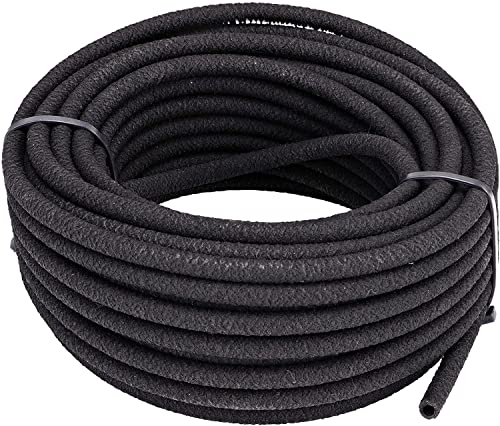
    Raindrip 015005T 1/4-Inch by 50-Foot Soaker Hose Tubing for Drip Irrigation, Use in Vegetable Garden, Planters, and Borders, 50-Foot, Black
    Raindrip 015005T 1/4-Inch by 50-Foot Soaker Hose Tubing for Drip Irrigation, Use in Vegetable Garden, Planters, and Borders, 50-Foot, Black

    Slowly waters the soil around your plants for complete root zone hydration; Ideal for short runs on flat surfaces, such as vegetable gardens, borders, and around small plants

    VIEW LATEST PRICE

    As an affiliate, we earn on qualifying purchases.

    ZGWDrip 10FT for Trees 1/2" Water-Saving Soaker Hose with Solid Brass Connectors, Drip Irrigation Kit
    ZGWDrip 10FT for Trees 1/2" Water-Saving Soaker Hose with Solid Brass Connectors, Drip Irrigation Kit

    1/2" Water-Saving & Durable Construction with Upgraded Formula: Our enhanced soaker hose blend delivers ultra-consistent water seepage while maximizing water savings, plus improved tensile strength, durability, and flexibility. It’s easy to handle, resistant to kinks, and built to stand up to long-term use in lawns, yards, landscaping, and tree watering applications.

    VIEW LATEST PRICE

    As an affiliate, we earn on qualifying purchases.

    Watering Techniques

    Watering newly planted trees requires attentiveness. Begin by providing a deep soak immediately after planting. Use a soaker hose or drip irrigation system for efficiency. Aim for the root zone, soaking the soil to a depth of 12-18 inches. During the first few weeks, water trees every other day, then reduce frequency to once a week. Monitor the soil moisture; it should feel damp but not soggy. For established roots, use a mulch layer of 2-4 inches around the base to retain moisture and suppress weeds.

    Pest Management

    Managing pests for young trees is essential for their health. Inspect your trees weekly for signs of pests like aphids or spider mites. Use insecticidal soap as a safe option for soft-bodied insects. Encourage beneficial insects such as ladybugs and lacewings by planting companion flowers. If you notice signs of fungal infections, apply a fungicide labeled for fruit trees to prevent spread. Always read and follow application guidelines to protect beneficial organisms and your trees. Regular monitoring and prompt action maximize your trees’ resilience.

    MUST READ
    When Lemon Trees Bear Fruit: Key Factors for Maximizing Your Harvest

    Conclusion

    Planting fruit trees in June can be a rewarding experience if you take the right steps. By considering your local climate and soil conditions you can set your trees up for success. Whether you choose citrus in warmer areas or late-blooming apple varieties it’s all about timing and care.

    Make sure to monitor your trees closely during the hot summer days. Regular watering and pest management will help them thrive. With a little attention and love your June-planted fruit trees can provide you with delicious rewards for years to come. Happy gardening!

    Frequently Asked Questions

    Is June a good time to plant fruit trees?

    Yes, June can be suitable for planting fruit trees, but it largely depends on your local climate. Warmer regions may support planting, while cooler areas might not. Always check your frost dates and consider the specific tree types.

    What types of fruit trees can I plant in June?

    In June, you can plant citrus trees in warmer climates. Stone fruits like peaches and plums also thrive with proper care. Some apple trees, particularly late-blooming varieties, may be planted in June as well.

    How do I know if my soil is suitable for June planting?

    Check for good drainage and nutrient availability in your soil. Well-drained soil with adequate sunlight is essential for the successful planting of fruit trees in June. Conduct a soil test if uncertain.

    What care do newly planted trees need in June?

    Newly planted trees require regular watering, especially during hot June days. Soak the soil deeply right after planting and monitor moisture levels frequently. Inspect for pests and consider using insecticidal soap if needed.

    What are the risks of planting fruit trees late in the season?

    Planting fruit trees in late spring or summer can stress young trees due to high temperatures. This stress can make them more vulnerable to diseases and pests. Proper care is crucial to mitigate these risks.

    Share. Facebook Twitter Pinterest LinkedIn Tumblr Email
    martha jackson
    Martha Jackson

      Martha Jackson is an accomplished freelance writer and editor with a strong interest in gardening. With a degree in English from the University of California, Berkeley, Martha has over 15 years of experience writing for a variety of publications. She is passionate about making gardening accessible to all and is always seeking out new techniques and innovations.

      Related Posts

      How Long Until Avocado Trees Bear Fruit and Tips for Faster Growth at Home

      February 20, 2025

      What Yellow Fruit Grows on Trees and Their Delicious Health Benefits

      February 20, 2025

      How to Air Layer Fruit Trees: A Step-by-Step Guide for Successful Propagation

      February 20, 2025

      When Do Grapefruit Trees Produce Fruit and How to Maximize Your Harvest

      February 20, 2025

      What Is a Fast Growing Fruit Tree: Discover Quick-Yield Options for Your Garden

      February 20, 2025

      Do Cherry Blossom Trees Have Fruit? Discover the Truth About Their Edibility and Benefits

      February 20, 2025
      Leave A Reply Cancel Reply

      Affiliate Disclosure

      As an Amazon Associate I earn from qualifying purchases.

      Recommended Reading

      Can Grapefruit Trees Grow in North Las Vegas, NV? Heat Tips

      When Do You Prune a Nectarine Tree for Optimal Growth and Fruit Production

      How to Fertilize Fruit Trees Organically for Healthier Growth and Better Yields

      Ultimate Guide: How to Care for a Tangerine Tree in a Pot Like a Pro

      How Big Does a Kiwi Plant Grow: Maximizing Growth Potential in Your Garden

      Guava Trees in Indiana (Expert Tips for Local Gardeners)

      Do Weeping Fig Trees Bear Fruit and What You Need to Know About Their Growth Conditions

      Growing Honeydew and Watermelon Together: Tips for Successful Companion Planting

      Can I Pick Fruit From Street Trees: Understanding the Rules and Ethical Foraging Practices

      How to Prune Fruit Trees in the Fall: Essential Tips for Maximum Harvest and Health

      Fruit Tree Hub

      Fruit Tree Hub is a website dedicated to providing you everything you need to grow fruit trees successfully at in your own yard.

      Contact us at: [email protected]

      - AFFILIATE DISCLOSURE: As an Amazon Associate I earn from qualifying purchases.

      Latest Posts

      Pear Trees in a Pot in Wisconsin: Northern Winter Care Manual

      Papaya Trees in a Pot in Idaho: Cold-Climate Success Strategies

      Growing Pomegranate Trees in Arkansas (Successful Growth Guide)

      Olive Trees in a Pot in Rhode Island (Coastal Success Manual)

      Can Jujube Trees Grow in Charlotte, NC? Piedmont Growth Tips

      Can Peach Trees Grow in a Pot in District of Columbia? Tips

      Nectarine Trees in a Pot in Wisconsin: Great Lakes Container Care

      Persimmon Trees in a Pot in Indianapolis, IN (Urban Garden Manual)

      Categories
      • Almond Trees
      • Apple Trees
      • Apricot Trees
      • Best Fruit Trees
      • Blackberry
      • Cantaloupe
      • Cherry Trees
      • Crochet Ideas
      • Crochet Ideas for Beginners
      • Cucamelon
      • Easy Crochet Ideas
      • Easy Knitting Projects
      • Fig Trees
      • Grapefruit Trees
      • Grapes
      • Guava Trees
      • Honeydew
      • Jujube Trees
      • Kiwi
      • Knitting For Beginners
      • Knitting Ideas
      • Knitting Inspiration
      • Lemon Trees
      • Lime Trees
      • Loquat Trees
      • Mango Trees
      • Mulberry Trees
      • Nectarine Trees
      • Olive Trees
      • Orange Trees
      • Papaya Trees
      • Peach Trees
      • Pear Trees
      • Persimmon Trees
      • Planting
      • Plum Trees
      • Pomegranate Trees
      • Quince Trees
      • Raspberry
      • Reviews
      • Small Crochet Ideas
      • Star Fruit Trees
      • Summer Crochet Ideas
      • Tamarind Trees
      • Tangerine Trees
      • Tips and Advice
      • Tools
      • Uncategorized
      • Walnut Trees
      © 2026 Fruit Tree Hub
      • Home
      • About Us
      • Contact
      • Privacy Policy
      • Terms and Conditions
      • Disclaimer
      • Editorial Policy
      • Affiliate Disclosure

      Type above and press Enter to search. Press Esc to cancel.