

Are your fruit trees struggling to produce a bountiful harvest? You’re not alone. Many gardeners face the challenge of choosing the right fertilizer to help their trees thrive. With so many options out there, it can feel overwhelming to decide what’s best for your specific needs.
Key Takeaways
- Understanding Nutritional Needs: Fruit trees require essential nutrients like nitrogen, phosphorus, potassium, calcium, magnesium, and micronutrients to thrive and produce fruit effectively.
- Types of Fertilizers: Both organic (e.g., compost, manure) and inorganic (e.g., granular, water-soluble) fertilizers have unique benefits; using a combination can optimize tree health and fruit yield.
- Signs of Deficiency: Recognizing signs of nutrient deficiencies, such as yellowing leaves or poor fruit quality, allows for timely intervention and appropriate fertilization.
- Timing and Application: Fertilize in early spring before new growth and apply methods suited to the fertilizer type to maximize nutrient absorption without harming the tree.
- Avoiding Common Mistakes: Stay vigilant against over-fertilization and monitor soil pH; both can significantly affect the health and fruit production of your trees.
- Regular Soil Testing: Conducting soil tests helps identify nutrient deficiencies and guides proper fertilization strategies for better yields.
Understanding Fruit Tree Nutritional Needs
Fruit trees require specific nutrients for optimal growth and fruit production. Understanding these nutritional needs helps you select the right fertilizer for your trees.
Essential Nutrients for Fruit Trees
Fruit trees depend on essential nutrients to thrive. Here are the key nutrients:
- Nitrogen (N): Supports vigorous leaf growth and overall tree health. Use nitrogen-rich fertilizers, especially in the spring.
- Phosphorus (P): Encourages root development and flower production. Fertilizers containing this nutrient are crucial during the planting phase.
- Potassium (K): Aids in fruit quality and disease resistance. Ensure your fertilizer includes potassium for healthier fruit.
- Calcium: Promotes cell wall strength and helps prevent blossom end rot. Add lime or gypsum if your soil tests indicate a calcium deficiency.
- Magnesium: Vital for chlorophyll production and photosynthesis. Use Epsom salt to boost magnesium levels.
- Micronutrients: Elements like iron, zinc, and manganese support various physiological processes. Use a balanced fertilizer specifically designed for fruit trees to cover these needs.
Signs of Nutrient Deficiency
Recognizing nutrient deficiencies enables timely interventions. Watch for these signs:
- Yellowing Leaves: Indicates nitrogen deficiency, commonly seen in older leaves.
- Poor Flowering and Fruit Set: May signal phosphorus deficiency.
- Weak Fruit Quality: Points to potassium deficiency, often resulting in small or misshapen fruits.
- Blossom End Rot: This issue in tomatoes and peppers reveals calcium deficiency.
- Interveinal Chlorosis: Yellowing between leaf veins indicates a magnesium deficiency.
Regular soil testing helps identify deficiencies accurately. Apply the appropriate fertilizers based on test results for better yields.
Types of Fertilizers for Fruit Trees
Choosing the right fertilizer greatly impacts the health and yield of your fruit trees. Two primary types of fertilizers exist: organic and inorganic.
Recommended Products

Down to Earth Bone Meal is a five pound box of all natural fertilizer with 3-15-0 formula and is listed by the Organic Materials Review Institute (OMRI) for use in organic production

Package contains 4 pounds organic bone meal plant fertilizer grains and is produced to avoid wasteful runoff, mess, hazards and smells
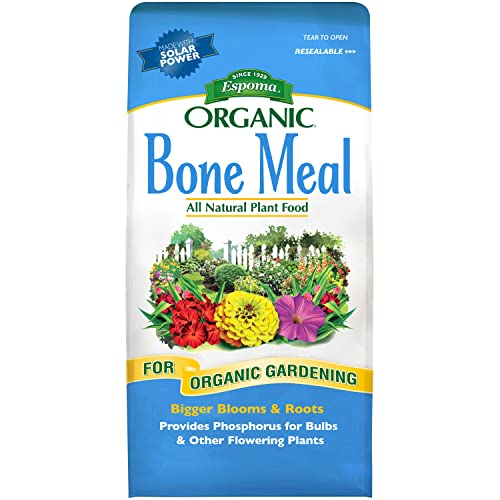
FOR USE ON: Use Bone Meal organic fertilizer for all bulbs both Spring and Fall as well as annual and perennial flowers
Organic Fertilizers
Organic fertilizers are derived from natural sources. They improve soil health over time while providing essential nutrients to your trees.
- Compost: Made from decayed organic matter, compost enriches soil with nutrients and improves its structure.
- Manure: Animal manure, well-composted, offers a rich source of nitrogen, phosphorus, and potassium.
- Bone Meal: A great source of phosphorus, bone meal supports root development and flowering.
- Fish Emulsion: This liquid fertilizer is high in nitrogen, promoting healthy foliage and growth in the early stages.
- Alfalfa Meal: Alfalfa contains nutrients and growth compounds, encouraging vigorous growth and improved fruit quality.
Organic fertilizers release nutrients slowly, reducing the risk of nutrient runoff. Regular application throughout the growing season enhances soil microbiology and long-term health.
Inorganic Fertilizers
Inorganic fertilizers are synthetically manufactured and provide measurable nutrient concentrations. They can offer quick results for growth and fruiting.
- Granular Fertilizers: These contain a specific ratio of nitrogen, phosphorus, and potassium (N-P-K). Look for a formulation that matches your fruit trees’ needs; for example, a 10-10-10 ratio supports balanced growth.
- Water-Soluble Fertilizers: Quickly absorbed by roots, these provide an instant nutrient boost. Ideal for trees in containers or during critical growth phases.
- Slow-Release Fertilizers: Releasing nutrients gradually, these minimize the frequency of application. They maintain steady nutrient levels over several months.
- Foliar Fertilizers: These are applied directly to leaves, providing a rapid nutrient boost. Great for addressing deficiencies visible in leaf symptoms.
Inorganic fertilizers offer immediate benefits but risk over-fertilization. Monitoring nutrient levels in soil tests ensures you avoid excesses that can harm your trees.
Using a combination of both organic and inorganic fertilizers optimizes tree health and fruit production. Select the type based on your gardening style, soil conditions, and specific fruit tree needs.
Best Practices for Fertilizing Fruit Trees
Fertilizing fruit trees requires careful consideration to ensure healthy growth and bountiful yields. Following best practices can lead to productive and vibrant fruit trees.
Timing of Fertilization
Timing plays a crucial role in effective fertilization. Fertilize your fruit trees in early spring before new growth begins. This timing coincides with active nutrient uptake. A second application can occur in late spring or early summer, particularly for nutrient-hungry varieties. Avoid fertilizing in late summer or fall as this can encourage new growth that won’t harden before winter.
Application Methods
Choose the appropriate application method based on your fertilizer type.
- Granular Fertilizers: Spread them evenly around the base of the tree, avoiding direct contact with the trunk. Water the area after application to help the nutrients penetrate the soil.
- Liquid Fertilizers: Dilute according to instructions, then apply directly to the soil surrounding the roots. This method provides quick nutrient absorption.
- Foliar Feeding: Mix the fertilizer with water and spray on the leaves. This approach delivers nutrients directly to the plant, especially helpful if deficiencies are already present.
Always follow the manufacturer’s guidelines for recommended amounts to prevent over-fertilization, which can harm your trees. Testing your soil beforehand can also guide you in determining the specific nutrient needs, ensuring your trees thrive.
Common Mistakes to Avoid
Avoiding common pitfalls in fertilizing fruit trees can significantly enhance growth and fruit yield. Here are key mistakes to watch for:
Over-Fertilization Risks
Over-fertilization can damage fruit trees. Excess nutrients, particularly nitrogen, can lead to excessive leaf growth at the expense of fruit production. You’ll notice weak branches and a lack of fruit if this occurs. Signs of over-fertilization include leaf burn, wilting, and poor fruit set. Ensure you apply fertilizers according to the manufacturer’s recommendations. A soil test can help guide your nutrient application and prevent overdoing it.
Ignoring Soil pH
Ignoring soil pH can hinder your fruit trees’ ability to absorb nutrients. Fruit trees thrive in slightly acidic to neutral pH levels (around 6.0 to 7.0). If the pH is too low or high, nutrients become unavailable to the trees, leading to deficiency symptoms like yellowing leaves and stunted growth. Conduct regular soil tests for pH and amend your soil with lime to raise pH or sulfur to lower it as needed. Adjusting pH can make a significant difference in overall health and productivity.
Conclusion
Choosing the right fertilizer for your fruit trees can make all the difference in their growth and productivity. By understanding their specific nutritional needs and recognizing signs of deficiencies, you can ensure your trees thrive. Whether you opt for organic options that enrich the soil or inorganic fertilizers that provide quick results, a balanced approach is key.
Remember to test your soil regularly and adjust your fertilization practices based on your trees’ unique requirements. With a little care and attention, you’ll be well on your way to enjoying a bountiful harvest of delicious fruit. Happy gardening!
Frequently Asked Questions
What are the essential nutrients for fruit trees?
Fruit trees require several key nutrients for optimal growth and fruit production. These include nitrogen, phosphorus, potassium, calcium, magnesium, and various micronutrients. Understanding these needs is crucial for gardeners to select the right fertilizers and achieve healthy yields.
How can I identify nutrient deficiencies in my fruit trees?
Signs of nutrient deficiencies in fruit trees include yellowing leaves, poor fruit quality, and stunted growth. Regular monitoring and soil testing can help gardeners identify these deficiencies early, allowing them to take corrective actions to improve tree health and productivity.
What types of fertilizers are best for fruit trees?
There are two main types of fertilizers for fruit trees: organic and inorganic. Organic fertilizers, like compost and manure, improve soil health over time, while inorganic fertilizers provide quick nutrient availability. A combination of both is often recommended for optimal tree growth and fruit production.
When is the best time to fertilize fruit trees?
The best time to fertilize fruit trees is in early spring, just before new growth begins. A second application can be made in late spring or early summer for varieties that require more nutrients. Avoid fertilizing in late summer or fall to prevent new, vulnerable growth before winter.
What are some common mistakes when fertilizing fruit trees?
Common mistakes include over-fertilization, which can lead to excessive leaf growth at the expense of fruit production. Other issues involve neglecting to monitor soil pH, as fruit trees thrive in slightly acidic to neutral pH levels. Regular soil tests can help ensure proper nutrient absorption and overall tree health.
