

Ever looked at your fruit trees and wondered when the best time to trim them is? You’re not alone. Many gardeners struggle with timing, unsure if they’re helping or harming their trees. Trimming at the wrong time can lead to fewer fruits, while the right timing can boost growth and yield.
Key Takeaways
- Optimal Timing: Trim fruit trees in winter during dormancy or in summer for managing growth—each season serves different purposes for tree health and productivity.
- Promote Healthy Growth: Regular trimming eliminates dead, damaged, or diseased branches, enhancing airflow and sunlight exposure, ultimately leading to better fruit yields.
- Recognize Signs for Trimming: Monitor for signs like overgrowth and pest infestations, which necessitate timely trimming to maintain tree health and productivity.
- Effective Techniques: Utilize proper pruning techniques, such as thinning the canopy and making heading cuts at a 45-degree angle, ensuring clean cuts that support tree recovery.
- Use Proper Tools: Equip yourself with the right tools like pruning shears, loppers, and saws to make effective cuts while protecting tree health.
- Routine Maintenance: Establishing a regular trimming schedule enhances the overall health of your trees and leads to more fruitful harvests each season.
Importance Of Trimming Fruit Trees
Trimming fruit trees promotes healthy growth. By removing dead, damaged, or diseased branches, you prevent pathogens from spreading. Healthy trees produce better yields.
Trimming enhances air circulation within the tree canopy. Improved airflow reduces the risk of fungal diseases. It also increases sunlight exposure, leading to more robust fruit development.
Trimming shapes the tree’s structure, making it easier for you to care for your plants. A well-maintained shape enables better access for harvesting fruit. It also simplifies the application of fertilizers and pesticides.
Annual trimming encourages new growth. New shoots support fruit production, thereby increasing your overall harvest. The right timing for trimming maximizes your trees’ potential.
Consider seasonal impacts. For example, winter trimming minimizes sap loss. Summer trimming focuses on removing excess growth to direct energy toward fruiting.
Utilize proper tools for trimming. Sharp pruners ensure clean cuts, promoting quick healing. Use loppers for thick branches and a saw for larger limbs.
Follow these steps for effective trimming:
- Assess the tree’s condition.
- Identify branches to remove.
- Trim at the right angle to prevent damage.
- Clean tools before and after use to avoid disease spread.
Regular trimming establishes a routine. You’ll notice improved growth and increased fruit production each season. Adjust your trimming techniques based on tree type and growth patterns.
Best Times To Trim Fruit Trees
Timing plays a crucial role in maintaining the health and productivity of your fruit trees. Trimming at the right times promotes growth, supports fruit production, and helps keep your trees strong.
Recommended Products
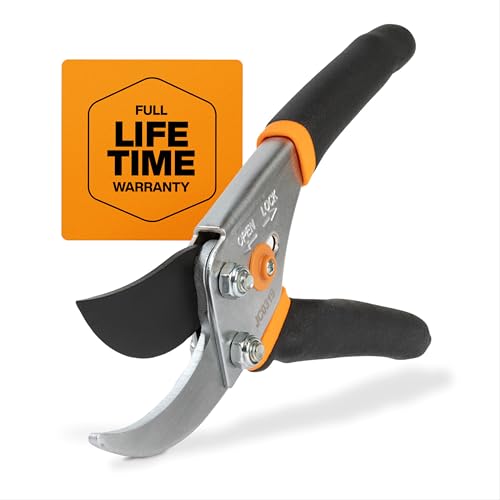
CLEAN CUTS FOR LIVE GROWTH: Bypass blade design is ideal for pruning delicate flower stems and green growth, helping reduce crushing and plant damage while cutting stems and small branches up to 5/8” in diameter

· ULTRA-SHARP SK5 STAINLESS STEEL - Engineered with premium SK5 stainless steel, these heavy duty pruning shears deliver razor-sharp precision and maximum hardness. The rust-resistant blades are designed to stay sharp longer, effortlessly resisting corrosion and sap buildup for smooth, friction-free garden shears performance year after year.

LONG-LASTING SHARPNESS: Japanese SK5 bypass blade with titanium coating is tested through 5,000 cuts to maintain a sharp edge and deliver clean, consistent cuts on live stems and branches
Winter Trimming
Winter trimming typically occurs during dormancy, from late fall to early spring. During this period, trees conserve energy, and you can see their structure better without leaves.
- Assess Tree Health: Look for dead, damaged, or diseased branches. Removing these helps prevent the spread of pests and diseases.
- Shape for Growth: Trim to shape the tree and encourage strong structural growth. Focus on outward-growing branches to allow air circulation and sunlight penetration.
- Minimize Sap Loss: Trim before sap begins to flow significantly in early spring. This practice reduces sap loss, which can stress the tree.
For example, apple and pear trees benefit from winter trimming by promoting healthy shape and maximizing spring blooms.
Summer Trimming
Summer trimming usually occurs from late spring to mid-summer. This timing takes advantage of active growth and offers different benefits compared to winter trimming.
- Control Tree Size: Trim to manage the size and shape of the tree. Remove excessive growth to promote light exposure and air circulation.
- Direct Energy: Focus on removing suckers and water sprouts. These are fast-growing shoots that divert energy from fruit production.
- Enhance Sunlight: Ensure that sunlight reaches all parts of the tree. Better light exposure encourages fruiting and improves fruit quality.
For instance, if your peach tree has vigorous growth, trimming it in summer can help redirect its energy into fruit development rather than excessive foliage.
Signs That Indicate It’s Time To Trim
Recognizing the signs that indicate it’s time to trim your fruit trees helps maintain their health and productivity. Look for these early indicators to ensure your trees thrive.
Overgrowth
Overgrowth occurs when your tree’s branches become too dense. You’ll notice branches crossing or crowding each other, obstructing sunlight and airflow. This lack of light can prevent fruits from developing properly.
Regularly assess your trees. If they’re getting bushy and tall, trim back excessively long limbs. Focus on removing nearly parallel branches to promote better spacing. You can maintain a balanced structure while ensuring sunlight reaches all areas of the canopy.
Disease and Pests
Diseased or infested branches pose significant threats to your tree’s health. Look for signs like wilting leaves, unusual spots, or stunted growth. These may indicate pest infestations or diseases.
If you observe these symptoms, act quickly. Remove infected branches to prevent further spread. Inspect your trees regularly for signs of pests, such as webbing or insects on leaves. Regular trimming helps keep your trees healthier by ensuring they’re less susceptible to diseases. Always disinfect your tools before and after cutting to avoid transferring pathogens.
Techniques For Trimming Fruit Trees
Maintaining fruit trees through effective trimming techniques enhances their health and productivity. Understanding proper methods and necessary tools streamlines this important process.
Recommended Products

★ 1. What you get: Professional convenient grafting tool set including a dual-use grafting pruner tool contain 2 extra replaceable blades, a wrench and a screwdriver, along with 36pcs wide rubber bands, 150 thick rubber bands and 1 grafting tape, packed in a black wallet to meet all your needs


[Cut & Hold Pole Pruner for Tree Trimming] This long reach cut and hold pruner makes it easy to grip and remove branches, flowers, or fruit without dropping them. Perfect as a pole fruit picker for harvesting lemons, oranges, apples, or persimmons, and for trimming shrubs and bushes without climbing a ladder.
Pruning Techniques
- Thin the Canopy: Remove crowded branches to allow sunlight and air to reach all parts of the tree. This encourages uniform fruit development and reduces disease risk.
- Heading Cuts: Reduce the length of branches to encourage bushier growth. Make cuts just above a healthy bud, promoting the growth of lateral branches.
- Crown Restoration: Focus on shaping the tree by removing dead or diseased limbs. This enhances the tree’s overall form and intersection efficiency.
- Cutting Angles: Use a 45-degree angle when making cuts to facilitate water runoff and decrease the risk of rot.
- Timing Matters: Trim during winter dormancy or summer active growth, depending on the specific needs of the tree. Each season offers benefits that align with different growth patterns.
- Pruning Shears: Essential for cutting small branches. Choose a bypass type for clean cuts that promote healing.
- Loppers: Ideal for thicker branches. Loppers provide extended reach and leverage, making cutting more manageable.
- Saw: Use a pruning saw for larger limbs. These saws feature narrow blades and minimize damage to the tree.
- Pole Pruner: For hard-to-reach areas, a pole pruner offers reach and precision. It allows you to trim higher branches without needing a ladder.
- Gloves: Wear gloves to protect your hands from thorns and sharp edges, ensuring comfort and safety during the trimming process.
- Disinfectant: Keep tools sanitized between trees to prevent disease transmission. A simple bleach solution or rubbing alcohol works effectively.
Focusing on proper pruning techniques and utilizing the right tools ensures your fruit trees thrive and produce healthy yields. Regular practice leads to healthier trees and better fruit quality.
Conclusion
Trimming your fruit trees at the right time can make all the difference in their health and productivity. By paying attention to seasonal cues and the specific needs of your trees you can encourage vigorous growth and a bountiful harvest. Regular assessments will help you identify when it’s time to trim and what branches to target.
Using the right techniques and tools will not only keep your trees looking great but also ensure they’re thriving. Embrace the routine of trimming and enjoy the fruits of your labor as your trees flourish season after season. Happy gardening!
Frequently Asked Questions
When is the best time to trim fruit trees?
Trimming fruit trees is best done in winter during dormancy (late fall to early spring) and summer from late spring to mid-summer. Winter trimming enhances visibility for shaping and minimizes sap loss, while summer trimming supports active growth and improves sunlight exposure.
Why is trimming important for fruit trees?
Trimming is crucial for the health of fruit trees as it removes dead or damaged branches, promotes airflow and sunlight penetration, and helps prevent diseases. Regular trimming encourages new growth and maximizes fruit production.
What are the signs that a fruit tree needs trimming?
Signs that indicate a fruit tree needs trimming include overgrowth with dense branches, signs of disease or pests, and excessively long limbs. Regular assessments can help identify these issues and maintain tree health.
What are effective trimming techniques for fruit trees?
Effective trimming techniques include thinning the canopy for better light and air circulation, making heading cuts for bushier growth, and performing crown restoration to shape the tree. Proper angle cuts and timing are essential for maximizing tree health.
What tools are necessary for trimming fruit trees?
Essential tools include pruning shears for small branches, loppers for thicker limbs, pruning saws for larger branches, and pole pruners for hard-to-reach areas. Using gloves for safety and disinfecting tools between trees is also recommended.
How does proper trimming affect fruit yield?
Proper trimming promotes healthier tree growth by allowing better airflow and light penetration. This results in improved fruit development, higher yields, and reduced risks of diseases, leading to more bountiful harvests each season.
