

Have you ever wondered how long it takes for an apple tree to start bearing fruit? If you’re thinking about planting one or just curious about the process, you’re not alone. Many gardeners face the same question, eager to enjoy the sweet rewards of their hard work.
Growing an apple tree can be a rewarding experience, but patience is key. In this article, you’ll discover the typical timeline for apple trees to bear fruit and the factors that can influence this process. Whether you’re a seasoned gardener or a beginner, you’ll find valuable insights to help you plan your apple-growing adventure.
Key Takeaways
- Timeline for Fruit Bearing: Apple trees typically bear fruit 2-6 years after planting, depending on the type—dwarf trees bear fruit the earliest, while standard trees take the longest.
- Types of Apple Trees: Understanding the three main types—standard, dwarf, and semi-dwarf—helps in selecting the right tree based on space and desired timeline for fruit production.
- Growth Stages: Apple trees undergo several growth stages: planting, establishment, juvenile, and mature. Each stage requires specific care to ensure successful growth and fruiting.
- Factors Influencing Fruit Production: Key factors include the variety of the apple tree, soil quality, sunlight exposure, consistent watering, and appropriate climate conditions.
- Encouraging Early Production: Regular watering, proper pruning, mulching, pest protection, and the right fertilization can significantly accelerate fruit-bearing in apple trees.
- Soil Testing: Conducting soil tests helps determine nutrient levels, allowing for amendments that support healthy growth and a timely harvest.
Understanding Apple Trees
Apple trees come in various types, each with unique characteristics that affect growth and fruit production. Understanding these types helps you choose the right tree for your garden.
Types of Apple Trees
- Standard Apple Trees: These trees can reach heights of up to 30 feet. They bear fruit in 4 to 6 years after planting. Standard varieties require ample space and are ideal for larger yards.
- Dwarf Apple Trees: Dwarf trees grow to about 6 to 10 feet tall. They produce fruit in as little as 2 to 3 years. Dwarfs suit small gardens or container planting, providing convenient fruit access.
- Semi-Dwarf Apple Trees: These trees usually reach 10 to 20 feet tall and yield fruit in 3 to 5 years. Semi-dwarf varieties balance size and space requirements, offering a good option for many homeowners.
Selecting the right type ensures better management and a fruitful harvest.
Growth Stages
Apple trees progress through distinct growth stages before bearing fruit.
- Planting Stage: This is when you prepare the soil and plant your tree. Provide proper spacing and sunlight for optimal growth.
- Establishment Stage: During this period, the tree focuses on root and leaf development. It lasts about 1 to 2 years and requires regular watering and pruning.
- Juvenile Stage: The tree enters this stage after establishing. Growth accelerates, but fruit production starts late, typically around years 2 to 5, depending on the type.
- Mature Stage: Once the tree reaches maturity, it begins producing fruit regularly. This stage can last for decades, with the tree yielding annually under good conditions.
Knowing these stages offers guidance on care and maintenance, helping your apple tree thrive.
Factors Affecting Time to Fruit Bearing
Several factors influence how long it takes for an apple tree to bear fruit. Understanding these elements helps you set realistic expectations.
Recommended Products

4 FRUIT VARIETIES – 100 SEEDS TOTAL: Includes 30 Apple Seeds, 30 Lemon Seeds, 30 Cherry Seeds, and 10 Banana Seeds, individually separated by variety for an exciting fruit-growing collection.

🌳 3-Pack Fruit Tree Bundle Includes live apple, blueberry, blackberry trees—perfectly paired for a diverse and productive backyard orchard.

Product Quantity: 180+ premium bonsai fruit seeds across 5 varieties; Individual packs contain 40+ apple, 40+ lemon, 40+ orange, 20+ blueberry, and 40+ cherry seeds; Perfect for starting a diverse miniature orchard
Variety of Apple Tree
Different apple tree varieties bear fruit at different rates.
- Standard Apple Trees: These trees typically take 4 to 6 years to produce fruit. They grow tall and require ample spacing.
- Dwarf Apple Trees: These compact trees can bear fruit much sooner, in 2 to 3 years. They’re ideal for small gardens.
- Semi-Dwarf Apple Trees: These trees strike a balance, producing fruit in 3 to 5 years. They fit well in various garden spaces.
Choosing the right variety impacts your harvest timeline significantly.
Growing Conditions
Growing conditions play a crucial role in fruit production.
- Soil Quality: Well-draining, fertile soil promotes healthy root development, which supports quicker fruiting. Test your soil for pH levels, aiming for 6.0 to 7.0.
- Sunlight: Apple trees thrive in full sun, requiring 6 to 8 hours of direct sunlight daily. Lack of light can delay fruiting.
- Watering: Regular watering, especially during dry spells, encourages growth. Ensure the soil remains moist but not waterlogged.
- Climate: Different apple varieties thrive in various climates. Cold winters are necessary for certain varieties to develop fruit.
Improving growing conditions helps accelerate the fruit-bearing process.
Typical Timeframe for Apple Trees to Bear Fruit
Apple trees generally take a few years before they start to produce fruit. Understanding the different types and varieties can help you set realistic expectations.
Recommended Products

Shipping Restrictions: Due to Agricultural Laws, we Cannot Ship to CA, AZ, AK, or HI - YOUR ORDER WILL BE CANCELED

Harvest Season: Ripens through September and October, producing large, dark red fruit with sweet and juicy taste suitable for dessert cooking and fresh eating

Growing dessert on a tree? Indeed! Imagine the Honeycrisp Apple Trees - offering that delightful crispness, crunch, and juicy sweetness. While store-bought Honeycrisps provide a fraction of the taste and quality of home-grown apples, this tree delivers. Our Honeycrisp Apple Tree is a fuss-free source of fresh, scrumptious fruit, boasting cold endurance down to -30 degrees and a robust yield once established.
Standard Estimates
Standard apple trees typically bear fruit after 4 to 6 years. These trees grow tall and require ample space for their roots. They often yield a larger harvest but take longer to mature. Planting them in rich soil and ensuring adequate sunlight can help optimize their growth.
Early vs. Late Varieties
Early apple varieties often bear fruit within 2 to 4 years. Varieties like Honeycrisp and Fuji tend to produce sooner, making them great choices for impatient gardeners. Late varieties, such as Granny Smith or McIntosh, generally take 5 to 7 years before they offer a good harvest. Choosing the right variety based on your desired timeframe can enhance your gardening experience.
Tips for Encouraging Early Fruit Production
Encouraging early fruit production in your apple tree involves proper care and attention to its nutrient needs. Following these tips can help you achieve a fruitful harvest sooner.
Recommended Products

Let our professionally formulated plant food help your fruit tree grow healthy, strong AND abundantly producing
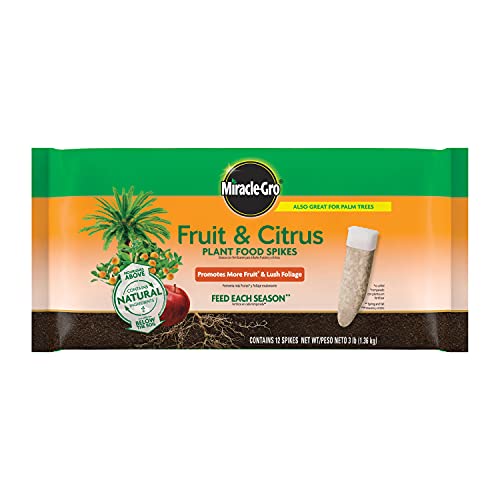
FORMULATED FOR CITRUS AND FRUIT TREES: Use these citrus fertilizer spikes on apple, orange, lemon, lime, and avocado trees; this formula is also great for feeding palm trees

Let our professionally formulated plant food help your fruit tree grow healthy, strong AND abundantly producing
Proper Care and Maintenance
- Water Regularly: Maintain consistent moisture in the soil, especially during dry spells. Water deeply at least once a week to promote healthy root development.
- Prune Wisely: Prune your apple tree annually to remove dead or overcrowded branches. Proper pruning encourages better air circulation and light exposure, promoting earlier fruiting.
- Mulch: Apply a layer of organic mulch around the base of the tree. Mulch retains moisture, suppresses weeds, and improves soil temperature—creating ideal growing conditions.
- Protect from Pests: Monitor for pests and diseases closely. Use organic pesticides or traps when necessary. Keeping your tree healthy prevents stress that can delay fruiting.
- Fertilize Appropriately: Use a balanced fertilizer in early spring. Choose one high in phosphorus to encourage flowering and fruit set. Follow package instructions for application rates.
- Test Soil: Conduct a soil test to determine nutrient levels. Amend the soil based on results to ensure your apple tree has what it needs to thrive.
- Organic Matter: Incorporate compost into the soil annually. This adds essential nutrients, improves soil structure, and promotes healthy microbial activity.
- Micro-nutrients: Ensure your tree gets vital micro-nutrients like zinc and iron. Deficiencies can stunt growth and delay fruit production. Use specific fertilizers if needed.
By implementing these tips, you can significantly enhance the chances of your apple tree producing fruit earlier than expected. Maintaining proper care and addressing nutrient needs creates a thriving environment for growth.
Conclusion
Growing an apple tree can be a rewarding journey filled with anticipation. Remember that patience is key as you nurture your tree through its various stages.
By selecting the right variety and providing optimal care you can influence how soon you’ll see those delicious fruits. Keep an eye on soil quality sunlight and water to ensure your apple tree thrives.
With a little love and attention your apple tree will eventually reward you with a bountiful harvest. Enjoy the process and happy gardening!
Frequently Asked Questions
How long does it take for apple trees to bear fruit?
Apple trees typically take 4 to 6 years to bear fruit if they’re standard varieties. Dwarf trees may produce fruit in as little as 2 to 3 years, while semi-dwarf trees usually yield fruit in 3 to 5 years.
What factors affect when apple trees start producing fruit?
The time it takes for apple trees to bear fruit can be influenced by the tree variety, growing conditions like soil quality and sunlight, and proper care. These elements can significantly affect growth and fruit production timelines.
What are the different types of apple trees?
There are three main types of apple trees: standard, dwarf, and semi-dwarf. Standard trees require more space and take longer to bear fruit, while dwarf trees are compact and bear fruit sooner. Semi-dwarf trees are a middle ground, offering moderate growth and fruiting time.
Can you speed up fruit production in apple trees?
Yes, you can encourage early fruit production by ensuring proper care. Regular watering, smart pruning, applying mulch, protecting from pests, and using a balanced fertilizer can create an optimal environment for quicker fruiting.
Are there specific apple varieties known for early production?
Yes, early apple varieties like Honeycrisp and Fuji can begin producing fruit within 2 to 4 years, making them suitable for gardeners looking for quicker harvests. Late varieties, such as Granny Smith, generally take longer, around 5 to 7 years.
