

Have you ever looked at your fruit trees and wondered if they need a trim? You’re not alone. Many gardeners face this question, unsure whether pruning will help or harm their beloved trees.
Pruning can seem daunting, but it’s a crucial part of keeping your trees healthy and productive. This article will guide you through the reasons why pruning is beneficial, when to do it, and how to get started. By the end, you’ll feel confident in making the right choices for your fruit trees, ensuring they thrive and produce delicious fruit for years to come.
Key Takeaways
- Pruning fruit trees is essential for improving air circulation, sunlight exposure, and overall tree health, leading to better fruit quality and larger yields.
- The best time to prune varies by tree species, with apples and pears ideally pruned in late winter and stone fruits in late spring or early summer.
- Using the right tools like sharp pruners, loppers, and pruning saws, along with proper techniques, ensures effective pruning while minimizing harm to the tree.
- Avoid common pruning mistakes, such as over-pruning and neglecting tree health, to support robust growth and fruit production.
- Regular pruning promotes strong tree structure, makes harvesting easier, and helps manage pest issues by enhancing visibility and accessibility.
Understanding Fruit Tree Pruning
Pruning fruit trees plays a crucial role in their health and productivity. It creates space for growth, improves air circulation, and enhances sunlight penetration. Understanding the benefits and risks will help you make informed pruning decisions.
Benefits of Pruning
- Improved Air Circulation: Pruning removes excess branches, allowing air to flow freely. This helps prevent diseases caused by moisture accumulation.
- Enhanced Sunlight Exposure: Thinning out crowded limbs ensures that more sunlight reaches the inner parts of the tree. Increased light supports fruit production and quality.
- Better Fruit Quality: Pruned trees focus energy on fewer fruits, resulting in larger and tastier produce. You’ll often notice a significant difference in flavor.
- Shape and Structure Maintenance: Pruning helps maintain a strong, balanced shape. A well-structured tree stands up to weather conditions better.
- Stimulated Growth: Cutting back certain branches encourages new growth. This rejuvenation promotes healthy development, resulting in a more robust tree.
- Easier Harvesting: A well-pruned tree offers easier access to fruits. You’ll spend less time climbing and more time enjoying your harvest.
- Overcrowded Branches: Unpruned trees may develop dense foliage. This leads to poor airflow, increasing disease risks.
- Reduced Fruit Production: Trees that aren’t pruned often produce smaller, fewer fruits. Focusing on fewer branches boosts overall yield.
- Structural Weakness: A lack of shaping can result in weak limbs. Heavy fruit loads may cause branches to break easily.
- Pest Problems: Excessive foliage hides pests, making detection challenging. Pruning helps you spot issues before they escalate.
- Limited Accessibility: Untamed growth makes fruit harvesting more difficult. You’ll find yourself struggling to reach your produce.
Understanding pruning’s impact equips you with the knowledge to maintain healthy, productive fruit trees.
When to Prune Fruit Trees
Pruning timing significantly impacts fruit tree health and productivity. Understanding when to prune helps you achieve desired results.
Recommended Products

Sharp & Rustproof: Our garden scissors are made of premium stainless steel material, which has corrosion resistance and good hardness. Sharp blades can quickly finish pruning tasks for gardens, vegetable gardens, orchards, and indoor plants

· ULTRA-SHARP SK5 STAINLESS STEEL - Engineered with premium SK5 stainless steel, these heavy duty pruning shears deliver razor-sharp precision and maximum hardness. The rust-resistant blades are designed to stay sharp longer, effortlessly resisting corrosion and sap buildup for smooth, friction-free garden shears performance year after year.

1:EXTENDABLE REACH FOR LADDER-FREE SAFETY – Acting as both a reliable tree pruner and a fruit picker pole, this tool effortlessly extends from 3.28 to 5.25 FT to reach high branches up to 10 FT from the ground. The innovative rotating and locking head allows for precise angles without unstable ladders or risky stretching, ensuring maximum safety.
Timing for Different Varieties
Pruning fruit trees varies by species.
- Apple Trees: Prune during winter dormancy, from late February to early March, before buds swell.
- Pear Trees: Similar to apples, prune in late winter to early spring, right before new growth begins.
- Stone Fruits (Peaches, Cherries, Plums): Prune in late spring or early summer. This timing helps reduce the risk of diseases like bacterial canker.
- Citrus Trees: Prune in late winter or early spring after the last frost for better growth and fruiting.
Seasonal Considerations
Seasonality affects tree responses to pruning.
- Winter Pruning: Ideal for most fruit trees. Dormant trees concentrate energy on new growth after pruning.
- Early Spring Pruning: Caution is crucial. Avoid pruning if temperatures drop after you cut branches. Cold exposure can harm newly cut areas.
- Summer Pruning: Helps control tree size and encourages healthy growth. However, excessive summer pruning can stress the tree.
- Fall Pruning: Generally avoided as trees prepare for dormancy. Late pruning can make trees vulnerable to winter damage and diseases.
Knowing the best times to prune your fruit trees ensures vigorous growth and fruitful harvests.
How to Prune Fruit Trees
Pruning fruit trees requires the right tools and techniques. Proper execution enhances tree health and fruit production.
Recommended Products

★ 1. What you get: Professional convenient grafting tool set including a dual-use grafting pruner tool contain 2 extra replaceable blades, a wrench and a screwdriver, along with 36pcs wide rubber bands, 150 thick rubber bands and 1 grafting tape, packed in a black wallet to meet all your needs

Pruning Trees Shrubs and Vines No 54 By Gardenway Editors

Effortless Tree Cutting Operation: Designed for smooth and easy cutting of fruit trees, allowing you to finish girdling work with less effort
Tools You Need
- Sharp Pruners: Use bypass pruners for small branches, as they create clean cuts without crushing tissues.
- Loppers: Choose loppers for medium branches. They provide leverage, making it easier to prune thicker growth.
- Saw: A pruning saw tackles larger branches, helping you remove them safely and effectively.
- Gloves: Protect your hands from cuts and scrapes while handling tools and branches.
- Ladder: Use a sturdy ladder to reach higher branches, ensuring safety and stability while you prune.
- Disinfectant: Clean your tools with a disinfectant between cuts to prevent the spread of diseases.
- Assess the Tree: Start by evaluating the overall shape and health of the tree. Look for dead, damaged, or crossing branches.
- Remove Dead or Diseased Wood: Cut back any dead or unhealthy branches to the base or to healthy wood.
- Thin Out Crowded Areas: Identify crowded sections and selectively remove branches to improve airflow and sunlight access. Aim for about 20% of the total branches.
- Shape the Tree: Maintain a central leader or the desired shape. Trim back competing branches to keep the main structure intact.
- Shorten Long Branches: Cut back overly long branches to encourage lateral growth, which supports fruit set.
- Remove Low-Hanging Branches: Keep lower branches clear for better harvesting and to prevent damage during maintenance.
- Make Clean Cuts: Ensure cuts are smooth and angled, minimizing damage to the tree and promoting quicker healing.
Following these steps helps maintain fruitful and healthy trees. Regular pruning establishes a strong foundation, allowing your fruit trees to thrive.
Common Mistakes in Pruning
Pruning fruit trees requires care and attention to detail. Common mistakes can negatively affect tree health and fruit production.
Recommended Products
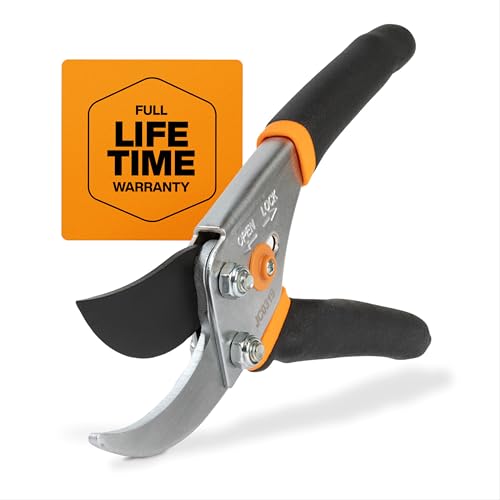
CLEAN CUTS FOR LIVE GROWTH: Bypass blade design is ideal for pruning delicate flower stems and green growth, helping reduce crushing and plant damage while cutting stems and small branches up to 5/8” in diameter
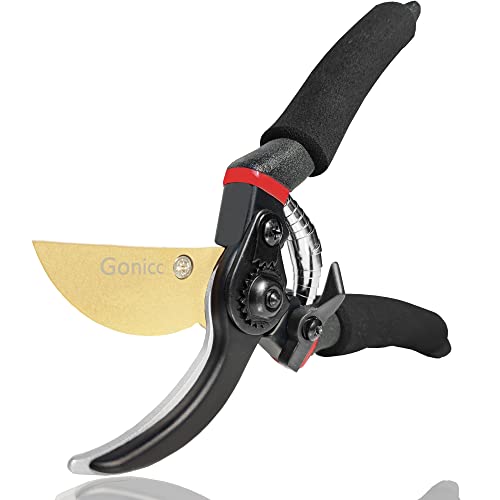
Drop-forged construction delivers exceptional durability and sturdiness for long-term heavy garden use.

IDEAL BRANCH TRIMMER: 28" Steel blade garden bypass lopper that glides through up to 1.5" thick branches for easy cuts; Works well for trimming tree branches to maintain your yard and garden, and to encourage overall plant health and appearance
Over-Pruning
Over-pruning removes too much of the tree, leading to stress and reduced yield. When you cut more than 25% of a tree’s canopy at once, it can shock the tree, making it susceptible to disease. To avoid over-pruning, focus on removing only dead, diseased, or overcrowded branches. Trim gradually. If unsure, prune in stages over multiple years.
Ignoring Tree Health
Ignoring the tree’s health during pruning can lead to long-term problems. Always inspect your tree for signs of disease or pests before starting. Treat any issues before pruning. If branches show decay or significant pest damage, prioritize their removal first. Assessing tree health helps ensure that your pruning supports new growth and fruit production.
Conclusion
Pruning your fruit trees can truly make a difference in their health and productivity. By taking the time to prune correctly and at the right time, you’re setting the stage for a bountiful harvest. Remember to use the right tools and techniques to avoid common mistakes that could hinder your trees’ growth.
As you care for your trees, keep in mind the balance between pruning and allowing them to thrive naturally. With a little patience and practice, you’ll find your trees not only look great but also reward you with delicious fruit year after year. Happy gardening!
Frequently Asked Questions
What are the benefits of pruning fruit trees?
Pruning fruit trees improves air circulation, enhances sunlight exposure, and boosts fruit quality. It helps maintain the tree’s shape and structure, stimulates growth, and makes harvesting easier. Regular pruning ensures your trees remain healthy and productive.
When is the best time to prune fruit trees?
The optimal pruning time varies by type: prune apple and pear trees during winter dormancy, stone fruits like peaches and cherries in late spring to early summer, and citrus trees in late winter or early spring after the last frost.
What tools do I need for pruning fruit trees?
Essential pruning tools include sharp pruners for small branches, loppers for medium branches, a pruning saw for larger branches, gloves for protection, a sturdy ladder for safety, and disinfectant to clean tools between cuts.
What are common pruning mistakes to avoid?
Common mistakes include over-pruning, which can stress the tree and reduce yield, and pruning without assessing tree health first. It’s vital to remove only dead or crowded branches and to maintain a careful approach to ensure healthy growth.
How does pruning affect fruit production?
Pruning directly impacts fruit production by promoting better airflow and sunlight exposure, which enhances fruit quality and yields. It prevents overcrowding, reducing the risk of pests and diseases that can hinder production.
