

Tamarind trees cannot thrive in Iowa due to the state’s cold winters and unsuitable soil conditions. These tropical trees require a warm climate and specific soil types, making them incompatible with the Midwestern environment.
Tamarind Tree Growth Conditions in Iowa
Tamarind trees thrive in warm, tropical climates and require specific conditions to grow successfully. They prefer well-drained soil that is slightly acidic to neutral. Temperatures below freezing can severely damage the tree, making it essential to understand the climate requirements before attempting to grow one in Iowa.
Key growth requirements include:
Temperature: Minimum of 50°F during the growing season
Soil: Well-drained, sandy or loamy soil
Sunlight: Full sun exposure for optimal growth
Recommended Products

Live Tamarind Tree: Includes 1 live tamarind tree, approximately 2-3 feet tall, fully rooted in 1 gallon nursery pot

Live tamarind tree currently 18-24 Inches tall in a 1 gallon pot with a well-established root system

You will receive 1 live Tamarind tree approximately 4–7 inches tall, growing in soil in a 4 inch pot
Iowa Climate Zones for Tamarind Growth
Understanding the climate zones in Iowa is crucial for determining whether tamarind trees can thrive in the region. This section will explore the specific climate conditions across Iowa, highlighting factors such as temperature, humidity, and frost risk that influence the potential for successful tamarind cultivation.
Iowa experiences cold winters with temperatures often dropping below freezing. This climate is not conducive to the growth of tamarind trees. Understanding the climate zones in Iowa can help clarify why these trees struggle in this region.
| Climate Zone | Average Winter Temp | Frost Dates |
|---|---|---|
| Zone 4 | -20°F to -30°F | Late April to Early May |
| Zone 5 | -10°F to -20°F | Late March to Early April |
| Zone 6 | 0°F to -10°F | Early March to Late March |
Tamarind trees require consistent warmth and cannot tolerate frost. The average winter temperatures in Iowa are significantly lower than what is ideal for tamarind growth.
Iowa Soil Types for Tamarind Growth
Understanding the soil types in Iowa is crucial for successfully cultivating tamarind trees in the region. The unique characteristics of Iowa’s soil can significantly impact the growth and health of these tropical trees. This section delves into the various soil types found in Iowa and their suitability for tamarind cultivation.
The soil composition in Iowa varies, but many areas have clay-heavy soil that retains moisture. Tamarind trees prefer well-drained soil that does not stay soggy.
Common soil types in Iowa include:
Clay Soil: Heavy and compact, retains moisture
Sandy Soil: Drains well but may lack nutrients
Loamy Soil: Balanced mixture, ideal for many plants
Tamarind trees will struggle in clay-heavy soils due to poor drainage.
Midwestern Fruit Tree Alternatives
While tamarind trees may struggle to thrive in Iowa’s climate, there are several fruit tree alternatives that can flourish in the Midwest. This section explores various fruit-bearing trees that are well-suited to the region, offering options for home gardeners looking to diversify their landscapes with hardy and productive varieties.
If you are interested in growing fruit-bearing trees in Iowa, consider alternatives that thrive in the local climate. These trees can provide similar benefits without the challenges associated with tamarind.
Recommended Products

Each offer includes one plant grown in a 4 inch pot
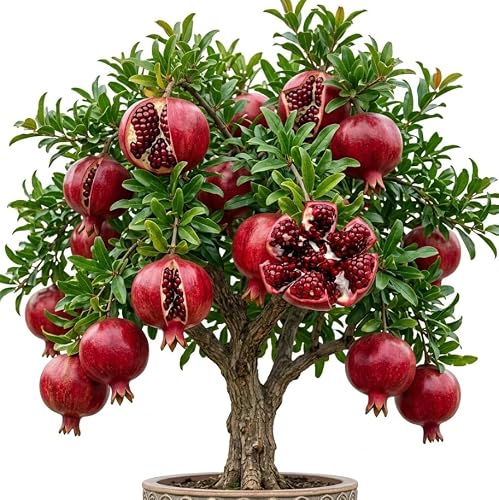
Each order includes a live red pomegranate plant, carefully grown and ready to thrive in your garden or home.

More than 50 years of research has gone into developing cherry trees with cold hardiness, dwarf stature and good fruit quality.
Tamarind Tree Viability in Iowa
Tamarind trees, known for their unique flavor and tropical origins, face challenges when considered for growth in Iowa’s climate. Understanding the specific conditions required for these trees to thrive is essential for any Midwestern gardener interested in cultivating this exotic plant. This section explores the viability of tamarind trees in Iowa, highlighting key factors that influence their success.
Apple Trees: Hardy and adaptable, suitable for colder climates
Cherry Trees: Require full sun and well-drained soil
Pear Trees: Tolerant of various soil types and conditions
Iowa Tree Planting Resources and Guidance
For those considering tamarind trees in Iowa, understanding local planting resources and guidance is essential. The unique climate and soil conditions of the Midwest present specific challenges and opportunities for tree cultivation. This section provides valuable insights and practical advice tailored to help gardeners successfully navigate the nuances of planting in Iowa.
Iowa State University Extension offers resources for selecting and planting trees suitable for the local climate. They provide guidance on soil testing and tree care, ensuring successful growth.
Midwestern Alternatives to Tamarind Trees
While tamarind trees thrive in tropical climates, Midwestern gardeners seeking similar options can explore a range of alternatives suited to Iowa’s climate. This section delves into various tree species that not only offer comparable aesthetic and functional benefits but also adapt well to the unique conditions of the Midwest. Discovering these alternatives can enhance your landscape while ensuring successful growth.
Tamarind trees are not suitable for Iowa’s climate and soil conditions. Attempting to grow them will likely result in poor health or death of the tree. Consider local alternatives that can thrive in the Midwestern environment.
Recommended Products

Product Quantity: 180+ premium bonsai fruit seeds across 5 varieties; Individual packs contain 40+ apple, 40+ lemon, 40+ orange, 20+ blueberry, and 40+ cherry seeds; Perfect for starting a diverse miniature orchard


BEGINNER-FRIENDLY & EASY TO GROW – Perfect for first-time bonsai growers, simple planting and care instructions
