

Have you ever wondered how long it takes for a paw paw tree to bear fruit? If you’re considering planting one, you’re not alone. Many gardeners dream of enjoying the unique flavor of paw paws straight from their own backyard.
Key Takeaways
- Fruiting Timeline: Paw paw trees typically bear fruit 3 to 4 years after planting under ideal conditions, although some varieties may take up to 6 years.
- Pollination Importance: Successful pollination is essential for fruit development; planting multiple trees improves pollination rates.
- Key Growth Factors: Soil quality, sunlight exposure, consistent watering, and regular fertilization significantly affect the growth and fruiting time of paw paw trees.
- Varietal Differences: Different paw paw tree varieties, such as Overleese and Shenandoah, have varying fruiting timelines; selecting the right variety can yield earlier and better fruits.
- Optimal Growing Conditions: Ensure well-drained, slightly acidic soil and provide full sun exposure for optimal growth and fruit production.
Overview of Paw Paw Trees
Paw paw trees (Asimina triloba) thrive in temperate regions and boast large, tropical-tasting fruits. These trees can grow to heights of 10 to 30 feet, featuring broad, dark green leaves that may reach up to 12 inches long.
Paw paws prefer well-drained, loamy soil with a slightly acidic pH. Planting in a sunny location enhances fruit production, though some shade is acceptable. Keep in mind that these trees are understory plants, naturally growing in dappled sunlight.
Pollination plays a critical role in fruit development. Paw paw flowers, which are generally maroon or purple, emit a scent similar to decaying flesh, attracting specific pollinators like flies and beetles. Having multiple trees nearby increases the chance of successful pollination and a more abundant harvest.
Paw paw trees bear fruit in about 3 to 4 years after planting, given that conditions are ideal. Expect the fruit to mature in late summer to early fall. Harvest the fruit when it feels slightly soft to the touch, indicating peak ripeness.
Growth Stages of Paw Paw Trees
Paw paw trees undergo several key stages from seed to fruit-bearing maturity. Understanding these stages helps you care for your trees effectively.
Recommended Products

Let our professionally formulated plant food help your fruit tree grow healthy, strong AND abundantly producing
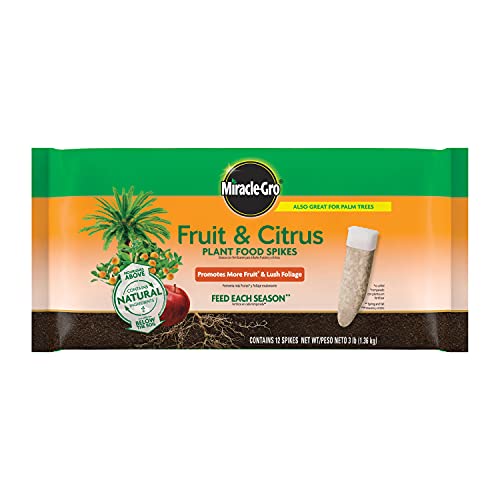
FORMULATED FOR CITRUS AND FRUIT TREES: Use these citrus fertilizer spikes on apple, orange, lemon, lime, and avocado trees; this formula is also great for feeding palm trees

Package contains 9 tree and shrub fertilizer spikes and are produced to avoid wasteful runoff, mess, hazards and smells
Seed Germination
Seeds take about 2 to 3 weeks to germinate under ideal conditions. Keep seeds in a moist environment with temperatures around 70°F to 85°F. Choosing fresh seeds increases the chances of successful germination. Soaking seeds in water for 24 hours before planting can also enhance germination rates. Plant them in well-drained soil, burying them 1 inch deep.
Young Tree Development
Young paw paw trees grow rapidly during their first few years. In the first year, focus on providing adequate water and nutrients. Fertilize with a balanced fertilizer every 4 to 6 weeks during the growing season to support strong growth. By year three, trees often reach heights of 5 to 6 feet. At this stage, consider pruning to encourage a bushier growth habit, which helps increase flower and fruit production later on. You may also need to plant multiple trees nearby to ensure proper pollination for fruit development.
Factors Affecting Fruiting Time
Fruiting time for paw paw trees depends on several factors, including tree variety and growing conditions. Understanding these elements helps optimize growth and fruit production.
Recommended Products

Contains magnesium, iron and manganese to grow lush palms, cyads and tropical plants

Down to Earth Fruit Tree is a five pound box of all natural fertilizer with 6-2-4 formula and is listed by the Organic Materials Review Institute (OMRI) for use in organic production

Contains natural ingredients to feed microbes in the soil
Tree Variety
Different varieties of paw paw trees produce fruit at varying rates. Here are key examples:
- Overleese: This cultivar typically bears fruit in 3 to 4 years. It’s known for its large, sweet fruits.
- Sunflower: This variety fruits around the same time as Overleese but is renowned for its flavor and quality.
- Shenandoah: Fruiting may take 4 to 5 years, but the fruit offers unique taste qualities appreciated by many.
Selecting the right variety can lead to earlier fruiting and better yields.
Growing Conditions
Growing conditions significantly impact how quickly paw paw trees produce fruit. Consider these critical aspects:
- Soil Quality: Well-drained, loamy soil with a pH around 5.5 to 7.0 supports healthy growth and fruiting.
- Sunlight: Full sun exposure promotes faster growth. While paw paws tolerate partial shade, optimal fruit production occurs in sunny locations.
- Watering: Consistent moisture is essential, especially during the growing season. Avoid waterlogged conditions, as they hinder development.
- Nutrient Supply: Fertilizing every 4 to 6 weeks during the growing season with a balanced fertilizer enhances growth. This support leads to more robust trees and quicker fruit development.
By focusing on these factors, you can improve fruiting times and enjoy fresh paw paws sooner.
Expected Timeframe for Fruiting
Paw paw trees typically produce fruit within a specific timeframe under optimal conditions. Understanding this timeframe helps you plan for that first harvest.
Recommended Products

Versatile Fruit Use: Ripe Pawpaw fruit can be eaten fresh to experience its unique flavor and creamy texture. The pulp is also commonly used in making desserts, ice cream, smoothies, or baked goods, adding a North American touch to home recipes.

Soil and Growing Conditions: Prefers rich, well-drained soil, benefits from some afternoon shade when young, and is resistant to most pests and diseases once established

1.Grow Native Pawpaw Trees Plant Asimina triloba, commonly known as Pawpaw, a deciduous fruit tree valued for its tropical-looking foliage and unique fruit. Suitable for backyard orchards and edible landscapes.
General Fruiting Timeline
Paw paw trees usually bear fruit 3 to 4 years after planting. However, some factors can affect this timeline. For instance, tree variety plays a crucial role. Varieties like Overleese generally produce fruit at around 3 to 4 years, while others, such as Shenandoah and Sunflower, might take a bit longer, sometimes reaching maturity around 4 to 6 years.
Ideal growing conditions also matter. Ensure your trees get plenty of sunlight and consistent watering to support their growth. Good soil quality enhances the chances of a quicker fruiting period.
Early Fruiting Practices
Implementing specific practices can help speed up the fruiting process. Here are some actionable steps:
- Choose the Right Variety: Select early-bearing varieties like Overleese for quicker results.
- Plant Multiple Trees: This encourages cross-pollination, boosting fruit production.
- Monitor Soil Quality: Test the soil, ensuring it remains well-drained and slightly acidic.
- Water Consistently: Keep the soil moist but not waterlogged during dry spells.
- Fertilize Regularly: Use a balanced fertilizer every 4 to 6 weeks in the growing season for optimal growth.
By following these practices, you can maximize your paw paw trees’ potential and enjoy fresh fruit sooner.
Conclusion
Growing a paw paw tree can be a rewarding experience that brings unique flavors to your garden. With the right conditions and care you can expect to enjoy your first fruits in about 3 to 4 years. Remember to choose early-bearing varieties and plant multiple trees for optimal pollination.
By nurturing your paw paw tree with consistent watering and proper fertilization you’ll set the stage for a bountiful harvest. So get ready to savor the tropical taste of fresh paw paws right from your backyard. Happy gardening!
Frequently Asked Questions
How long does it take for paw paw trees to bear fruit?
Paw paw trees typically begin to bear fruit in about 3 to 4 years under ideal conditions. Factors such as tree variety and growing conditions can influence this timeframe, with some varieties taking up to 6 years to produce fruit.
What conditions are best for growing paw paw trees?
Paw paw trees thrive in well-drained, loamy soil with a slightly acidic pH. They prefer sunny locations but can tolerate some shade. Providing adequate water and nutrients is essential for healthy growth.
How can I improve the germination rate of paw paw seeds?
To enhance the germination rate, soak fresh seeds in water for 24 hours before planting. Ensure they are in a moist environment with temperatures between 70°F to 85°F, as seeds typically germinate in 2 to 3 weeks.
Why is pollination important for paw paw trees?
Pollination is crucial for the development of paw paw fruit. The flowers attract specific pollinators like flies and beetles, and planting multiple trees nearby can help ensure better cross-pollination and fruit production.
What varieties of paw paw trees are recommended for quick fruiting?
Early-bearing varieties like Overleese are recommended for gardeners looking to enjoy fruit sooner. Other varieties, such as Sunflower and Shenandoah, may take longer, with some requiring 4 to 6 years to bear fruit.
