

Avocado trees can thrive in Massachusetts with proper care and attention to local climate conditions. Selecting cold-hardy varieties and implementing protective measures during winter months are essential for successful growth in New England.
Cold-Hardy Avocado Varieties for Massachusetts
Growing avocado trees in Massachusetts presents unique challenges due to the region’s colder climate. However, certain cold-hardy avocado varieties have been developed to withstand lower temperatures, making it possible for enthusiasts and gardeners to cultivate these popular fruits in New England. Understanding these varieties is essential for successful avocado cultivation in this northern environment.
Choosing the right avocado variety is crucial for success in Massachusetts. Some varieties can withstand lower temperatures and are more suitable for the region’s climate. The following cold-hardy options are recommended:
Bacon: Tolerates temperatures down to 26°F. Produces medium-sized fruit with a creamy texture.
Fuerte: Can survive temperatures as low as 28°F. Known for its smooth skin and rich flavor.
Zutano: Hardy to about 25°F. Offers a mild taste and is often used in salads.
These varieties are more resilient and can adapt better to the fluctuating temperatures of New England.
Recommended Products
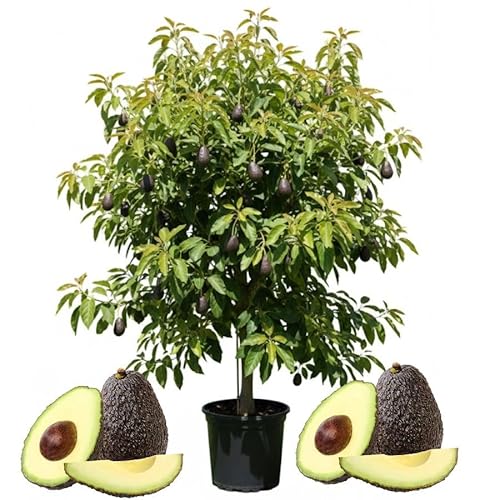
Hass Avocado Plant - 3 Gallon Size


Easy to Grow – Requires minimal care and thrives in full sun or partial shade
Avocado Variety Temperature Tolerance Data
Understanding the temperature tolerance of different avocado varieties is crucial for successful cultivation in Massachusetts. This section provides detailed data on how various avocado types withstand the region’s climate, helping growers make informed decisions about which varieties to plant for optimal growth and fruit production in New England’s unique environment.
| Variety | Minimum Temperature | Fruit Size | Flavor Profile |
|---|---|---|---|
| Bacon | 26°F | Medium | Creamy |
| Fuerte | 28°F | Medium | Rich |
| Zutano | 25°F | Medium | Mild |
Site Selection for Avocado Trees
Selecting the right site for avocado trees in Massachusetts is crucial for their successful growth and fruit production. Factors such as soil quality, sunlight exposure, and protection from harsh weather conditions play a significant role in ensuring these trees thrive in New England’s unique climate. Understanding these elements will help growers maximize their chances of cultivating healthy avocado trees.
Preparing the planting site is a vital step in ensuring healthy avocado trees. Select a location that receives full sun for at least six hours daily.
The soil should be well-draining to prevent root rot. Follow these steps for site preparation:
Test Soil: Check pH levels; avocados prefer slightly acidic to neutral soil (pH 6-7).
Amend Soil: Add organic matter such as compost to improve drainage and nutrient content.
Clear Debris: Remove rocks, weeds, and other obstructions to create a clean planting area.
Proper site preparation sets the foundation for healthy growth.
Essential Maintenance for Avocado Trees
Maintaining avocado trees in Massachusetts requires specific attention to their unique needs in a cooler climate. Proper care, including pruning, watering, and pest management, is essential for ensuring healthy growth and fruit production. Understanding these maintenance practices can significantly enhance the success of cultivating avocado trees in New England.
Caring for avocado trees involves regular maintenance and attention to environmental factors. Here are some key logistics:
Watering: Ensure consistent moisture without waterlogging. Water deeply but infrequently.
Fertilizing: Use a balanced fertilizer designed for fruit trees, applying it in early spring and late summer.
Pruning: Trim dead or crossing branches to promote airflow and sunlight penetration.
Regular care helps maintain tree health and fruit production.
Cold Weather Strategies for Avocado Trees
Growing avocado trees in Massachusetts presents unique challenges due to the region’s cold climate. To ensure these tropical plants thrive, it’s essential to implement effective cold weather strategies. This section explores practical methods for protecting avocado trees from frost and ensuring their successful growth in New England’s unpredictable weather conditions.
Massachusetts winters can be harsh, making it essential to protect avocado trees from freezing temperatures. Implement the following strategies:
Mulching: Apply a thick layer of mulch around the base to insulate roots.
Frost Cloth: Use frost cloths during cold snaps to cover young trees.
Microclimates: Plant in sheltered areas, such as near a south-facing wall, to take advantage of warmer microclimates.
These protective measures can significantly enhance the chances of survival during winter months.
Recommended Products

The Large plant cover is perfect for Plant size 55''-70"high and 84''-94" round, Heavy-weight FRCs (1.77oz./sq. yard): usually used to extend the growing season in spring and fall, allow 40%-60% light transmittance, and recommend 3°-8°F of freeze protection
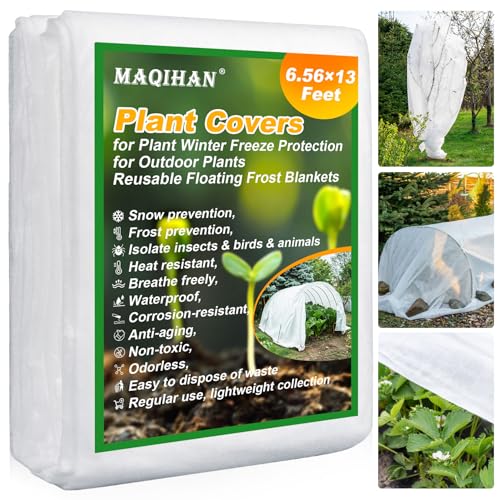
Product Features: Our plant covers are ideal for protecting all plant. Made from premium 1 oz/sq non-woven fabric, their durability and breathability ensuring both insulation against frost and facilitation of sunlight penetration for healthy plant growth

The small plant cover is perfect for Plant size 16''-23"high and 36''-46" round, Heavy-weight FRCs (1.77oz./sq. yard): usually used to extend the growing season in spring and fall, allow 40%-60% light transmittance, and recommend 3°-8°F of freeze protection
Avocado Tree Growth Stages in New England
Understanding the growth stages of avocado trees is essential for successful cultivation in New England’s unique climate. This section delves into the specific phases of development these trees undergo, from planting to maturity, highlighting the adaptations necessary for thriving in Massachusetts. By examining each stage, aspiring growers can better navigate the challenges and opportunities presented by this region.
Understanding the growth stages of avocado trees can help in planning care strategies. Here’s a breakdown of the growth phases:
Germination: Takes 2-6 weeks for seeds to sprout.
Seedling Stage: Lasts 6-12 months; focus on establishing roots and leaves.
Mature Tree: Begins producing fruit typically after 3-4 years.
Monitoring these stages allows for timely interventions and care adjustments.
Avocado Tree Challenges in Massachusetts
Growing avocado trees in Massachusetts presents unique challenges due to the region’s climate and soil conditions. Cold winters and fluctuating temperatures can hinder growth and fruit production, while pests and diseases also pose significant risks. Understanding these obstacles is crucial for anyone looking to cultivate avocados successfully in New England.
Avocado trees may face several challenges in Massachusetts. Identifying and addressing these issues promptly is essential. Common problems include:
Pests: Aphids and spider mites can damage foliage. Use insecticidal soap for treatment.
Diseases: Root rot can occur in poorly drained soil. Ensure proper drainage to prevent this issue.
Nutrient Deficiencies: Yellowing leaves may indicate a lack of nitrogen. Apply a nitrogen-rich fertilizer as needed.
Addressing these issues quickly can prevent long-term damage to the trees.
Recommended Products

The medium plant cover is perfect for Plant size 30''-39"high and 52''-62" round, Heavy-weight FRCs (1.77oz./sq. yard): usually used to extend the growing season in spring and fall, allow 40%-60% light transmittance, and recommend 3°-8°F of freeze protection

Premium breathable material - The winter plant covers are made of quality lightweight and breathable non-woven fabric.Not only protect a plant from cold air,birds, insects, other pests eating,but also make plants breathe smoothly and obtain sufficient sunlight and moisture

Extra Large Size: designed with a super large size 47" x 71", easy to cover shrubs, rose bush and small trees such as fig citrus avocado tree, or even a row of potted plants gathered together
Winter Protection Strategies for Avocado Trees
Avocado trees, while thriving in warmer climates, face unique challenges in Massachusetts winters. To ensure their survival and productivity, implementing effective winter protection strategies is crucial. This section explores various methods to shield these trees from harsh conditions, helping gardeners achieve success even in New England’s colder months.
Failing to protect avocado trees during winter can lead to severe damage or death. Implement protective measures early to ensure their survival.
Essential Practices for Avocado Success
Growing avocado trees in Massachusetts presents unique challenges due to the region’s climate. However, with the right techniques and care, it is possible to cultivate healthy trees that can thrive despite the cold winters. This section outlines essential practices that can help ensure success for avocado growers in New England.
To ensure the success of avocado trees in Massachusetts, follow these final steps:
Monitor Weather: Stay informed about temperature fluctuations and frost warnings.
Adjust Care: Modify watering and fertilization based on seasonal changes.
Harvest Properly: Wait until avocados are mature before harvesting for the best flavor.
By adhering to these guidelines, growers can enjoy the benefits of homegrown avocados even in New England’s climate.
