

Growing banana trees in Missouri can be successfully achieved with the right techniques and care. Homeowners should focus on selecting the right varieties, understanding climate needs, and implementing proper cultivation practices to thrive in this region.
Best Banana Varieties for Missouri Climate
Choosing the appropriate banana variety is crucial for successful growth in Missouri’s climate. The most suitable types for this region include the Dwarf Cavendish and Blue Java. These varieties are known for their cold tolerance and adaptability to varying conditions.
Dwarf Cavendish: Compact size, sweet fruit, and resilient against wind.
Blue Java: Known as the “ice cream banana” for its creamy texture and blueish hue.
| Variety | Height | Cold Tolerance | Fruit Flavor |
|---|---|---|---|
| Dwarf Cavendish | 4-6 feet | Moderate | Sweet |
| Blue Java | 8-10 feet | High | Creamy |
Recommended Products

CHOOSE YOUR FAVORITE BANANA VARIETY – Select from Grand Nain, Dwarf Cavendish, Double Mahoi, Curly Tiny, or Basjoo Banana plants. Each variety offers unique characteristics, from sweet edible fruit to striking ornamental foliage and cold-hardy landscape performance.
CHOOSE YOUR FAVORITE BANANA VARIETY – Select from Grand Nain, Dwarf Cavendish, Double Mahoi, Curly Tiny, or Basjoo Banana plants. Each variety offers unique characteristics, from sweet edible fruit to striking ornamental foliage and cold-hardy landscape performance.

Growing banana plants at home promotes sustainability and self-sufficiency. Customers can reduce their reliance on store-bought bananas, which often come from far distances, and enjoy the satisfaction of harvesting their own organic fruit.
Banana Tree Climate and Soil Requirements in Missouri
Growing banana trees in Missouri can be challenging due to the region’s climate and soil conditions. Understanding the specific requirements for temperature, humidity, and soil type is essential for successful cultivation. This section delves into the ideal environmental factors that homeowners should consider to ensure their banana trees thrive in Missouri’s unique conditions.
Missouri’s climate can be challenging for banana trees due to its cold winters. Planting in a protected area is essential. The soil should be well-draining and rich in organic matter.
Temperature Requirements: Ideal growth occurs between 75°F and 95°F. Protect young plants from frost.
Soil Composition: Use a mix of loamy soil and compost to enhance drainage and nutrient content.
Site Preparation for Banana Trees
Proper site preparation is crucial for successfully growing banana trees in Missouri’s unique climate. This process involves selecting the right location, ensuring adequate drainage, and amending the soil to create an optimal environment for these tropical plants. By carefully preparing the site, homeowners can set the stage for healthy growth and fruitful yields.
Before planting, prepare the site to ensure optimal growth conditions. This involves clearing debris and testing soil pH.
Clear the Area: Remove weeds and rocks to prevent competition for nutrients.
Test Soil pH: Aim for a pH between 5.5 and 7.0 for best results.
Banana Tree Care and Maintenance Strategies
Caring for banana trees in Missouri requires specific strategies to ensure their health and productivity. Understanding the unique climate challenges and soil conditions of the region is essential for successful growth. This section outlines effective maintenance techniques that can help homeowners cultivate thriving banana trees despite the local environment.
Proper care is vital for healthy banana trees. This includes regular watering, fertilization, and pest management.
Watering: Ensure consistent moisture without waterlogging. Use mulch to retain soil moisture.
Fertilizing: Apply a balanced fertilizer every 6-8 weeks during the growing season. Look for products high in potassium.
Pest Control: Monitor for pests like aphids and spider mites. Use organic insecticidal soap as needed.
Frost Protection Techniques for Banana Trees
Frost can pose a significant threat to banana trees, especially in Missouri’s unpredictable climate. Implementing effective frost protection techniques is essential for ensuring the health and productivity of these tropical plants. This section will explore various strategies that homeowners can use to safeguard their banana trees from cold damage.
During colder months, implement protection strategies to shield your banana trees from frost damage.
Mulching: Apply a thick layer of mulch around the base to insulate roots.
Covering: Use frost cloths or burlap to cover plants during extreme cold snaps.
Banana Tree Growth Problem Solutions
Growing banana trees in Missouri can present unique challenges due to the region’s climate and soil conditions. Homeowners may encounter various growth problems that can hinder the health and productivity of their plants. This section provides targeted solutions to common issues faced by banana tree growers, ensuring a thriving garden despite local obstacles.
Identifying and addressing common problems can enhance the success of growing banana trees in Missouri.
| Symptom | Primary Suspect | Difficulty (1-5) |
|---|---|---|
| Yellowing Leaves | Nutrient Deficiency | 3 |
| Wilting Plants | Underwatering | 4 |
| Brown Leaf Edges | Overwatering | 3 |
Recommended Products
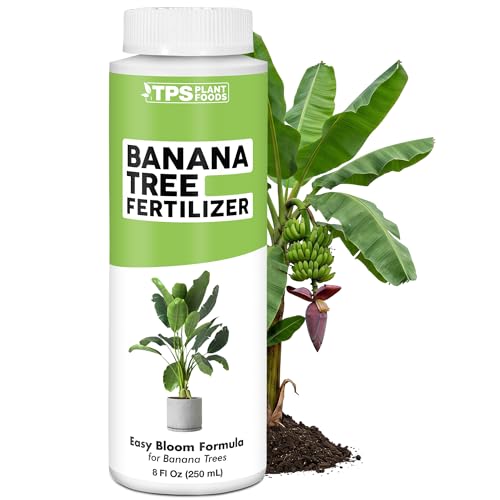
Made for Banana Trees – Specially formulated banana fertilizer designed to support the nutrient needs of banana plants.

2X MORE VALUE: The 16 oz bottle of Banana Plant Fertilizer makes 16 gallons of banana fertilizer for fruit trees, while the bigger size 32 oz bottle makes 32 gallons for lasting care of your banana trees.

Let our professionally formulated plant food help your fruit tree grow healthy, strong AND abundantly producing
Nutrient Deficiency Solutions for Banana Trees
Banana trees thrive in nutrient-rich environments, but homeowners in Missouri may encounter specific deficiencies that hinder growth. Understanding how to identify and address these nutrient shortfalls is crucial for cultivating healthy plants. This section provides targeted solutions to common nutrient deficiencies, ensuring your banana trees flourish in the local climate.
If leaves turn yellow, it may indicate a lack of nutrients.
- Solution: Apply a nitrogen-rich fertilizer to promote green foliage.
Watering Strategies for Healthy Banana Trees
Proper watering is crucial for the health and growth of banana trees, especially in Missouri’s varying climate. Understanding the specific needs of these tropical plants will help ensure they thrive. This section outlines effective watering strategies tailored for banana trees, providing homeowners with practical tips to maintain optimal moisture levels.
Wilting can signal either underwatering or overwatering.
- Solution: Check soil moisture levels regularly and adjust watering frequency accordingly.
Banana Harvesting Techniques for Missouri Gardens
Harvesting bananas in Missouri requires a tailored approach due to the region’s unique climate and growing conditions. Understanding the optimal timing, techniques, and care for banana plants can significantly enhance yield and fruit quality. This section delves into effective harvesting strategies specifically suited for Missouri gardens, ensuring homeowners can enjoy a successful banana harvest.
Once your banana trees bear fruit, harvesting is straightforward. Wait until the bananas turn yellow and are slightly soft to the touch.
Timing: Harvest when fruits are plump and fully developed.
Storage: Store harvested bananas at room temperature to ripen further.
Successful Banana Cultivation in Missouri
Growing banana trees in Missouri presents unique challenges due to the state’s climate, but with the right techniques and care, success is achievable. This section explores effective strategies and expert tips for cultivating healthy banana plants, ensuring that homeowners can enjoy the fruits of their labor despite the regional limitations. Discover the essential practices that lead to fruitful banana cultivation in this environment.
Growing banana trees in Missouri requires careful planning and attention to detail. With the right variety selection, climate considerations, and maintenance strategies, homeowners can enjoy a fruitful harvest.
