

Have you ever wondered whether a kiwi is a plant or a tree? Picture this: you’re at the grocery store, browsing through the fresh produce section, and you come across those fuzzy, green kiwis. You may have even pondered how they grow and what exactly a kiwi plant looks like. In this article, we’ll explore the intriguing world of kiwis and uncover whether they are classified as plants or trees.
By delving into this topic, you’ll gain a better understanding of the unique characteristics of kiwis and how they fit into the botanical world. Whether you’re a curious consumer or simply interested in nature’s wonders, discovering the truth about kiwis can add a new layer of knowledge to your daily life. Get ready to unravel the mystery of whether a kiwi is a plant or a tree.
Key Takeaways
- Kiwi plants belong to the Actinidia genus and are woody vines that can grow up to 30 feet in height.
- They require support structures to climb and thrive, well-drained soil, and adequate sunlight for optimal growth.
- Kiwi plants produce fuzzy, brown fruits rich in vitamin C, fiber, and antioxidants, making them a nutritious addition to one’s diet.
- To cultivate kiwis successfully, provide proper spacing, regular watering, and pruning to maintain plant health and encourage fruiting.
- Kiwi plants support biodiversity and sustainable agriculture by providing food and habitat for wildlife.
- Understanding that kiwis are woody vines, not trees, enhances appreciation for their beauty and utility in gardens and ecosystems.
Overview of Kiwi
Delve into the unique characteristics of kiwi plants to understand their classification in the botanical world. By unraveling the mystery of kiwis, you can enhance your knowledge of nature’s wonders.
- Kiwi Classification:
Kiwi plants belong to the Actinidia genus, primarily Actinidia deliciosa. These plants are known for their attractive foliage, delicious fruits, and climbing habits. - Growth Habit:
Kiwi plants are woody vines that can grow up to 30 feet in height. They require support structures to climb and thrive in well-drained soil with adequate sunlight. - Fruiting:
Kiwi plants produce fuzzy, brown fruits known for their tangy-sweet flavor. The fruits are rich in vitamin C, fiber, and antioxidants, making them a nutritious addition to your diet. - Flowering Time:
Kiwi plants typically flower in the spring, with beautiful white blossoms that attract pollinators like bees for fruit production. - Cultivation:
To grow kiwis, ensure proper spacing for the vines, regular watering, and pruning to maintain plant health and encourage fruiting. - Environmental Impact:
Kiwi plants support biodiversity by providing food and habitat for wildlife. Their cultivation contributes to sustainable agriculture practices.
By understanding the botanical characteristics and cultivation requirements of kiwi plants, you can appreciate the beauty and utility they bring to both gardens and ecosystems. Keep exploring the world of kiwis to enrich your botanical knowledge further.
What is a Kiwi?
Let’s dive into the fascinating world of kiwis. Kiwis are not trees; they are woody vines. These vines belong to the Actinidia genus, with the most well-known species being Actinidia deliciosa. The main characteristic of kiwi plants is their ability to climb and grow up to 30 feet in height.
These plants do not stand independently like trees; instead, they require support structures to help them climb and thrive. When cultivating kiwis, it’s important to ensure they have access to well-drained soil and receive an adequate amount of sunlight to flourish.
The fruits of kiwi plants are well-loved for their unique tangy-sweet flavor and high nutritional content. They typically flower in the spring, attracting pollinators such as bees, which aid in the fruiting process.
To successfully grow kiwis, proper care is essential. This includes providing adequate spacing between plants, ensuring consistent watering, and regular pruning to maintain plant health and productivity. By following these steps, you can contribute to biodiversity and engage in sustainable agriculture practices.
Understanding that kiwis are woody vines rather than trees enhances your appreciation for their beauty and utility in both gardens and natural ecosystems. So next time you enjoy a delicious kiwi fruit, remember the remarkable journey it took from a climbing vine to your plate.
Growing Kiwi Plants
When growing kiwi plants, it’s essential to follow specific guidelines to ensure they thrive and produce the tangy-sweet fruits you love. Here are some key steps to consider:
Recommended Products

Versatile garden arch, perfect for event, wedding, and garden decoration. A must-have for your special occasions.

Adjustable Height & Versatile Design – This 6ft tall obelisk trellis features 4 adjustable rings to support plants at every growth stage. Perfect for roses, clematis, jasmine, tomatoes, cucumbers, and other climbing plants in pots, raised beds, or garden grounds.

Versatile garden arch, perfect for event, wedding, and garden decoration. A must-have for your special occasions
Selecting the Right Variety
Choosing the right kiwi plant variety is crucial for successful cultivation. Opt for Actinidia deliciosa if you prefer the traditional kiwi fruit or consider Actinidia arguta for smaller, smoother fruits. Ensure you pick a variety suitable for your climate zone to support healthy growth.
Planting Location and Soil Preparation
Kiwi plants require well-draining soil with a slightly acidic pH level. Select a sunny location that receives at least six hours of sunlight daily. Prior to planting, prepare the soil by mixing organic matter such as compost to improve drainage and nutrient content.
Providing Support Structures
Due to their vine-like nature, kiwi plants need sturdy support structures to grow properly. Install a trellis or arbor that can withstand the weight of the vines and fruits as they mature. Proper support ensures the plants grow upward, making harvesting easier.
Watering and Fertilization
Consistent watering is essential for kiwi plants, especially during dry periods and fruit development. Ensure the soil remains moist but not waterlogged. Fertilize the plants in the spring with a balanced fertilizer to promote healthy growth and fruit production.
Pruning and Training
Regular pruning is necessary to keep kiwi plants manageable and encourage fruiting. Prune in late winter or early spring to remove old wood and shape the plant. Train the vines along the support structure, ensuring proper airflow and sunlight penetration for optimal fruit development.
Pollination
Kiwi plants have separate male and female flowers on different plants, requiring cross-pollination for fruit set. If you have a single plant, consider growing both male and female varieties or introduce pollinators like bees to ensure successful pollination.
Following these steps will help you cultivate healthy kiwi plants that yield delicious fruits for your enjoyment. By providing the right care and attention, you can enjoy a bountiful harvest of kiwis in your own garden.
Differentiating between Kiwi Plant and Tree
When considering kiwi cultivation, it’s essential to distinguish between the kiwi plant and tree to properly care for these fruitful vines.
- Kiwi Plant:
A kiwi plant refers to the vine-like structure that produces the beloved fuzzy fruits. These plants require a support system, such as a trellis or pergola, to grow well and bear fruit. Kiwi plants belong to the Actinidia genus and include varieties like Actinidia deliciosa (kiwifruit) and Actinidia arguta (hardy kiwi). - Kiwi Tree:
Contrary to popular belief, kiwis do not grow on trees. The term “kiwi tree” may be misleading as kiwis are primarily grown on vigorous, woody vines that wrap around structures to thrive. These vines are trained to grow vertically but are not classified as trees.
Understanding the difference between a kiwi plant and tree is crucial for successful kiwi cultivation. By providing proper support and care, you can enjoy a bountiful harvest of delicious kiwi fruits from your thriving plants.
Recommended Products

Small Size - Length: 10.2"/26 cm; Upside width: 6.1"(15.5 cm); Underside width: 2.2"(5.5 cm), perfect small trellis for potted plants. Dark green makes it invisible for beauty

High-quality material: Our plant trellis is made of high-quality steel wire with coating on the surface, smooth to the touch, and not easy to rust after long-term use. Sturdy steel wire is not easy to break and bend, enough to provide stable support for plants
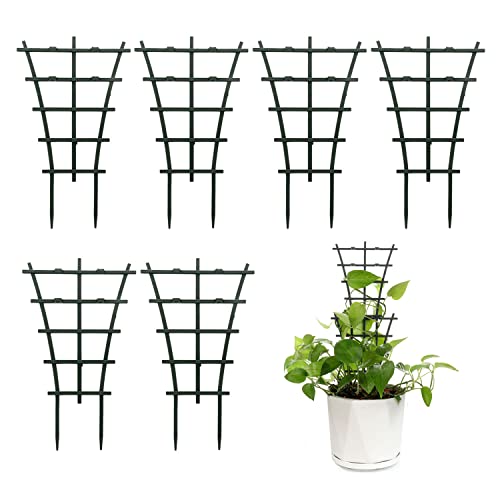
【Upgarded New Version】Our plant trellis is upgraded with high quality new material, increase the weight by 31%, reinforced to be more sturdier, providing stronger support for your potted plants
Conclusion
You’ve now learned about the intricacies of kiwi cultivation, distinguishing between kiwi plants and trees. Remember, providing the right support structures, like trellises or pergolas, is crucial for vine-like kiwi plants to thrive. By understanding these differences, you’re on your way to a successful kiwi-growing journey. Enjoy the process and look forward to a bountiful harvest of delicious kiwi fruits. Happy gardening!
Frequently Asked Questions
Recommended Products

Support for Tall Plant: This trellis kit provides 7.87” support for your tomatoes, peppers and more

✿Unique Design: Our potted plant trellis for climbing plants designed specifically to be superimposed, and easy to adjust as the plants grow; The mini garden trellis give your climbing plants the support they need to grow their best

Customizable A-Frame Structure: Elevate your garden with our versatile Adjustable-size A-frame garden trellis for cucumbers. Crafted with 37 straight stakes of 15.74 inches, 2 longer straight stakes of 18.1 inches, 4 A-Fork connectors, and 4 straight connectors, this trellis adapts to your garden's needs, providing optimal support for cucumber plants and other climbing vegetables.
Q: What is the first step in successfully growing kiwi plants?
A: Choose the right kiwi variety suitable for your climate and available space.
Q: How should I prepare the soil for planting kiwi plants?
A: Ensure well-draining soil with a pH level between 5.5 and 7.0 by adding organic matter like compost.
Q: Do kiwi plants need support structures to grow?
A: Yes, vine-like kiwi plants require support systems like trellises or pergolas for optimal growth.
Q: What is essential for successful kiwi plant growth in terms of watering?
A: Provide consistent watering, especially during the growing season, to keep the soil moist but not waterlogged.
Q: How often should I fertilize kiwi plants?
A: Fertilize kiwi plants with a balanced fertilizer three times a year – in early spring, late spring, and early summer.
Q: Is pruning necessary for kiwi plants?
A: Yes, pruning is essential to promote air circulation, fruit production, and manage the plant’s size.
Q: Do kiwi plants require cross-pollination?
A: Yes, most kiwi plants need cross-pollination for fruit production, typically requiring planting male and female vines.
