

Jujube trees are like essential members of a neighborhood, playing a key role in keeping the environment in balance. These trees provide a home for wildlife, help prevent soil erosion, and store carbon. They're real unsung heroes!
But there's even more to learn about how jujube trees affect the ecosystems they're part of.
Key Takeaways
- Jujube trees provide vital habitat for diverse wildlife species, contributing to wildlife conservation.
- They aid in soil conservation through sustainable land management practices such as cover cropping and mulching.
- Jujube trees play a crucial role in carbon sequestration, mitigating climate change and improving air quality.
- They support pollinators and promote biodiversity through their flowers, fruits, and structure.
Jujube Trees: A Vital Habitat for Wildlife
Jujube trees provide a vital habitat for a diverse array of wildlife, supporting a rich and interconnected ecosystem. As these trees grow, they create a suitable environment for various species, contributing to wildlife conservation and habitat restoration efforts.
The dense foliage of jujube trees offers shelter for birds, providing nesting sites and protection from predators. Small mammals like squirrels and rabbits find refuge among the branches, while insects and pollinators thrive in the blossoms and fruits.
Moreover, the fallen fruits sustain ground-feeding animals, completing the cycle of life within the ecosystem. By understanding the pivotal role of jujube trees in supporting local wildlife, conservationists can emphasize the significance of preserving and planting these trees to maintain and restore diverse habitats for a range of species.
Soil Conservation and Erosion Control
To effectively address soil conservation and erosion control, it's essential to implement sustainable land management practices and utilize natural resources in a responsible manner. Proper measures can contribute to water retention, nutrient cycling, land reclamation, and slope stabilization.
- Water Retention: Implementing techniques such as cover cropping and mulching help to retain moisture in the soil, reducing erosion and improving overall soil health.
- Nutrient Cycling: Practices like crop rotation and organic composting facilitate the cycling of essential nutrients, maintaining soil fertility and structure.
- Land Reclamation: Utilizing jujube trees and other native vegetation can aid in reclaiming degraded land, restoring its productivity and ecological balance.
- Slope Stabilization: Planting deep-rooted vegetation helps stabilize slopes, preventing soil erosion and landslides.
Carbon Sequestration and Air Quality Improvement
Improving air quality and sequestering carbon are vital components of preserving the local ecosystem's health and sustainability. Jujube trees play a crucial role in carbon sequestration, effectively removing carbon dioxide from the atmosphere and storing it in their biomass, thereby mitigating climate change. Furthermore, their impact on air quality improvement is significant, as they release oxygen during photosynthesis, reducing air pollution and creating a healthier environment. The environmental restoration facilitated by jujube trees is essential for maintaining a balanced ecosystem and combating the effects of climate change. Below is a table illustrating the correlation between jujube trees and carbon sequestration, as well as air quality improvement.
| Jujube Trees | Benefits |
|---|---|
| Carbon Sequestration | Stores carbon dioxide, mitigating climate change |
| Air Quality Improvement | Releases oxygen, reducing air pollution |
Pollinator Support and Biodiversity Enhancement
Supporting pollinators and enhancing biodiversity in your local ecosystem is a natural extension of the vital role jujube trees play in carbon sequestration and air quality improvement. Jujube trees contribute to pollinator conservation and ecosystem resilience in the following ways:
- Abundant Nectar: Jujube flowers produce ample nectar, attracting and sustaining a diverse array of pollinators such as bees, butterflies, and birds.
- Habitat Provision: The structure of jujube trees, from their dense foliage to their sturdy branches, offers nesting sites and shelter for various wildlife species.
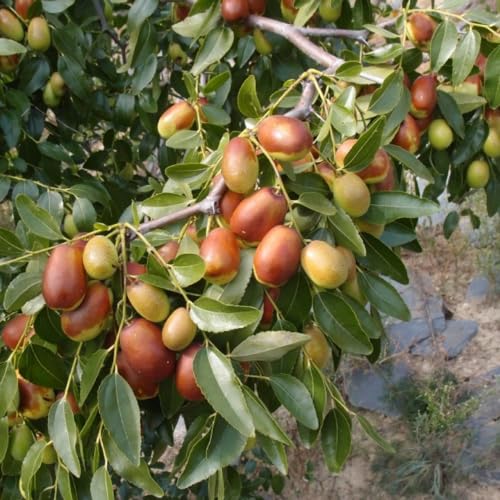
- Food Source: Jujube fruits provide nourishment for a wide range of animals, promoting biodiversity and supporting the food web within the ecosystem.
- Enhanced Plant Diversity: Jujube trees facilitate the growth of companion plants, fostering a more diverse and resilient local plant community.
Recommended Products
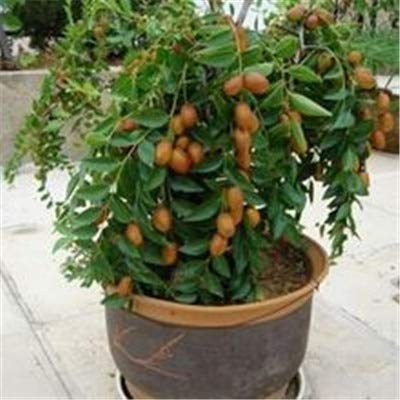
5 pcs/ lot Taiwan Big Jujube Outdoor Sweet Fruit Succulent Plant Tree Bonsai Pot Plant SeedsDIY Home Garden Easy to Grow : 6

Grow Your Own Fruit - Produces large, high-quality fruit with a sweet, crisp, apple-like flavor - excellent for fresh eating or drying
Economic Benefits for Local Communities
Jujube trees can bring substantial economic benefits to local communities, offering opportunities for sustainable income and diversifying agricultural ventures. Community development is fostered as jujube cultivation creates employment opportunities, particularly in rural areas where job options may be limited.
The market demand for jujube fruits and products has been steadily growing, resulting in economic growth for local communities. By tapping into this demand, farmers can enhance their livelihoods and contribute to the overall prosperity of the region.
Furthermore, the cultivation of jujube trees can provide a foundation for value-added products, such as jujube-based snacks, juices, and jams, which can further stimulate economic activity.
Conclusion
In summary, jujube trees are vital for local ecosystems. They provide habitat for wildlife, improve soil quality, and support pollinators. Their presence enhances biodiversity and offers economic benefits to communities. The significance of jujube trees extends beyond their individual impact, contributing to the overall health and balance of ecosystems.
