

When it comes to creating a wildlife habitat, jujube trees can work wonders. These trees have been quietly supporting wildlife for centuries, offering food and shelter.
But how exactly can they help you create a thriving wildlife habitat on your property? It's not just about the fruits they bear, but also the unique characteristics that make jujube trees an invaluable addition to any wildlife habitat.
Key Takeaways
- Jujube trees provide essential food and shelter for wildlife, attracting birds, bees, butterflies, and small mammals.
- Jujube trees thrive in well-drained soil with a pH range of 5.0-8.0 and should be planted 10-15 feet apart for adequate sunlight and airflow.
- Regular pruning and pest control are necessary to maintain the tree's shape, promote fruit production, and prevent common pests like aphids and scale insects.
- Integrating native plants alongside jujube trees in an orchard enhances biodiversity, attracting more wildlife and contributing to wildlife conservation efforts.
Benefits of Jujube Trees for Wildlife
Jujube trees provide essential food and shelter for a diverse array of wildlife, making them a valuable asset for supporting local ecosystems.
The small, sweet fruit of the jujube tree serves as a vital food source for birds, including robins, cedar waxwings, and other songbirds.
Additionally, the dense foliage and thorny branches of the jujube tree offer protection and nesting opportunities for various small mammals and birds.
These trees also attract beneficial insects such as bees and butterflies, contributing to overall ecosystem health.
Furthermore, jujube trees help to stabilize soil, prevent erosion, and improve water quality, all of which are crucial for supporting a thriving wildlife habitat.
Ideal Habitats for Jujube Trees
After exploring the benefits of jujube trees for wildlife, it's important to consider the ideal habitats for these valuable assets in supporting local ecosystems.
- Soil Requirements: Jujube trees thrive in well-drained soil with a pH range of 5.0-8.0. They're adaptable to various soil types, including sandy, loamy, and clay soils.
- Tree Spacing: When planting jujube trees, space them 10-15 feet apart to allow for adequate sunlight and airflow, promoting healthy growth and fruit production.
- Pruning Techniques: Regular pruning helps maintain the tree's shape, improves air circulation, and encourages fruit production. Remove dead or diseased branches annually to ensure optimal growth.
- Pest Control: Keep an eye out for common pests such as aphids and scale insects. Implementing natural predators or using organic pesticides can effectively manage these issues.
Recommended Products

Heat-Treated Serrated Saw Blade: 8" saw blade designed for efficient cutting of branches and tough materials, ensuring sharpness and durability.

Adjustable and Durable Handle - Extendable Loppers: The lopping shears are adjustable from 16 inches to 24 inches, allowing you to handle tall branches easily. The iron arm is more sturdy and durable, and will not bend even when cutting large and thick branches.

CHOPS THROUGH 2-INCH BRANCHES EFFORTLESSLY: The compound action mechanism multiplies your cutting power for fast removal of dry, dead and woody growth. This anvil-style blade is built for the toughest preparatory cuts and cut-to-length work, making heavy-duty pruning dramatically easy through extra leverage.
Wildlife Supported by Jujube Trees
Supporting a diverse array of wildlife, jujube trees provide essential resources and shelter within their thriving habitats.
The fruit, leaves, and flowers of jujube trees attract a variety of animals, promoting rich animal interaction within the ecosystem.
Birds and insects are drawn to the sweet fruit and nectar, while small mammals seek shelter in the dense foliage.
By providing a source of food and refuge, jujube trees play a crucial role in habitat restoration efforts, contributing to biodiversity conservation and ecological balance.
The presence of these trees not only supports local wildlife populations but also fosters a balanced and sustainable environment.
Jujube trees create a thriving ecosystem that enhances the overall health of the wildlife community, making them an invaluable addition to any wildlife habitat restoration project.
Recommended Products

Grow Your Own Fruit - Produces large, high-quality fruit with a sweet, crisp, apple-like flavor - excellent for fresh eating or drying.
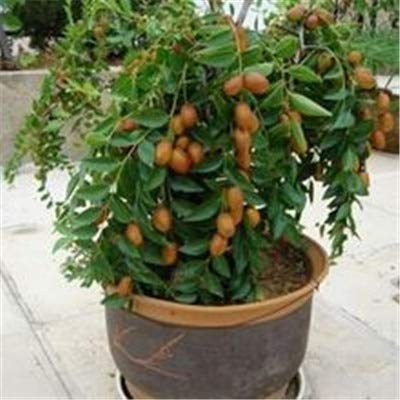
5 pcs/ lot Taiwan Big Jujube Outdoor Sweet Fruit Succulent Plant Tree Bonsai Pot Plant SeedsDIY Home Garden Easy to Grow : 6

Planting and Maintaining Jujube Trees
When establishing a wildlife habitat with jujube trees, proper planting and maintenance are essential for ensuring the trees' healthy growth and their ability to support diverse wildlife. Here are some key tips to consider for planting and maintaining jujube trees:
- Planting: Select a sunny location with well-draining soil. Dig a hole twice as wide as the root ball but no deeper. Gently place the tree in the hole, backfill with soil, and water thoroughly.
- Watering Schedule: Initially, water the tree deeply once a week. As the tree matures, reduce watering frequency but ensure the soil doesn't dry out completely.
- Pruning Techniques: Prune jujube trees in late winter to remove dead or crossing branches. Encourage an open canopy to improve air circulation and sunlight penetration.
- Maintenance: Keep an eye out for pests and diseases. Apply organic mulch around the base of the tree to retain moisture and suppress weeds.
Recommended Products

CUT, TRIM & PRUNE: With these 15 inch bypass loppers, cutting and trimming your branches, hedges, shrubs, bushes and trees is easy, thanks to High Carbon Steel Blades and Comfortable Grips. Keep your bushes and trees healthy and pretty!

CHOPS THROUGH 1.6" BRANCHES EFFORTLESSLY: sharp steel blade tree trimmer that glides through up to 1.6" thick branches effortlessly. Low-friction and non-stick blade makes smooth cuts that solve your tough tree trimming job with ease. Loppers for tree trimming heavy duty easy to cut branches, bushes and shrubs

Ring trimming shears--neat cutting mouth, and does not hurt the tree,jujube peach tree ring cutter
Enhancing Wildlife Diversity With Jujube Trees
To enhance wildlife diversity with jujube trees, consider integrating native plants to create a thriving ecosystem that attracts a variety of species. By cultivating a biodiverse jujube orchard, you contribute to wildlife conservation and create an environment that supports a wide range of living organisms. When planning your jujube orchard, incorporating native plants alongside the jujube trees can significantly enhance biodiversity. This not only provides food and shelter for a variety of wildlife but also promotes a balanced ecosystem. Below is an example of how integrating native plants with jujube trees can enhance wildlife diversity in your orchard:
| Native Plant | Wildlife Attracted | Benefits to Jujube Orchard |
|---|---|---|
| Milkweed | Butterflies, Bees | Pollination Support |
| Elderberry | Birds, Insects | Pest Control |
| Wild Indigo | Rabbits, Deer | Soil Improvement |
Creating a biodiverse habitat within your jujube orchard not only benefits wildlife but also improves the overall health and productivity of the orchard.
Conclusion
By planting jujube trees, you can effortlessly create a thriving wildlife habitat. These trees offer essential nourishment and safe havens for various wildlife species while requiring minimal upkeep.
Adding jujube trees to your landscape not only enriches local biodiversity but also contributes to the preservation of the ecosystem.
Consider incorporating jujube trees into your property to support and sustain local wildlife for generations to come.
