

Growing pear trees in Massachusetts requires careful selection of varieties suited for New England’s climate. The right planting techniques and ongoing maintenance ensure a fruitful harvest. This guide covers essential steps and considerations for successful pear tree cultivation in the region.
Best Pear Varieties for Massachusetts Climate
When selecting pear varieties for Massachusetts, it’s essential to consider the local climate and soil conditions. Certain types thrive better in New England’s unique weather patterns, offering both resilience and fruitful yields. This section highlights the best pear varieties suited for successful growth in the region, ensuring a bountiful harvest for local gardeners.
Choosing the correct pear varieties is crucial for success in Massachusetts. Varieties like Bartlett, Bosc, and Anjou thrive in the region’s climate. Each type has unique characteristics, such as flavor, texture, and harvest time.
Recommended Products

Flavor and juicy bite

Pears are a mild, sweet fruit with a fibrous center.

Pear, Bartlett
Top Pear Varieties for Massachusetts Gardens
When selecting pear varieties for Massachusetts gardens, it’s essential to consider the climate and soil conditions unique to New England. Certain cultivars thrive in this region, offering robust growth and delicious fruit. This section highlights the top pear varieties that not only flourish in Massachusetts but also provide gardeners with a rewarding harvest.
Bartlett: Known for its sweet flavor and smooth texture. Harvest in late summer.
Bosc: Recognizable by its brown skin and crisp texture. Best harvested in late fall.
Anjou: Versatile for eating fresh or cooking. Ripens in late summer to early fall.
| Variety | Flavor Profile | Harvest Time |
|---|---|---|
| Bartlett | Sweet | Late Summer |
| Bosc | Crisp | Late Fall |
| Anjou | Versatile | Late Summer to Early Fall |
Site Preparation for Pear Tree Growth
Preparing the right site is crucial for successful pear tree growth in Massachusetts. This process involves assessing soil quality, sunlight exposure, and drainage conditions to create an optimal environment for the trees. Proper site preparation lays the foundation for healthy growth and fruitful harvests in New England’s unique climate.
A well-prepared site enhances the growth of pear trees. Select a location with full sun exposure and well-drained soil. Avoid areas prone to waterlogging.
Soil pH Testing for Pear Trees
Understanding soil pH is crucial for successfully growing pear trees in Massachusetts. The right pH level not only influences nutrient availability but also affects overall tree health and fruit production. Proper testing and adjustments can lead to thriving trees and bountiful harvests in New England’s unique climate.
Test Soil pH: Aim for a pH between 6.0 and 7.0.
Amend Soil: Incorporate organic matter like compost to improve fertility.
Clear Debris: Remove weeds and rocks to prevent competition for nutrients.
Pear Tree Planting Strategies for Massachusetts
Planting pear trees in Massachusetts requires careful consideration of the region’s climate and soil conditions. Understanding the best strategies for planting can significantly enhance the success of your pear tree cultivation. This section explores effective techniques tailored to New England’s unique environment, ensuring healthy growth and fruitful yields.
Proper planting techniques are vital for establishing healthy pear trees. Follow these steps to ensure successful growth.
Pear Tree Planting Techniques for Massachusetts
Planting pear trees in Massachusetts requires an understanding of the local climate and soil conditions to ensure successful growth. This section outlines effective techniques tailored to New England’s unique environment, focusing on the best practices for site selection, soil preparation, and planting methods that promote healthy development and fruit production.
Dig a Hole: Create a hole twice as wide and as deep as the root ball.
Position the Tree: Place the tree in the center, ensuring the graft union is above soil level.
Backfill with Soil: Fill the hole with soil, gently tamping down to eliminate air pockets.
Water Thoroughly: Provide deep watering immediately after planting to settle the soil.
Pear Tree Care Practices in Massachusetts
Caring for pear trees in Massachusetts requires an understanding of the local climate and soil conditions. Proper maintenance practices can significantly enhance growth and fruit production, ensuring that these trees thrive in New England’s unique environment. This section delves into essential care techniques tailored specifically for pear trees in the region.
Regular maintenance is essential for thriving pear trees. This includes watering, pruning, and pest management.
Irrigation and Nutrient Management
Effective irrigation and nutrient management are crucial for cultivating healthy pear trees in Massachusetts. The region’s climate and soil conditions present unique challenges, making it essential to understand the specific water and nutrient needs of these trees. This section will explore best practices to ensure optimal growth and fruit production throughout the growing season.
Watering: Provide 1-2 inches of water weekly during dry spells.
Fertilization: Apply a balanced fertilizer in early spring to promote growth.
Pruning Methods for Pear Trees
Pruning is a crucial aspect of cultivating healthy pear trees, especially in the varied climate of Massachusetts. Understanding the right techniques can enhance fruit production and tree longevity. This section explores effective pruning methods tailored to the unique growing conditions of New England, ensuring your pear trees thrive.
Pruning encourages healthy growth and fruit production. Focus on the following:
Remove Dead or Diseased Wood: Cut back any damaged branches.
Thin Out Crowded Areas: Ensure good air circulation by removing excess branches.
Pest Control Strategies for Pear Trees
Effective pest control is crucial for the health and productivity of pear trees in Massachusetts. Understanding the specific pests that threaten these trees and implementing targeted strategies can significantly enhance their growth and fruit yield. This section explores various methods to manage pests and protect your pear trees from common threats in New England.
Pest and disease issues can hinder the growth of pear trees. Regular monitoring is necessary to catch problems early.
Recommended Products

READY-TO-USE CONTACT SPRAY: No mixing required. Thoroughly spray insecticide on all plant parts, including the underside of leaves. Pests must be sprayed directly to achieve control
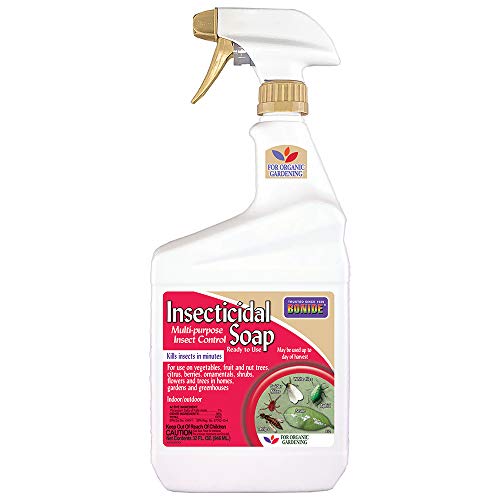
Captain Jack's Insecticidal Super Soap controls species of adelgid, ant, aphid, borer, caterpillar, spider mite, cricket, chinch bug, weevil, fly, thrip, and more

PEST DEFENSE - Insecticidal Super Soap controls species of adelgid, ant, aphid, borer, caterpillar, spider mite, cricket, chinch bug, weevil, fly, thrip, & more.
Pest Management Strategies for Pear Trees
Effective pest management is crucial for the successful cultivation of pear trees in Massachusetts. With the region’s unique climate and ecosystem, understanding the specific pests that affect pear trees can help growers implement targeted strategies. This section outlines practical approaches to protect these trees from common threats while promoting healthy growth and fruit production.
Pear Psylla: Use insecticidal soap to control infestations.
Coddling Moth: Apply pheromone traps to disrupt mating.
| Pest | Symptoms | Recommended Treatment |
|---|---|---|
| Pear Psylla | Yellowing leaves | Insecticidal soap |
| Coddling Moth | Damaged fruit | Pheromone traps |
Optimal Timing for Pear Harvesting
Understanding the optimal timing for harvesting pear trees is crucial for achieving the best flavor and quality in Massachusetts. This section delves into the specific indicators and seasonal cues that signal when pears are ready for picking, ensuring a successful yield for growers in New England’s unique climate.
Harvesting at the right time maximizes the flavor of your pears. Monitor the fruit closely as it approaches maturity.
Pear Harvesting Techniques for Massachusetts
Harvesting pears in Massachusetts requires specific techniques to ensure optimal yield and fruit quality. Given the region’s unique climate and soil conditions, understanding the best practices for timing, tools, and handling can make a significant difference in the success of your harvest. This section explores effective methods tailored for New England’s pear growers.
Check Firmness: Gently squeeze the fruit. It should yield slightly.
Color Change: Look for a change in color, indicating ripeness.
Use Care: Twist and lift to avoid damaging the tree.
Key Practices for Successful Pear Cultivation
Successful pear cultivation in Massachusetts requires an understanding of specific practices that cater to the region’s climate and soil conditions. By focusing on essential techniques such as proper planting, pruning, and pest management, growers can enhance their chances of producing healthy, fruitful trees. These key practices will help ensure a bountiful harvest in New England’s unique environment.
Growing pear trees in Massachusetts requires attention to detail and ongoing care. Focus on variety selection, site preparation, and maintenance practices to ensure a successful harvest. Regular monitoring for pests and diseases will help maintain tree health.
