

Avocado trees can grow in Washington, particularly in the warmer regions of the state. With the right conditions and care, these trees can thrive and produce fruit, especially in the Pacific Northwest.
Choosing Avocado Varieties for Washington Climate
Selecting the right avocado tree variety is crucial for successful growth in Washington. The climate varies significantly across the state, so choosing a variety that can withstand cooler temperatures is essential. The two most common types are the Hass and Fuerte avocados.
Hass: This variety is popular for its creamy texture and rich flavor. It is more tolerant of cooler temperatures but still requires protection from frost.
Fuerte: Known for its smooth skin and mild taste, this variety can handle slightly cooler climates and is more resilient in Washington’s conditions.
| Variety | Cold Tolerance | Flavor Profile |
|---|---|---|
| Hass | Moderate | Creamy, rich |
| Fuerte | High | Smooth, mild |
Recommended Products

Easy to Grow – Requires minimal care and thrives in full sun or partial shade

RESTRICTIONS - If you live in Arizona and order this tree, your order will be canceled.

Low Maintenance: This cold-hardy avocado tree is easy to care for, making it perfect for both beginners and experienced gardeners. Ideal for yards or patios, it produces creamy avocados annually with minimal upkeep.
Soil Quality Requirements for Avocado Growth
Understanding the soil quality requirements is essential for successfully growing avocado trees in Washington. The unique climate and soil conditions of the Pacific Northwest present both challenges and opportunities for cultivating these trees. This section delves into the specific soil characteristics needed to support healthy avocado growth in this region.
Soil quality plays a vital role in the health of avocado trees. They prefer well-draining soil with a pH between 6 and 7.
Heavy clay soils can hinder growth and lead to root rot. Conduct a soil test to determine nutrient levels and pH.
Amend Soil: Incorporate organic matter such as compost or peat moss to improve drainage.
Mulch: Apply a layer of mulch to retain moisture and regulate soil temperature.
Watering Strategies for Avocado Trees
Proper watering is crucial for the health and productivity of avocado trees, especially in Washington’s unique climate. Understanding the specific needs of these trees can help ensure they thrive despite the challenges posed by the Pacific Northwest’s weather. This section explores effective watering strategies tailored to optimize growth and fruit production for avocado trees in this region.
Proper watering is essential for avocado tree development. Overwatering can lead to root rot, while underwatering can stress the tree.
Watering Schedule: Water deeply once a week during dry periods. Adjust frequency based on rainfall.
Drainage: Ensure the planting area has good drainage to prevent standing water.
| Season | Watering Frequency |
|---|---|
| Spring | Weekly |
| Summer | Twice weekly |
| Fall | Weekly |
| Winter | Monthly |
Recommended Products

4-Hole Side Design: This high-performance tree watering spike makes it easy to deliver water and fertilizer directly to the root zone. The upgraded side-hole design helps improve watering efficiency, while the sharp tip makes it easy to push into hard or compact soil. The 4 side outlets help reduce clogging and distribute water more evenly for deep root watering and feeding.

Mini Watering Can:This 300ml matte watering can fits perfectly on desks, shelves, or narrow windowsills. Its sleek metal finish elevates your home or office decor—no more hiding ugly tools!

𝗪𝗢𝗥𝗟𝗗’𝘀 𝗙𝗜𝗥𝗦𝗧 𝗔𝗨𝗧𝗢𝗠𝗔𝗧𝗜𝗖 𝗖𝗛𝗥𝗜𝗦𝗧𝗠𝗔𝗦 𝗧𝗥𝗘𝗘 𝗪𝗔𝗧𝗘𝗥𝗜𝗡𝗚 𝗦𝗬𝗦𝗧𝗘𝗠: Our 2.5 gallon tank, water tube and sensor keep your fresh cut tree watered for days on end.
Frost Protection Strategies for Avocado Trees
Growing avocado trees in Washington presents unique challenges, particularly due to the region’s frost risks. Understanding effective frost protection strategies is crucial for ensuring the health and productivity of these trees. This section explores various methods to safeguard avocado plants from cold temperatures, helping gardeners maximize their success in the Pacific Northwest.
Frost can severely damage avocado trees, especially young ones. Implementing protective measures is necessary to ensure their survival during colder months.
Frost Cloth: Use frost cloths to cover trees during cold snaps. This can provide several degrees of protection.
Windbreaks: Plant windbreaks or install barriers to shield trees from cold winds.
Recommended Products
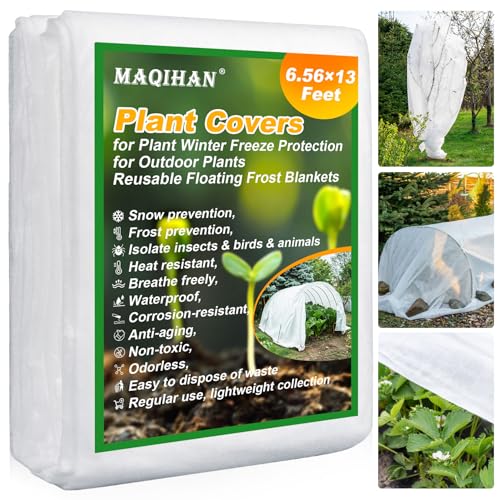
Product Features: Our plant covers are ideal for protecting all plant. Made from premium 1 oz/sq non-woven fabric, their durability and breathability ensuring both insulation against frost and facilitation of sunlight penetration for healthy plant growth

Premium Material - Made of 2.06 oz/yd²(70gsm) breathable, non-woven fabric, the frost blankets for outdoor plants are an affordable, durable, and convenient way to provide frost and cold protection to outdoor plants. Breathable yet waterproof, these winter plant covers allow sunlight to penetrate while shielding a plant from cold air and helping to maintain a consistent inner temperature.

ALL-SEASON PLANT PROTECTION - Safeguard your plants through the harsh winters with our breathable Plant Frost Cover, designed to shield against frost, freezing temperatures, snow, and harsh winds. Extend your growing season into the colder months while ensuring your plants thrive year-round.
Balanced Fertilization for Avocado Trees
Balanced fertilization is crucial for the healthy growth of avocado trees, especially in Washington’s unique climate. Understanding the specific nutrient needs of these trees can enhance their productivity and resilience. This section explores the best practices for fertilizing avocado trees to ensure optimal growth and fruit production in the Pacific Northwest.
Regular fertilization is important for healthy growth and fruit production. Avocado trees require a balanced fertilizer that includes nitrogen, phosphorus, and potassium.
Fertilizer Type: Use a slow-release fertilizer designed for fruit trees.
Application Timing: Fertilize in early spring and again in late summer for the best results.
| Fertilizer Type | Application Rate | Frequency |
|---|---|---|
| Slow-release | 1 lb per tree | Spring and late summer |
Pest and Disease Monitoring for Avocado Trees
Monitoring pests and diseases is crucial for the successful cultivation of avocado trees in Washington’s unique climate. Understanding the specific threats these trees face in the Pacific Northwest allows growers to implement effective management strategies. This section delves into common pests and diseases that can affect avocado trees and offers guidance on how to identify and address these challenges.
Pests and diseases can hinder the growth of avocado trees. Regular monitoring and early intervention are key to maintaining tree health.
Common Pests: Look out for aphids, spider mites, and scale insects. Use insecticidal soap or neem oil for treatment.
Diseases: Root rot and leaf spot are common issues. Ensure proper drainage and avoid overhead watering to minimize risks.
Plan for Harvesting Avocados
Successfully harvesting avocados in Washington requires careful planning and consideration of the region’s unique climate and growing conditions. Understanding the optimal timing for harvest, along with best practices for care and maintenance, can significantly enhance yield and fruit quality. This section outlines essential strategies to ensure a fruitful avocado harvest in the Pacific Northwest.
Harvesting avocados requires patience as they do not ripen on the tree. Understanding when to pick them is crucial for flavor and texture.
Harvest Timing: Generally, avocados are ready to harvest when they reach full size and change color slightly.
Ripening Process: Allow harvested avocados to ripen at room temperature before consuming.
| Harvest Indicators | Ripening Time |
|---|---|
| Size and color change | 7-14 days at room temperature |
Washington Avocado Cultivation Resources
Exploring the potential for avocado cultivation in Washington reveals a wealth of resources tailored to local growers. From climate considerations to soil requirements, these tools and guides can help enthusiasts navigate the challenges of growing this tropical fruit in the Pacific Northwest. Understanding these resources is essential for anyone looking to successfully cultivate avocados in this unique environment.
Utilizing local resources can enhance your avocado cultivation experience. Connect with local gardening clubs, extension services, or online forums for advice specific to Washington’s climate.
Local Nurseries: Visit nurseries that specialize in fruit trees for expert guidance.
Workshops: Attend workshops on avocado cultivation to learn best practices.
Regularly monitor your avocado trees for signs of stress or disease. Taking proactive measures will ensure a healthy and productive growing season.
