

Growing grapefruit trees in North Carolina is achievable with the right techniques and care. Selecting the right variety and understanding the local climate are crucial for successful cultivation.
Choose the Right Grapefruit Variety
Selecting the appropriate grapefruit variety is crucial for successful growth in North Carolina’s unique climate. Different varieties have varying tolerances to temperature, disease, and soil conditions, making it essential to choose one that thrives in the region. This section will guide you through the best options to ensure a fruitful harvest.
Selecting an appropriate grapefruit variety is essential for thriving growth in North Carolina. The climate can be challenging, so opt for varieties that are more tolerant to cooler temperatures. Some recommended varieties include:
Ruby Red: Known for its sweet flavor and pink flesh.
Star Ruby: Offers a deep red color and is cold-hardy.
White Marsh: A classic variety with a milder taste.
These varieties adapt better to the region’s conditions, ensuring a more fruitful harvest.
Essential Tools for Grapefruit Tree Cultivation
Growing grapefruit trees in North Carolina requires the right tools to ensure healthy growth and fruitful yields. This section outlines the essential equipment and supplies that will help you successfully cultivate grapefruit trees in your garden, making the process more efficient and effective. With the right tools at your disposal, you’ll be better prepared to nurture your trees to maturity.
Before planting, gather essential tools and supplies. This checklist ensures you have everything needed for successful growth:
| Item | Purpose |
|---|---|
| Trowel | For digging holes |
| Pruning Shears | To maintain tree shape |
| Soil Test Kit | To check soil pH |
| Mulch | To retain moisture |
| Fertilizer | To provide nutrients |
Having these items ready will streamline the planting process and promote healthy growth.
Site Preparation for Grapefruit Trees
Preparing the right site is crucial for successfully growing grapefruit trees in North Carolina. This process involves selecting an optimal location that provides adequate sunlight, drainage, and protection from harsh winds. Understanding these factors will set the foundation for healthy growth and fruitful harvests.
Proper site preparation is vital for grapefruit trees. Choose a location that receives full sunlight for at least six hours daily. Follow these steps for optimal planting conditions:
Test the Soil: Use a soil test kit to determine pH levels. Grapefruit trees prefer slightly acidic to neutral soil (pH 6.0 to 7.0).
Amend the Soil: If necessary, amend the soil with organic matter to improve drainage and fertility.
Clear the Area: Remove weeds and debris to prevent competition for nutrients.
A well-prepared site promotes strong root development and tree health.
Successful Grapefruit Tree Planting Techniques
Planting grapefruit trees in North Carolina requires careful attention to local climate and soil conditions. Successful techniques involve selecting the right variety, preparing the planting site, and implementing effective watering and fertilization strategies. By following these expert tips, you can cultivate healthy grapefruit trees that thrive in the region’s unique environment.
Planting grapefruit trees requires careful execution. Follow these steps to ensure successful establishment:
Dig a Hole: Create a hole twice the width and depth of the root ball.
Position the Tree: Place the tree in the center of the hole, ensuring the root flare is level with the soil surface.
Backfill the Hole: Fill the hole with native soil, gently tamping down to eliminate air pockets.
Water Generously: After planting, water deeply to settle the soil around the roots.
Monitoring the tree closely during its first year is crucial for its survival.
Irrigation and Nutrition for Grapefruit Trees
Successfully growing grapefruit trees in North Carolina requires careful attention to irrigation and nutrition. The right balance of water and nutrients is essential for healthy growth and fruit production. Understanding these needs will help ensure your trees thrive in the state’s unique climate and soil conditions.
Watering and fertilizing are critical for healthy grapefruit trees. Establish a routine that meets the trees’ needs:
Watering: Grapefruit trees require deep watering every week, especially during dry spells. Ensure the soil remains moist but not waterlogged.
Fertilizing: Apply a balanced fertilizer every six to eight weeks during the growing season. Look for fertilizers specifically formulated for citrus trees.
Proper watering and fertilizing practices enhance growth and fruit production.
Recommended Products
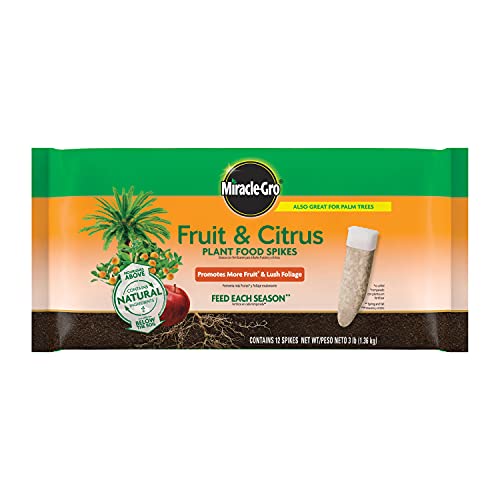
FORMULATED FOR CITRUS AND FRUIT TREES: Use these citrus fertilizer spikes on apple, orange, lemon, lime, and avocado trees; this formula is also great for feeding palm trees

Miracle-Gro Shake 'N Feed Citrus, Avocado, Mango Plant Food contains added potassium, magnesium, sulfur, and iron to help improve common nutrient deficiencies

FOR USE ON: Use Citrus-tone organic fertilizer for all citrus trees, including lemon, lime, orange, Meyer Lemon Trees as well as for avocado & nut trees
Pruning Strategies for Grapefruit Trees
Pruning is a crucial aspect of maintaining healthy grapefruit trees, especially in North Carolina’s unique climate. Proper techniques not only enhance fruit production but also improve the tree’s overall structure and resilience. Understanding the right timing and methods for pruning can significantly impact your grapefruit harvest.
Regular pruning is necessary to maintain the shape and health of grapefruit trees. Follow these guidelines:
Timing: Prune during late winter or early spring before new growth begins.
Remove Dead or Diseased Wood: Cut back any unhealthy branches to promote airflow and sunlight penetration.
Thin Out Crowded Areas: This encourages better fruit development and reduces disease risk.
Effective pruning practices lead to a more productive tree.
Pest Management Strategies for Grapefruit Trees
Effective pest management is crucial for the health and productivity of grapefruit trees in North Carolina. By understanding common pests and implementing targeted strategies, growers can protect their trees from damage while promoting robust growth and fruit production. This section outlines practical approaches to keep your grapefruit trees thriving and pest-free.
Pest management is vital for the health of grapefruit trees. Monitor for common pests and take action as needed:
Aphids: Small insects that can cause leaf curling. Use insecticidal soap for control.
Scale Insects: These can weaken the tree. Remove them manually or apply horticultural oil.
Citrus Leafminer: A pest that damages leaves. Introduce beneficial insects like ladybugs to manage their population.
Regular inspections and timely interventions will keep your trees healthy.
Identifying Grapefruit Tree Diseases and Deficiencies
Understanding the common diseases and nutrient deficiencies that affect grapefruit trees is crucial for successful cultivation in North Carolina. This section delves into the signs and symptoms of various ailments, enabling growers to diagnose issues early and implement effective solutions to ensure healthy tree growth and fruit production.
Grapefruit trees can be susceptible to diseases and nutrient deficiencies. Watch for symptoms such as:
Leaf Yellowing: This may indicate a nitrogen deficiency.
Citrus Canker: Look for lesions on leaves and fruit. Remove affected areas immediately.
Root Rot: Caused by overwatering. Ensure proper drainage and adjust watering frequency.
Addressing these issues promptly can save your trees from serious damage.
