

Have you ever planted a pear tree and wondered when you’ll finally get to enjoy those sweet, juicy fruits? You’re not alone! Many gardeners share that same anticipation, eager to see their hard work pay off.
Key Takeaways
- Fruiting Timeline: Most pear trees start bearing fruit between 3 to 7 years after planting, depending on the variety and care conditions.
- Variety Matters: Different pear varieties have distinct timelines: ‘Bartlett’ (3-4 years), ‘Bosc’ (5-7 years), and ‘Shinko’ (4-6 years) are popular examples.
- Optimal Conditions: Pear trees thrive in full sun, well-drained loamy soil, and moderate temperatures (60°F-75°F) to encourage healthy growth and fruit production.
- Tree Care: Regular watering, appropriate fertilization, and vigilant disease management significantly enhance a pear tree’s ability to bear fruit.
- Environmental Factors: Factors like temperature extremes and soil quality can impact fruiting; ensuring proper conditions can lead to better yields.
- Challenges: Pests and diseases are common challenges; regular inspections and treatments, along with choosing resistant varieties, can mitigate these issues.
Understanding Pear Trees
Pear trees are beloved by many gardeners for their delicious fruits and beautiful blooms. Knowing the specifics about these trees helps in their successful cultivation.
Types of Pear Trees
Several types of pear trees suit different climates and purposes. Here are some popular varieties:
- European Pear Trees: Known for their sweet, juicy fruits, these trees include ‘Bartlett’ and ‘Bosc.’ European pears typically require chill hours.
- Asian Pear Trees: Crisp and refreshing, varieties like ‘Shinko’ dominate the market. Asian pears thrive in warmer climates and offer unique textures.
- Ornamental Pear Trees: While not primarily grown for fruit, varieties like ‘Bradford’ display stunning spring flowers and vibrant fall foliage.
Ideal Growing Conditions
For optimal growth, pear trees thrive under specific conditions:
- Sunlight: Full sun exposure, around 6-8 hours daily, promotes fruit production.
- Soil: Well-drained, loamy soil with a pH between 6.0 and 7.0 ensures nutrient availability.
- Water: Consistent watering, especially during the first few years, maintains moisture levels without waterlogging.
- Temperature: Moderate temperatures, ideally between 60°F-75°F, support flower development and fruit set.
By understanding the different pear tree types and ideal growing conditions, you set the stage for a fruitful planting experience.
Factors That Influence Fruiting
Several factors affect when a pear tree begins bearing fruit. Understanding these elements can help you optimize tree growth and fruit production.
Recommended Products
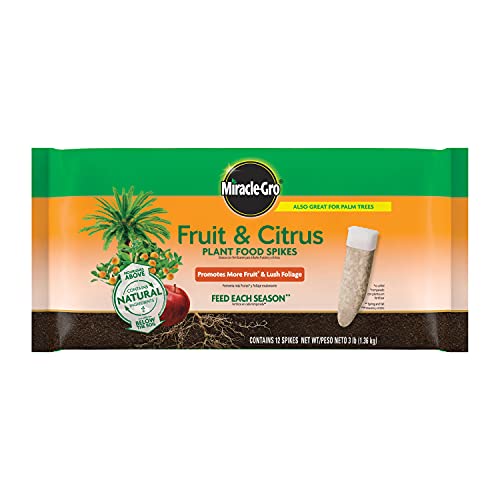
FORMULATED FOR CITRUS AND FRUIT TREES: Use these citrus fertilizer spikes on apple, orange, lemon, lime, and avocado trees; this formula is also great for feeding palm trees

COMPLETE 3-IN-1 CITRUS NUTRITION KIT - Everything Your Trees Need Professional-grade fertilizer system includes slow-release NPK granules (6-month supply), liquid micronutrient concentrate (makes 32oz), and calcium supplement (makes 32oz). Specially formulated for lemon, orange, lime, grapefruit, and all citrus varieties in containers and pots.

Let our professionally formulated plant food help your fruit tree grow healthy, strong AND abundantly producing
Age of the Tree
Age plays a crucial role in determining when a pear tree bears fruit. Generally, most pear trees start producing fruit between 3 to 7 years after planting. Young trees require time to establish strong root systems and foliage. For example, a newly planted ‘Bartlett’ might not yield any fruit for the first few years, while older varieties like ‘Bosc’ may begin producing sooner.
Health and Care Practices
Health and care practices significantly impact a pear tree’s ability to bear fruit. Regular watering, proper fertilization, and disease management contribute to overall tree vitality. Inspect leaves and branches for signs of pests or diseases, as these can hinder fruit production. Pruning also encourages healthy growth; remove dead or overcrowded limbs to ensure adequate sunlight reaches all parts of the tree.
Environmental Conditions
Environmental conditions greatly influence fruiting timelines as well. Pear trees thrive in full sun and well-drained soil. Temperature extremes can delay or reduce fruiting; trees exposed to frost during blooming might not produce fruit that season. Additionally, soil quality can affect nutrient availability; testing soil pH and nutrient levels helps create an optimal growing environment. Regular mulching retains moisture and suppresses weeds, further enhancing tree health and fruit production.
Timeline for Fruiting
Understanding the timeline for a pear tree to bear fruit involves knowing several key factors. Generally, you can expect your pear trees to produce fruit several years after planting.
Recommended Products
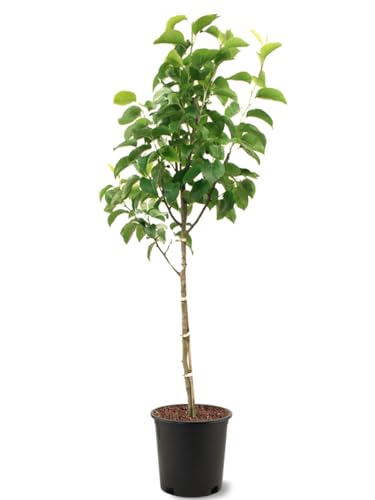
Thriving Orchard at Home: Elevate your outdoor space with the American Plant Exchange Flordahome Pear Trees. These live, semi-self-pollinating fruiting trees stand at an impressive 3-4 feet in a 5-gallon pot, bringing the allure of a thriving pear orchard to your doorstep.

Home Orchard in a Pot: Experience the joy of homegrown pears with the American Plant Exchange Bartlett Pear Trees. These live, semi-self-pollinating fruiting trees, standing 3-4 feet tall in a 5-gallon pot, bring the allure of a home orchard to your outdoor landscape.

Preview CD (with vocals)
From Planting to Fruiting
Most pear trees begin to yield fruit within 3 to 7 years after planting. This timeline varies based on the tree’s type, age, and care. Young trees need time to develop strong roots before they bear fruit. Proper care accelerates this process. Regular watering, adequate fertilization, and disease prevention contribute significantly. In addition, be patient; fruit may not appear during the first few years, but establishing a healthy tree ensures better yields in the future.
Variations by Pear Type
Different pear tree types exhibit various fruiting timelines. Here’s a breakdown:
- European Varieties:
- ‘Bartlett’ often bears fruit in 3 to 4 years.
- ‘Bosc’ usually takes about 5 to 7 years.
- Asian Varieties:
- ‘Shinko’ generally starts producing fruit around 4 to 6 years.
- Ornamental Varieties:
- ‘Bradford’ may not produce edible fruit like others but offers beautiful blooms within 2 to 3 years.
Fruiting timelines differ based on specific variety characteristics, so research your chosen tree type for better expectations. Understanding these differences helps manage your anticipation effectively.
Common Challenges and Solutions
Growing pear trees comes with challenges, but knowing common issues and their solutions can ease your journey toward fruit-bearing success.
Pests and Diseases
Pests like aphids, pear psylla, and codling moths threaten pear trees. Inspect leaves and fruit regularly for signs of infestation. Use insecticidal soap or neem oil to manage pests effectively. Fungal diseases, such as fire blight and scab, can damage trees. Prune affected areas and apply fungicides as a preventive measure. Choosing disease-resistant varieties also enhances your tree’s resilience.
Environmental Stressors
Environmental stressors impact the health and productivity of pear trees. Extreme temperatures, both hot and cold, can hinder growth. Install mulch around the base to regulate soil temperature and retain moisture. Poor soil drainage leads to root rot. Ensure your planting site has well-drained loamy soil. If water doesn’t drain properly, consider raised beds to improve drainage. Lastly, inadequate sunlight can stunt growth. Aim for at least six hours of full sun daily to promote vigorous health and fruiting.
Conclusion
Growing a pear tree can be an exciting journey filled with anticipation. With the right care and attention your tree can start bearing fruit in just a few years. Remember that patience is key as young trees need time to establish themselves.
By understanding the specific needs of your pear variety and addressing any challenges along the way you can create a thriving environment for your tree. Soon enough you’ll be enjoying the sweet rewards of your hard work. Happy gardening and may your pear trees flourish!
Frequently Asked Questions
How long does it take for pear trees to bear fruit?
Most pear trees begin to produce fruit within 3 to 7 years after planting. The exact timeline varies by tree type, age, and care given. For instance, ‘Bartlett’ trees usually yield fruit in 3 to 4 years, while ‘Bosc’ may take 5 to 7 years.
What are the ideal growing conditions for pear trees?
Pear trees thrive in full sun, well-drained loamy soil, and moderate temperatures. Consistent watering and good soil quality are essential for healthy growth and optimal fruit production.
What types of pear trees are there?
There are several types of pear trees, including European varieties like ‘Bartlett’ and ‘Bosc,’ Asian varieties such as ‘Shinko,’ and ornamental types like ‘Bradford.’ Each has unique characteristics suited to different climates and purposes.
What are common pests that affect pear trees?
Common pests that affect pear trees include aphids, pear psylla, and codling moths. Regular inspections and treatments with insecticidal soap or neem oil can help manage these pests effectively.
How can I prevent diseases in pear trees?
To prevent diseases like fire blight and scab, ensure you prune affected areas, apply fungicides when necessary, and maintain good airflow around the tree. Regular soil testing can also aid in disease prevention.
Do all pear trees produce edible fruit?
Not all pear trees produce edible fruit. For example, ornamental pear varieties like ‘Bradford’ bloom beautifully but do not yield edible pears. It’s essential to choose varieties specifically bred for fruit production if that is your goal.
How can I improve my pear tree’s fruit production?
To enhance fruit production, provide optimal growing conditions such as full sun, well-drained soil, and adequate watering. Regular fertilization, pruning, and pest control also play a key role in improving yields.
