

Have you ever wondered when the best time is to prune your grapevines for a bountiful harvest? Picture this: you’re in your garden, surrounded by lush greenery, but unsure about the right moment to trim those grape clusters. Well, fret not! In this article, I’ll guide you through the art of grape pruning and reveal the secrets to maximizing your vineyard’s potential.
By understanding when to prune grapes, you’ll not only promote healthier growth but also enhance the quality of your grapes. Imagine savoring juicy, sun-ripened grapes straight from your backyard – all thanks to mastering the timing of pruning. Whether you’re a seasoned gardener or just starting out, knowing when to trim those vines can make all the difference in nurturing thriving grapevines.
Key Takeaways
- Pruning is essential for grape health as it promotes growth, prevents disease, enhances air circulation, and shapes vine structure.
- The best seasons for grape pruning are the dormant season (late winter to early spring), immediate post-harvest, and optional summer pruning.
- Choosing the right tools such as pruning shears, loppers, hand saw, gloves, disinfectant is crucial for successful grape pruning.
- Techniques like spur pruning, cane pruning, renewal pruning, and systems like double Guyot system and head training method are effective for grapevine care.
- Avoid common mistakes in grape pruning like over-pruning, improper timing, neglecting tool maintenance, and ignoring disease symptoms to ensure healthy vines and abundant harvests.
Understanding Grape Pruning
Grape pruning is a crucial practice that directly impacts the health and productivity of your grapevines. By mastering the art of pruning, you can ensure vigorous growth, optimal fruit production, and overall vineyard success. Let’s delve into why pruning is essential for grape health and the best seasons for this vital task.
Why Pruning Is Essential for Grape Health
Pruning plays a pivotal role in maintaining the vitality of grapevines. Here’s why it’s indispensable for the health of your grapes:
- Promotes Growth: Regular pruning helps channel the plant’s energy into producing quality fruit rather than excessive foliage.
- Prevents Disease: Removing old or diseased wood during pruning minimizes the risk of infections spreading throughout the vine.
- Enhances Air Circulation: Properly pruned vines allow air to circulate effectively, reducing humidity levels and preventing fungal diseases.
- Shapes Vine Structure: Pruning shapes the vine structure, enabling sunlight penetration to reach all parts of the plant evenly.
Best Seasons for Grape Pruning
Timing is critical when it comes to grape pruning as it influences plant growth cycles and fruit development. The best seasons for grape pruning are:
- Dormant Season (Late Winter to Early Spring): This period, before buds break dormancy, is ideal for major structural pruning.
- Immediate Post-Harvest: Light maintenance pruning right after harvest helps prepare vines for winter dormancy.
- Summer Pruning (Optional): Some light summer trimming may be necessary to manage excessive growth but avoid heavy summer pruning that can stress plants.
By understanding these key aspects of grapevine care, you’ll be well-equipped to nurture healthy vines and enjoy abundant harvests from your home vineyard.
Tools for Grape Pruning
When it comes to grape pruning, having the right tools is essential for a successful and efficient process. Here are some key points to consider when selecting and maintaining your pruning equipment:
Recommended Products

Reduce Hand Strain: These micro tip snips are made to reduces hand fatigue which makes them great for those with arthritis, carpal tunnel, hand or wrist issues; Comfortable “grip” handles will make it easy to work for long-time use without making you feel hand pain

IDEAL TREE BRANCH CUTTER: 32" Steel blade bypass lopper that glides through up to 2" thick branches for easy cuts; Tree Pruner that works well for trimming tree branches to maintain your yard and garden
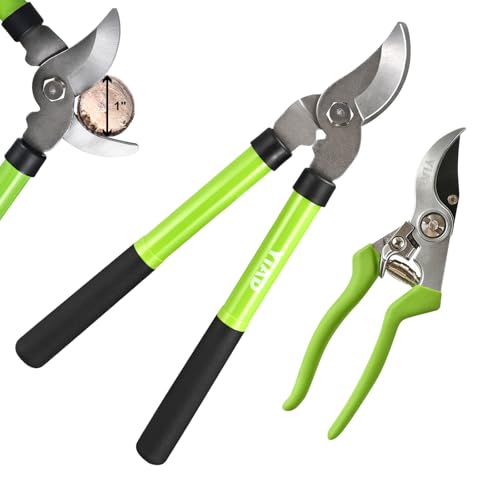
🌿【SK-5 Hardened Steel + Teflon Coating】: Blades forged from premium SK-5 high-carbon steel with multi-stage heat treatment—3X stronger cutting power than standard stainless steel. Teflon coating prevents sap buildup and rust, even in rain and humid conditions. Clean cuts through branches, limbs, trees, shrubs, hedges, and rose bushes without bark tearing. Perfect for detailed garden work and yard tasks—an excellent choice for both beginners and experienced gardeners.
Choosing the Right Tools
- Pruning Shears: Invest in a high-quality pair of pruning shears with sharp blades to make clean cuts without causing damage to the vines.
- Loppers: For thicker branches, loppers are ideal. Look for ones with a ratcheting mechanism for easier cutting through tough wood.
- Hand Saw: A hand saw can be handy for larger branches that loppers can’t handle.
- Gloves: Protect your hands with sturdy gloves that offer both grip and protection from thorns while handling the vines.
- Disinfectant: Keep a bottle of disinfectant spray or wipes on hand to sterilize your tools between cuts, preventing the spread of diseases among plants.
- Clean After Use: After each pruning session, make sure to clean your tools thoroughly to remove sap and debris that can cause rust or dullness.
- Sharpen Blades Regularly: Sharp blades make cleaner cuts, promoting faster healing for the vines. Sharpen your tools at the beginning of each season or as needed.
- Oil Moving Parts: Apply oil to any moving parts of your tools, such as pivot points on shears, to keep them functioning smoothly and prevent rusting.
- Store Properly: Store your pruning equipment in a dry place to prevent rust formation and ensure longevity.
By following these tips and using the right tools, you’ll be well-equipped to prune your grapevines effectively, promoting healthy growth and abundant harvests from your vineyard.
Techniques for Pruning Grapes
When it comes to pruning grapes, mastering the right techniques is essential to ensure healthy vines and bountiful harvests. Here are some key strategies to help you prune your grapevines effectively:
Recommended Products

GARDENING ESSENTIAL: The Fiskars Power-Lever Hand Pruner with anvil blade design is ideal for pruning dry, dead growth when dead-heading flowers, stripping small logs, or cutting back branches and stems that died over the winter

High-Quality Carbon Steel Blade: Crafted from durable carbon steel, offering sharpness and strength for long-lasting use.

【Excellent Cutting Capability & Durability】Experience precise and efficient cutting with LeafLux anvil pruning shears. Our shears feature blades crafted from SK5 high carbon steel, enhanced with a unique heat treatment technique to achieve a hardness rating of 58-60 HRC. A thin anti-friction lacquer provides corrosion protection and reduces friction, making it easy to cut hardwood branches, wet branches, and other objects up to 15mm in diameter, ideal for pruning shears for gardening.
Basic Pruning Techniques
- Spur Pruning: This technique involves cutting back one-year-old wood to short spurs with two to three buds. It’s ideal for varieties that bear fruit on canes.
- Cane Pruning: With this method, you select one or two strong canes from the previous season’s growth and remove the rest. These canes are then trained along a trellis or support system.
- Renewal Pruning: Renewal pruning focuses on removing old wood to encourage new growth. It helps maintain the vigor of the vine and promotes fruiting on younger wood.
- Summer Pruning: During the growing season, summer pruning involves tidying up shoots, removing excess foliage, and directing energy towards developing fruit rather than excessive vegetative growth.
- Double Guyot System: This system combines elements of spur and cane pruning by retaining two renewal spurs per plant each year. It’s suitable for vigorous varieties that benefit from a balance between fruit production and vine growth.
- Head Training Method: In this approach, vines are trained with a single trunk or “head,” allowing for better airflow around the canopy and easier management of vine vigor.
- Arch-Cane System: The arch-cane technique involves training long canes in an arch shape along a wire system, promoting even bud distribution and sunlight exposure for optimal fruit ripening.
- Minimal Pruning: For low maintenance or organic vineyards, minimal pruning techniques involve light trimming to maintain vine structure while allowing natural processes to regulate growth and productivity.
Common Mistakes to Avoid in Grape Pruning
When pruning your grapevines, it’s crucial to be mindful of common mistakes that can hinder vine health and productivity. By steering clear of these errors, you’ll ensure optimal growth and a bountiful harvest. Here are some key pitfalls to avoid:
- Over-Pruning: One common mistake is excessive pruning, which can weaken the vine by reducing its ability to produce fruit. It’s essential to strike a balance between removing excess growth and preserving enough foliage for photosynthesis.
- Improper Timing: Pruning at the wrong time of year can harm your grapevines. Make sure to prune during the dormant season, typically in late winter or early spring before new growth begins. Pruning too late can lead to sap loss and leave vines vulnerable to diseases.
- Neglecting Tool Maintenance: Using dull or dirty pruning tools can damage vines and introduce infections. Keep your tools sharp, clean, and properly lubricated to make clean cuts that promote healing and reduce the risk of spreading diseases.
- Ignoring Disease Symptoms: Failure to recognize signs of disease during pruning can result in spreading infections throughout the vineyard. Inspect vines carefully for any unusual discoloration, lesions, or pests while pruning, and take necessary action promptly.
By avoiding these common mistakes in grape pruning, you’ll set the stage for healthy vines that thrive and produce high-quality fruit year after year. Remember, proper pruning practices are key to maximizing your grape harvests and maintaining vigorous vineyards.
Conclusion
You’ve now gained a comprehensive understanding of the essential aspects of grape pruning. By embracing proper techniques and utilizing the right tools, you can enhance vine health and productivity significantly. Remember to apply the various pruning methods discussed in this article, tailored to your vineyard’s specific requirements. Avoid common mistakes like over-pruning and neglecting tool maintenance to ensure healthy vines and optimal harvest yields. With a focus on precision and timing, you’ll set the stage for bountiful grape production while maintaining vine longevity. Keep these insights in mind as you embark on your grape pruning journey, aiming for thriving vines and top-quality fruit in your vineyard.
Frequently Asked Questions
What are the essential tools needed for grape pruning?
Pruning shears, loppers, and gloves are essential tools for grape pruning. These tools help maintain vine health and productivity.
What are some common grape pruning techniques?
Key grape pruning techniques include spur pruning, cane pruning, renewal pruning, and summer pruning. Each technique serves a specific purpose in maintaining vine health and optimizing harvest yields.
Are there advanced grape pruning methods to consider?
Advanced grape pruning methods like the Double Guyot System, Head Training Method, Arch-Cane System, and Minimal Pruning cater to different vineyard needs. These methods aim to enhance vine health and maximize fruit production.
What are some common mistakes to avoid in grape pruning?
Common mistakes in grape pruning include over-pruning, improper timing, neglecting tool maintenance, and ignoring disease symptoms. Avoiding these pitfalls is crucial for maintaining vine health and ensuring high-quality fruit production.
