

Ever wondered about the timeline for cucamelon seeds to sprout? Picture this: you’ve just planted your cucamelon seeds with eager anticipation, but days pass, and there’s no sign of life. How long does it actually take for those tiny seeds to burst forth with new growth?
Key Takeaways
- Cucamelon seeds require warm soil temperatures between 70-85°F (21-29°C) for successful germination.
- Adequate moisture is crucial but avoid overwatering during the germination period.
- Providing indirect light can aid in the growth of cucamelon seeds after sprouting.
- Using fresh and viable seeds from reputable sources increases the chances of successful germination.
- Monitor soil moisture levels regularly and ensure well-draining soil rich in organic matter for optimal seed development.
Understanding Cucamelon Germination
If you’re curious about cucamelon germination, here’s what you need to know:
What Are Cucamelons?
Cucamelons, also known as “Mexican sour gherkins” or “mouse melons,” are tiny fruits that resemble a miniature watermelon. Despite their appearance, they are more closely related to cucumbers and belong to the cucumber family. These grape-sized fruits have a refreshing citrusy flavor with a hint of cucumber, making them a unique addition to salads and pickles.
Factors Influencing Germination
Several factors can influence the germination process of cucamelon seeds:
- Temperature: Cucamelon seeds require warm soil temperatures to germinate successfully. Ideally, the soil temperature should be around 70-85°F (21-29°C) for optimal germination.
- Moisture: Adequate moisture is crucial for seed germination. Ensure that the soil is consistently moist but not waterlogged during the germination period.
- Light: While cucamelon seeds do not require light to germinate, providing indirect light can help in their growth after sprouting.
- Seed Quality: Using fresh and viable seeds increases the chances of successful germination. Check the seed viability before planting for better results.
By understanding these factors and providing suitable conditions, you can enhance the germination success rate of your cucamelon seeds.
The Germination Timeline for Cucamelon Seeds
When planting cucamelon seeds, you’re likely eager to see them sprout. Understanding the germination timeline can help manage your expectations and ensure successful growth. Let’s dive into the ideal conditions for germination and common challenges you might encounter.
Recommended Products

Reliable Results: The VIVOSUN professional heat mat maintains optimal temperatures around 68-86℉ (20-30℃), perfect for Seedling start and cutting propagation; Made from durable PVC material, it's designed to last

IDEAL GERMINATION TEMPERATURE: The BN-LINK seedling heat mats for seed starting helps maintain temperatures around 70°F to 85°F, the optimal range for seed germination, cutting propagation, and healthy seedling growth. Achieve faster germination and higher growth rates with seed heating mat.
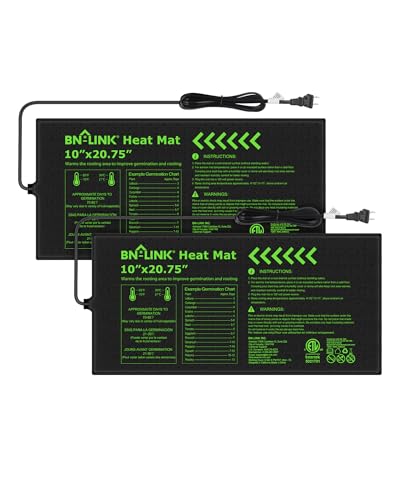
IDEAL GERMINATION TEMPERATURE: The BN-LINK seedling heat mats for seed starting helps maintain temperatures around 70°F to 85°F, the optimal range for seed germination, cutting propagation, and healthy seedling growth. Achieve faster germination and higher growth rates with seed heating mat.
Ideal Conditions for Germination
To maximize the chances of successful cucamelon seed germination, you need to provide optimal conditions. Here are key factors to consider:
- Temperature: Cucamelon seeds prefer warm soil temperatures between 70-85°F (21-29°C). Ensure a consistent temperature throughout the germination period.
- Moisture: Keep the soil consistently moist but not waterlogged. Water regularly, especially during dry spells, to support seed hydration and sprouting.
- Light: While cucamelon seeds don’t require light to germinate, providing indirect sunlight can aid in their growth once sprouted.
- Seed Quality: Opt for high-quality seeds from reputable sources to improve germination rates.
Common Challenges and Solutions
Despite your best efforts, you may face some challenges during the cucamelon seed germination process. Here are common issues and how to address them:
- Slow Germination: If seeds take longer than expected to sprout, ensure they are in a warm environment with adequate moisture levels.
- Fungal Diseases: To prevent fungal infections that can hinder germination, avoid overwatering and ensure proper air circulation around plants.
- Pests: Protect young seedlings from pests like aphids by using organic pest control methods or physical barriers.
By creating an environment that meets the ideal conditions for germination and addressing potential challenges promptly, you’ll increase the likelihood of a successful cucamelon seed sprouting process.
Tips for Successful Cucamelon Cultivation
When it comes to cultivating cucamelons successfully, paying attention to soil preparation and seed care is crucial. Here are some practical tips to help you achieve optimal results:
Recommended Products

Miracle-Gro Indoor Potting Mix for Seed Starting grows stronger roots for seeding success (vs unfed when used as directed)

Includes Back to the Roots Compressed Seed Starting Potting Mix that expands to 12qt of soil. A balanced pH, which means it’s truly all-purpose. Use alone or as an amendment for anything in a pot or in the ground — vegetables, flowers, herbs, and even starting seeds.

Includes 10lb block of Back to the Roots compressed Coconut Coir that expands to 51qt of potting soil. A balanced pH, which means it’s truly all-purpose. Use alone or as an amendment for anything in a pot or in the ground — vegetables, flowers, herbs, and even starting seeds.
Soil Preparation and Seed Care
To ensure the best conditions for your cucamelon seeds, start by preparing well-draining soil rich in organic matter. Mix compost into the soil before planting to provide essential nutrients for germination. Keep the soil consistently moist but not waterlogged to support healthy seed development.
When sowing cucamelon seeds, plant them at a depth of about 1 inch (2.5 cm) in the soil. Maintain a warm environment with temperatures around 75-85°F (24-29°C) for quicker germination. Cover the seeds lightly with soil and gently pat them down.
Regularly monitor the moisture levels in the soil by checking it with your finger; it should feel slightly damp but not saturated. Avoid overwatering as it can lead to rotting of the seeds. Consider using a spray bottle for gentle watering until seedlings emerge.
When to Transplant Seedlings
Once your cucamelon seedlings have developed their first true leaves and are around 3-4 inches (7.6-10 cm) tall, they are ready to be transplanted into larger containers or directly into your garden if all risk of frost has passed.
Choose a sunny location with well-drained soil for transplanting your cucamelon seedlings. Harden off your plants gradually by exposing them to outdoor conditions like sunlight and wind before transplanting them permanently. This process helps acclimate the seedlings to their new environment.
When transplanting, handle the seedlings carefully by their leaves or root ball to avoid damaging delicate stems. Plant them at the same depth they were growing previously and water gently after transplanting to reduce stress on the plants.
Conclusion
You’ve now gained insights into the germination process of cucamelon seeds and the key factors that play a crucial role in their successful sprouting. Understanding the optimal conditions such as temperature, moisture, light, and seed quality is essential for nurturing healthy cucamelon plants. By addressing challenges like slow germination, fungal diseases, and pests early on, you can ensure a smooth growth journey for your cucamelons. Remember to implement the tips shared in this article regarding soil preparation, seed care, and transplanting techniques to maximize your chances of cultivating thriving cucamelon plants. With patience and proper care, you’ll soon be enjoying a bountiful harvest of these delightful miniature fruits with a refreshing citrusy flavor.
Frequently Asked Questions
What factors influence the successful sprouting of cucamelon seeds?
The successful sprouting of cucamelon seeds is influenced by temperature, moisture, light, and seed quality. Maintaining optimal conditions for these factors will promote healthy seed germination.
What are cucamelons, and what flavor do they have?
Cucamelons are small fruits related to cucumbers that have a citrusy flavor. They are often described as mini watermelons or sour gherkins due to their appearance and taste.
How important is understanding the germination timeline for cucamelon seeds?
Understanding the germination timeline for cucamelon seeds is crucial as it helps growers create ideal conditions like temperature, moisture, light, and seed quality necessary for successful growth.
What are some common challenges in sprouting cucamelon seeds?
Common challenges in sprouting cucamelon seeds include slow germination, fungal diseases, and pests. Overcoming these challenges requires proper care and attention during the sprouting process.
What tips can help ensure successful cultivation of cucamelons?
To ensure successful cultivation of cucamelons, focus on soil preparation, seed care, and transplanting seedlings. Pay attention to soil quality, moisture levels, planting depth, temperature requirements, and the transplanting process for optimal results.
