

Have you ever wondered when your banana tree will finally bear fruit? If you’ve nurtured a banana plant, you know the excitement that builds as you wait for those delicious yellow treasures. But timing can be tricky, and it often leaves many gardeners scratching their heads.
Key Takeaways
- Understanding Lifecycle: Banana trees have distinct growth stages: germination, vegetative growth (9-12 months), flowering (12-15 months), and fruit development (3-6 months after bloom) leading to harvest.
- Ideal Conditions: They thrive in warm, tropical climates with temperatures between 75°F to 95°F. Adequate rainfall or irrigation is vital for growth.
- Soil Quality: Well-drained, loamy soil rich in organic matter supports fruit production. A pH range of 5.5 to 7.0 is optimal for healthy growth.
- Care Practices: Regular watering, balanced fertilization every 6-8 weeks, and pruning dead leaves are crucial for promoting timely fruiting and overall plant health.
- Flowering and Pollination: The flowering phase occurs 9-12 months after planting. While many banana varieties self-pollinate, proper pollination is essential for fruit development.
- Fertilization During Fruit Stage: Use a balanced fertilizer during growth and switch to a higher potassium mix during flowering and fruit development to enhance fruit size and quality.
Understanding Banana Trees
Banana trees are fascinating plants that thrive in warm climates. Knowing how they grow helps you understand when to expect fruit.
Lifecycle of a Banana Tree
A banana tree goes through several distinct stages in its lifecycle. It starts as a tiny seed or a sucker, which is a shoot that grows from the base of a mature plant. Here’s a breakdown of the lifecycle:
- Germination: Seeds or suckers sprout, usually requiring warm temperatures.
- Vegetative Growth: The plant develops large leaves, which gather sunlight. This stage can last 9 to 12 months, depending on conditions.
- Flowering: Around 12 to 15 months after planting, a flower stalk emerges. This is when fruit formation begins.
- Fruit Development: It takes roughly 3 to 6 months for bananas to mature after blooming.
- Harvesting: Bananas are harvested when they are still green, as they continue to ripen off the plant.
Growth Stages of Banana Trees
Each growth stage is crucial in determining when your banana tree will bear fruit. Here are the key stages of growth:
- Planting: Choose a sunny location, and ensure the soil drains well. You can plant suckers directly in the ground or pot.
- Leaf Development: Watch for the growth of leaves. The more leaves your banana tree produces, the stronger it becomes.
- Flower Spike Emergence: After 9 to 12 months, the flower spike appears. You’ll notice a large, purple bud. This indicates that fruiting is near.
- Fruit Bunch Formation: Once flowers open, bananas begin to develop. Keep an eye on the size and color; this is when you’ll see clusters forming.
- Maturation: Depending on the variety, bananas typically mature 60 to 90 days after flower emergence. Monitor them for ripeness.
Understanding these stages provides clarity on the banana tree’s growth and prepares you for the excitement of fruiting.
Factors Affecting Fruit Production
Several factors influence when a banana tree produces fruit. Understanding these factors helps you set realistic expectations and optimize your care for the plant.
Recommended Products
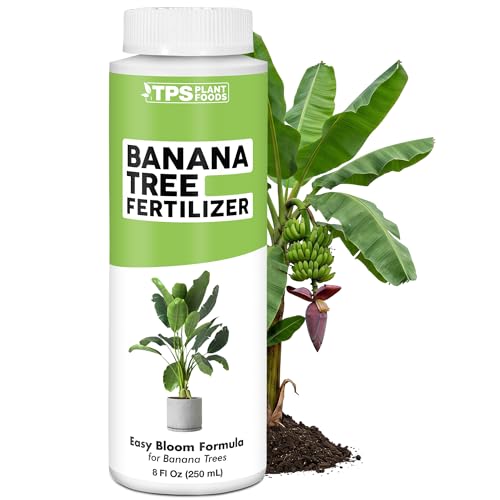
Made for Banana Trees – Specially formulated banana fertilizer designed to support the nutrient needs of banana plants.

100% Natural: Custom blend for your indoor potted banana trees

PREMIUM FUEL LIQUID FERTILIZER: Wellspring Gardens Banana Fuel Liquid Fertilizer Concentrate provides a quality nutrient blend with minor elements that could grow your plants. Its 3-1-6 formula ratio is the ideal fertilizer ration according to University of Florida which is what our product is made of.
Climate Requirements
Banana trees thrive in warm, tropical climates. Ideal temperatures range from 75°F to 95°F (24°C to 35°C). Frost can damage the plant, delaying fruiting. Consistent rainfall or irrigation ensures the tree receives 40 to 100 inches (100 to 250 centimeters) of water each year. High humidity also aids growth, supporting the flowering process.
Soil Conditions
Soil quality significantly impacts fruit production. Banana trees prefer well-drained, loamy soil rich in organic matter. Ideal pH levels range from 5.5 to 7.0. Compacted, waterlogged, or sandy soils impede growth and fruiting. Adding compost or aged manure enhances soil fertility, providing essential nutrients for healthy development.
Care and Maintenance
Proper care promotes timely fruiting. Regular watering keeps the soil moist, especially during dry spells. Fertilizing every 6 to 8 weeks with a balanced fertilizer encourages robust growth. Pruning dead leaves and removing diseased plant parts prevent pest problems. Protecting young plants from strong winds or heavy rain supports stability and healthy growth.
The Fruit-Bearing Process
The fruit-bearing process of a banana tree involves several key phases that gardeners should understand to anticipate harvest time effectively.
Recommended Products

Let our professionally formulated plant food help your fruit tree grow healthy, strong AND abundantly producing

2X MORE VALUE: The 16 oz bottle of Banana Plant Fertilizer makes 16 gallons of banana fertilizer for fruit trees, while the bigger size 32 oz bottle makes 32 gallons for lasting care of your banana trees.

FORMULATED FOR CITRUS AND FRUIT TREES: Use these citrus fertilizer spikes on apple, orange, lemon, lime, and avocado trees; this formula is also great for feeding palm trees
Flowering Phase
You can expect the flowering phase to occur about 9 to 12 months after planting a banana tree. During this phase, a flower spike emerges from the center of the plant. The spike develops clusters of flowers called hands. Each flower cluster can produce several bananas. Timing can vary based on the banana variety, but generally, flowering signals that fruit will follow.
Pollination and Fruit Development
Pollination plays a critical role in banana fruit development. While many banana varieties are self-pollinating, some require pollination from insects or other sources. Once fertilized, the flowers develop into fruit over several months. Typically, the fruit has a green color initially, later turning yellow as it ripens. Proper care during this stage, such as adequate watering and fertilization, supports healthy fruit growth. Aim to keep the soil consistently moist but not waterlogged, and apply balanced fertilizers to enhance nutrient uptake.
Optimal Conditions for Fruit Glaring
Banana trees thrive under specific conditions that promote healthy growth and timely fruit production. Understanding these factors helps you nurture your plant effectively.
Recommended Products
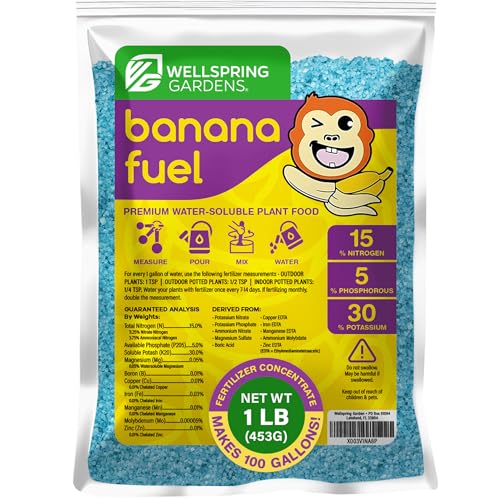
PREMIUM WATER SOLUBLE FERTILIZER: Wellspring Gardens Banana Fuel Fertilizer provides a water-soluble and high-quality nutrient blend with minor elements to promote optimal growth for your banana plants. Its premium 15-5-30 blend ensures that your banana plants are healthy and happy.

PREMIUM WATER SOLUBLE FERTILIZER: Wellspring Gardens Banana Fuel Fertilizer provides a water-soluble and high-quality nutrient blend with minor elements to promote optimal growth for your banana plants. Its premium 15-5-30 blend ensures that your banana plants are healthy and happy.

Ideal for Palms, Ferns, Cycads, Ixora, and Ornamental Plants
Temperature and Water Needs
Banana trees prefer warm environments, with optimal temperatures ranging from 75°F to 95°F. Ensure your tree receives consistent warmth, especially during cooler months.
Watering is crucial. Keep the soil consistently moist but not waterlogged. Aim to water your banana tree every 2 to 5 days, adjusting based on rainfall and temperature. Use a mulch layer to retain moisture and regulate soil temperature.
Fertilization Techniques
Proper fertilization promotes strong growth and fruit development. Use a balanced fertilizer with nitrogen, phosphorus, and potassium, typically in a 10-10-10 ratio. Apply the fertilizer every 6 to 8 weeks during the growing season.
During flowering and fruit development, shift to a fertilizer higher in potassium, such as a 6-2-12 mix. This supports fruit size and quality. Always follow package instructions for application rates to avoid over-fertilizing.
By maintaining the right temperature, consistent watering, and proper fertilization, you set your banana tree up for successful fruit production.
Conclusion
Growing a banana tree can be an exciting journey filled with anticipation. You’ve learned how to care for your plant and what to expect as it progresses through its lifecycle.
By providing the right conditions and nurturing your banana tree, you’re setting the stage for a rewarding harvest. Remember to stay patient and enjoy the process.
Before you know it, you’ll be rewarded with delicious bananas that you’ve cultivated with your own hands. Happy gardening and best of luck with your banana tree adventure!
Frequently Asked Questions
How long does it take for a banana tree to bear fruit?
A banana tree typically takes about 9 to 12 months to bear fruit after planting. The exact timing can vary based on factors like climate, care, and the specific banana variety.
What climate do banana trees need to thrive?
Banana trees thrive in warm, tropical climates with temperatures ranging from 75°F to 95°F. They also require consistent rainfall or adequate irrigation to support their growth.
What type of soil is best for banana trees?
Banana trees prefer well-drained, loamy soil rich in organic matter. The ideal soil pH should be between 5.5 and 7.0 to promote healthy growth and fruit production.
How often should I water my banana tree?
You should water your banana tree every 2 to 5 days, depending on the weather. The soil should remain moist but not waterlogged to ensure proper growth and fruiting.
What is the flowering process of a banana tree?
The flowering phase occurs 9 to 12 months after planting, marked by the emergence of a flower spike. This spike produces clusters of flowers that develop into bananas once pollinated.
Do banana trees need fertilizer?
Yes, banana trees benefit from regular fertilization. Use a balanced fertilizer during the growing season and a potassium-rich fertilizer during flowering and fruit development to enhance yield and fruit quality.
Can banana trees grow in containers?
Yes, banana trees can grow in containers as long as the pot is large enough to accommodate their root system. Ensure the container has good drainage and provide appropriate care to support growth.
