

Have you ever wished you could grow your favorite fruit right in your backyard? Grafting fruit trees is a fantastic way to combine different varieties and enjoy a bountiful harvest. If you’ve struggled with limited space or wanted to try new flavors, grafting might be the perfect solution for you.
Key Takeaways
- Understanding Grafting: Grafting involves connecting a scion (desired fruit variety) to a rootstock (base plant), promoting growth and combining beneficial characteristics from both.
- Benefits of Grafting: Key advantages include growing multiple fruit varieties on one tree, faster fruit production, enhanced disease resistance, manageable tree sizes for small spaces, and improved fruit flavor.
- Preparation Steps: Successful grafting requires careful timing, the right tools (sharp knife, grafting tape, pruning shears), and selecting compatible scion and rootstock varieties.
- Grafting Process: The process involves selecting healthy scion and rootstock, making precise cuts to ensure cambium alignment, and securing the graft well to maintain moisture and support growth.
- Aftercare Importance: Proper aftercare, such as appropriate watering, fertilizing, and pest monitoring, is crucial for the success and health of the grafted trees.
- Common Mistakes: Avoiding compatibility issues, incorrect timing, inaccurate cuts, neglecting moisture, using dirty tools, failing to monitor growth, and overlooking aftercare significantly increases grafting success.
Understanding Grafting Techniques
Grafting fruit trees involves joining a scion, or a cutting from one tree, onto a rootstock, or the base of another tree. This technique encourages growth and combines characteristics from both plants.
What Is Grafting?
Grafting is the process of physically connecting two plant parts to grow as one organism. The top part, or scion, contains the desired fruit variety, while the rootstock offers stability and disease resistance. Successful grafts prompt the scion to thrive on the rootstock’s improved traits, resulting in enhanced growth and fruit quality.
Benefits of Grafting Fruit Trees
Grafting fruit trees provides several advantages:
- Variety: Grafting allows you to grow multiple fruit varieties on a single tree. For example, you can combine apple, pear, and cherry branches for diverse harvests.
- Faster Production: Grafting promotes quicker fruit production than planting seeds. You’ll often see fruit on grafted trees within 1-3 years, compared to several years for seed-grown trees.
- Disease Resistance: Choosing a robust rootstock can help combat diseases prevalent in specific regions. Disease-resistant rootstocks improve the overall health and longevity of the tree.
- Size Control: Dwarf rootstocks create smaller trees, making them easier to manage and harvest. For small spaces, these compact trees are ideal for backyard gardens.
- Improved Flavor: Grafting allows the combination of flavors from different varieties. This can enhance fruit quality, giving you tastier results.
Grafting fruit trees is a practical way to maximize your garden’s potential while enjoying flavorful, homegrown fruit.
Preparing for Grafting
Preparing for grafting involves planning and gathering the necessary elements. You’ll achieve the best results by carefully choosing the timing and obtaining the right tools and materials.
Choosing the Right Time for Grafting
Timing plays a crucial role in successful grafting. Spring and early summer are ideal, as temperatures rise and trees enter active growth. Perform grafting when the buds start to swell but before actual leaf emergence. This period varies slightly depending on your region. For example, in warmer climates, grafting may occur in late March, while in cooler areas, it may shift to late April or early May.
Observe your specific tree varieties as well. You can expect different grafting windows depending on the species. Pear trees, for instance, are often ready before apple trees. Aligning your grafting date with optimal conditions maximizes the chances of success.
Selecting the Right Tools and Materials
Gathering the right tools and materials is essential for a smooth grafting process. Here’s a list of must-haves:
- Sharp Knife: Use a specialized grafting knife or a utility knife to make clean cuts. A sharp blade reduces damage to the scion and rootstock, promoting better healing.
- Grafting Tape: Obtain high-quality grafting tape or paraffin tape to secure the graft union. This tape keeps moisture in and prevents contaminants from entering the wound.
- Pruning Shears: Use clean, sharp pruning shears to take your scion cutting.
- Rootstock: Select healthy rootstocks that complement the scion variety you choose. Different rootstocks influence growth rates, fruit size, and disease resistance.
- Sealant (Optional): Some prefer applying a sealant over the graft site. This can help reduce moisture loss and protect against pathogens.
Make sure to sanitize tools before use. Disinfecting prevents the spread of disease and promotes a healthy graft union. Following this preparation will enhance your grafting experience and contribute to your trees’ success.
Steps to Graft a Fruit Tree
Grafting fruit trees involves several precise steps to ensure success. Follow these steps carefully for the best results.
Recommended Products

Item Package Height: 1.1 Inches

Used for budding and grafting plants, quick healing for cambium contact, effectively increase the survival rate of seedlings;
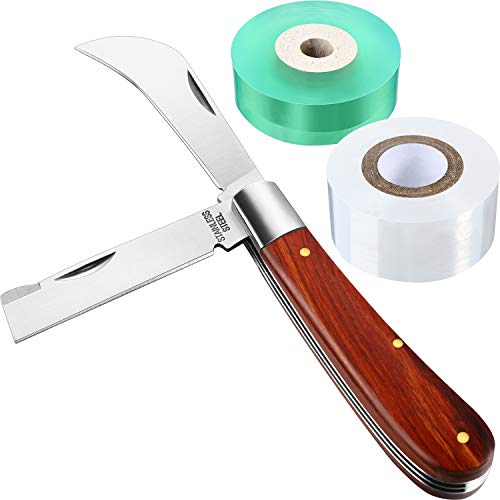
Package includes: you will get 1 double blades garden grafting knife and 2 rolls of grafting tapes in 2 sizes, ideal set for grafting budding, cutting, digging, sprouting, plants, weeding, cutting, sawing, etc.
Step 1: Selecting the Scion and Rootstock
Choose a healthy scion, which is a young shoot from the desired fruit variety. Look for a pencil-sized cutting with at least three buds. Select a compatible rootstock, which provides stability and disease resistance. Match the scion and rootstock in terms of species and size for optimal graft success. Some popular combinations include:
- Apple Varieties: M9 rootstock
- Pear Varieties: OHxF 87 rootstock
- Cherry Varieties: Gisela 5 rootstock
Step 2: Making the Graft
Use a sharp knife to create a clean cut on the scion. Make a sloping cut about 1 to 2 inches long. Then, prepare the rootstock with a matching cut. For a “whip-and-tongue” graft, slice both the scion and rootstock at an angle and create a tongue or notch to interlock them securely. Ensure the cambium layers—those green tissues just underneath the bark—align. This alignment promotes successful healing and growth.
Step 3: Securing the Graft
Wrap the graft union tightly with grafting tape or parafilm to hold it in place. This tape keeps moisture in and prevents the graft from drying out. If desired, apply a grafting sealant over the tape to protect against pests and infection. Monitor the graft site for signs of growth or failure, and ensure it remains moist. If the graft is successful, buds will begin to swell, indicating new growth.
Aftercare for Grafted Trees
Aftercare is crucial for the success of your grafted trees. Proper attention helps them thrive and increases the chances of a fruitful harvest.
Watering and Fertilizing
Water your grafted tree deeply to promote root establishment, especially during the first growing season. Aim for 1-2 inches of water per week, adjusting based on rainfall. Use mulch to retain moisture and suppress weeds, keeping the soil damp but well-drained.
Fertilizing supports growth and fruit production. Apply a balanced fertilizer, like 10-10-10, during the spring as new growth appears. Follow the instructions for application rates, as too much fertilizer can harm roots. You may also consider using organic compost to improve soil health.
Monitoring for Pests and Diseases
Monitor your grafted trees regularly for signs of pests and diseases. Inspect leaves, stems, and fruits for any abnormalities or damage. Common pests include aphids, scale insects, and borers. Use insecticidal soap or neem oil for control, targeting affected areas directly.
Fungal diseases may appear as spots or wilting. Ensure proper air circulation around your trees by pruning excess branches. If you notice any issues, remove infected parts immediately to prevent spread. Additionally, maintain good hygiene by cleaning up fallen debris around the base of your trees.
By applying these aftercare practices, you create a healthy environment for your grafted trees to flourish.
Common Grafting Mistakes to Avoid
Grafting fruit trees requires precision and care. Avoiding common mistakes can lead to successful grafts and healthier trees. Here’s a list of mistakes to steer clear of:
- Ignoring Compatibility: Always ensure the scion and rootstock are compatible species. For example, grafting a peach scion onto a plum rootstock generally works well.
- Improper Timing: Grafting at the wrong time can hinder success. Aim for spring or early summer when trees are actively growing.
- Inaccurate Cuts: Make clean, precise cuts on both the scion and rootstock. Jagged cuts can result in poor contact and reduced growth.
- Neglecting Moisture: Keeping the graft site moist is essential. Use grafting tape to secure the graft and prevent moisture loss until the graft takes.
- Using Dirty Tools: Sanitize cutting tools before use to avoid introducing diseases. Cleanliness promotes healthier graft unions.
- Failing to Monitor Growth: Check frequently for signs of growth or issues. Early detection of problems allows for quick intervention.
- Overlooking Aftercare: After the graft takes, provide proper watering and protection against pests. Avoid allowing the graft site to dry out.
- Ignoring Size Differences: Match the sizes between the scion and rootstock. If they differ significantly, the graft may fail.
By avoiding these common mistakes, you enhance the chances of your grafting efforts being successful. Remember, careful preparation and attention to detail improve the grafting experience.
Conclusion
Grafting fruit trees opens up a world of possibilities for your garden. With the right techniques and a little patience you can enjoy a diverse harvest of delicious fruits. Remember to pay attention to timing and choose compatible scions and rootstocks for the best results.
Taking care of your grafted trees after the process is just as important. Regular monitoring and proper care will help ensure your trees thrive and produce fruit for years to come. So grab your tools and get started on this rewarding gardening adventure. You’ll be amazed at what you can grow!
Frequently Asked Questions
What is grafting in fruit trees?
Grafting is an agricultural technique where a scion (a cutting from one tree) is joined onto a rootstock (the base of another tree). This process creates a single organism that combines the desired fruit variety with the rootstock’s stability and disease resistance.
What are the benefits of grafting fruit trees?
Grafting allows you to grow multiple fruit varieties on one tree, accelerates fruit production, improves disease resistance, controls tree size for easier management, and enhances the flavor quality of the fruits.
When is the best time for grafting fruit trees?
The ideal time for grafting fruit trees is in spring or early summer. The specific timing can vary based on the variety of the tree, so it’s essential to monitor growth conditions.
What tools are needed for grafting?
Essential tools for grafting include a sharp knife, grafting tape, and healthy rootstock. Proper preparation and sanitation of these tools are critical for successful grafting.
What are common mistakes in grafting fruit trees?
Common mistakes include ignoring compatibility between scion and rootstock, making inaccurate cuts, improper timing, neglecting moisture, using dirty tools, and failing to monitor growth and aftercare.
How do you care for grafted trees after planting?
After grafting, ensure proper watering, use appropriate fertilization techniques, and regularly check for pests and diseases to maintain the health and productivity of the grafted tree.
Can you grow different fruits on one tree?
Yes, grafting allows you to cultivate multiple fruit varieties on a single tree, maximizing space and increasing your harvest variety.
Why is cleanliness important in grafting?
Using clean tools is crucial in grafting to prevent introducing diseases that can compromise the health of the grafted tree and lower its chances for success.
