

Are you unsure how often to water your fruit trees? You’re not alone. Many gardeners struggle with finding the right balance between giving their trees enough moisture and overwatering, which can lead to root rot and other issues.
Understanding your trees’ watering needs is crucial for healthy growth and a bountiful harvest. This article will guide you through the factors that influence watering frequency, helping you create a watering schedule that suits your specific climate and soil conditions. You’ll learn how to keep your fruit trees thriving so you can enjoy delicious, homegrown fruit for years to come.
Key Takeaways
- Understanding the water requirements of fruit trees is essential for their health and productivity, with needs varying by climate, soil type, tree age, and season.
- Young trees require more frequent watering to establish roots, while mature trees can handle drier conditions.
- Seasonal factors play a significant role; trees generally need more water in summer and less during fall and winter when dormant.
- Recognizing the signs of underwatering (wilting, brown edges) and overwatering (root rot, mushy roots) can help you adjust your watering practices effectively.
- Implementing best watering practices like drip irrigation, mulching, and monitoring soil moisture will foster healthy growth and optimal fruit production.
Understanding Fruit Tree Watering Needs
Understanding how often to water fruit trees is essential for their health and productivity. Various factors affect watering frequency, and different types of fruit trees have unique needs.
Factors Affecting Watering Frequency
- Climate: Hot, dry climates increase evaporation, requiring more frequent watering. In cooler, humid areas, trees need less water.
- Soil Type: Sandy soils drain quickly and demand more water. Clay soils retain moisture, so you may water less often.
- Tree Age: Young trees need consistent moisture to establish roots, while mature trees can tolerate drier conditions.
- Season: During hot summer months, trees require more water. In spring and fall, hydration needs often decrease.
- Rainfall: Monitor local rainfall to adjust your watering schedule. Less rain means more frequent watering.
- Tree Species: Different species, such as apples or peaches, may have varying water needs; be sure to research specific requirements.
- Apple Trees: Require deep watering every 1-2 weeks. Adjust frequency based on rainfall and season.
- Peach Trees: Benefit from weekly watering, especially during fruit development. Check soil moisture regularly.
- Citrus Trees: Thrive with bi-weekly watering. Ensure good drainage to prevent root rot.
- Cherry Trees: Prefer more infrequent, deep watering. Water every 2-3 weeks during dry spells.
- Fig Trees: Need consistent moisture but don’t tolerate standing water. Water bi-weekly, adjusting for dry conditions.
By considering these factors and recognizing the specific needs of your fruit trees, you can develop a successful watering routine that fosters healthy growth and fruitful harvests.
Seasonal Watering Guidelines
Understanding seasonal changes is crucial for effective watering of your fruit trees. Each season brings unique conditions that influence how often you should water.
Recommended Products
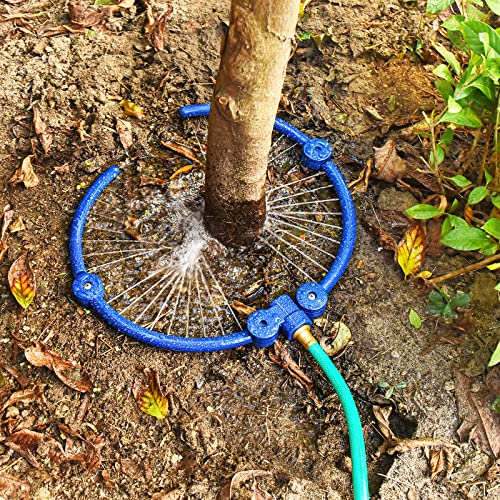
【Specially Designed for Trees and Shrubs】 The Watering Ring is a multi-purpose irrigation ring that attaches to a garden hose to efficiently water young trees shrubs vegetables or flower beds using drip or trickle irrigation.It directs water to the root perimeter of the plant to give them a good start during the first two growing seasons or through periods of drought.
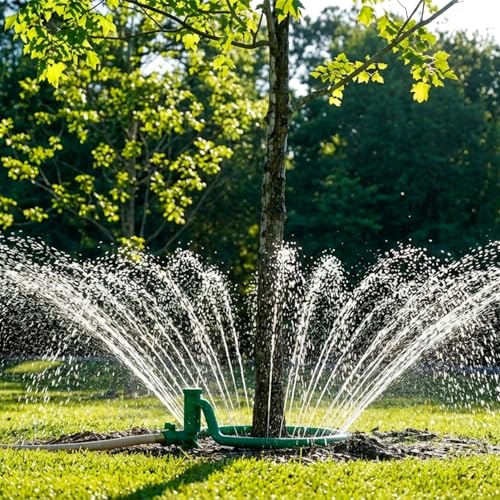
WATER WHERE IT MATTERS: The 360° outward direction is unlike a standard tree ring soaker hose that pools water at the base. Our patented tree sprinkler outward design sprays water away from the trunk and targets the "drip line" where feeder roots live. This highly effective root watering sprinkler for trees keeps the trunk dry and supports root health.

Let your landscape thrive with a Varomorus Deep Root Irrigation tool! Varomorus Irrigator is designed for all soil surfaces and helps your plants, trees, bushes and shrubs to build a healthy and strong root systems. It is a perfect addition for your lawn sprinklers for a beautiful, hydrated yard.
Spring Watering Considerations
In spring, the trees emerge from dormancy. You should start watering as temperatures rise, especially if rainfall is low. Newly planted trees benefit from weekly watering to support root establishment. Established trees may require watering every 1-2 weeks, depending on rainfall, soil type, and temperature.
Summer Watering Protocols
Summer heat often means trees consume more water. During this season, aim for deep watering at least once a week. For sandy soils, consider watering twice weekly to compensate for quick drainage. While fruit trees set fruit, monitor moisture levels closely. Dry spells might necessitate additional watering, while consistent rain can reduce frequency.
Fall and Winter Watering Adjustments
As temperatures cool in fall, reduce watering frequency. Established trees typically need water every 2-4 weeks. Ensure soil remains moist but not soggy. In winter, dormant trees require minimal watering. If winter is dry, a deep watering every month can prevent stress. Adjust according to local climate conditions to maintain tree health.
Signs of Underwatering and Overwatering
Identifying signs of underwatering and overwatering is crucial for maintaining the health of your fruit trees. These symptoms can help you adjust your watering practices effectively.
Recognizing Stress in Fruit Trees
- Wilting Leaves: Leaves may droop or appear lifeless. This reflects insufficient moisture in the soil.
- Browning Leaf Edges: Brown edges or tips indicate stress from lack of water or excess moisture.
- Falling Leaves: Premature leaf drop often results from unresolved moisture issues.
- Slow Growth: Stunted growth, especially in young trees, signals that the roots aren’t receiving enough water.
- Soft, Mushy Roots: Overwatered trees may develop root rot, leading to roots that lack firmness.
- Adjust Watering Schedule: Increase frequency during hot, dry spells and decrease during cooler, wetter weeks.
- Check Soil Moisture: Use a moisture meter or your finger to gauge soil dampness. Aim for moist, not soggy, soil.
- Implement Deep Watering: Water the soil deeply less frequently to encourage deep root growth.
- Improve Drainage: If overwatering is an issue, ensure proper drainage around trees to prevent water accumulation.
- Mulch Application: Apply organic mulch to retain soil moisture and regulate temperature, reducing watering needs.
By monitoring these signs and implementing solutions promptly, you can ensure your fruit trees thrive and produce healthy fruit.
Best Practices for Watering Fruit Trees
Watering fruit trees properly promotes growth and fruit production. Following a few best practices ensures your trees get the moisture they need.
Recommended Products
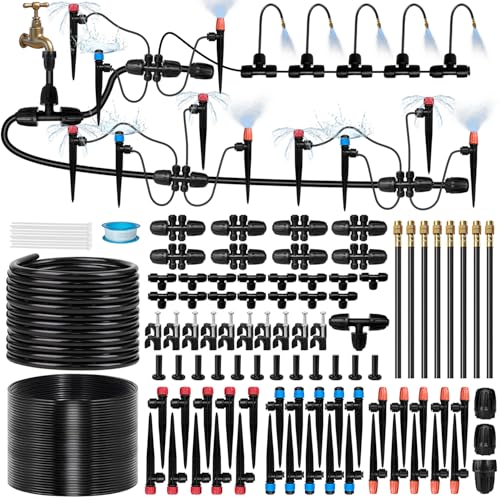
【Upgraded Tube Design & Water Saving】 Our garden watering system is upgraded to 1/2” diameter to support high water pressure. The 1/2” tee connector allows seamless splitting into 2 independent zones for customized watering schedules. By delivering moisture directly to root zones, this drip Irrigation system significantly reduces evaporation and runoff—saving more water compared to conventional sprinklers while eliminating the need for manual watering.

NO MORE HARD INSTALLATION - SET UP IN MINUTES. Tired of struggling with stiff barbed fittings? This drip irrigation system features quick-connect fittings that let you push, lock, and secure tubing effortlessly. No tools, no leaks, just a smooth setup experience. Enjoy a frustration-free installation and get your garden watering system running in minutes.

SAVE TIME AND EFFORT: This plant watering kit has everything you need to get started with drip irrigation and precisely water up to ten individual plants. Use the kit to build, expand, or repair a drip irrigation system
Methods of Watering
- Drip Irrigation: Installs a system of tubing with emitters that deliver water directly to the root zone. This method conserves water and reduces evaporation.
- Soaker Hoses: Employs porous hoses that release water slowly along their length. Lay these hoses on the soil surface to provide consistent moisture.
- Hand Watering: Involves using a hose or watering can to water trees directly. This method allows you to check soil moisture levels easily.
- Flood Irrigation: Creates shallow basins around trees that fill with water. This technique is less common but useful in certain soil types.
- Rainwater Harvesting: Collects rain in barrels or cisterns. Use this water for irrigation to reduce reliance on municipal sources.
- Soil Moisture Meter: Measures moisture levels in the soil. Use this tool to determine when to water your trees.
- Mulch: Applies a layer of organic material around the base of the tree. Mulch retains moisture and suppresses weeds.
- Watering Can: Useful for targeted watering, especially for young trees. Use it when precise measurements are necessary.
- Basin Creation: Shapes the ground around the tree to hold water. Create a shallow basin to capture rainwater and irrigation.
- Timing: Waters in the early morning or late afternoon to minimize evaporation. This practice ensures your trees absorb moisture more effectively.
Employing these methods and tools helps you establish a successful watering routine for your fruit trees, leading to healthy growth and abundant harvests.
Conclusion
Caring for your fruit trees involves understanding their unique watering needs. By paying attention to factors like climate soil type and tree age you can create a personalized watering schedule that keeps your trees healthy and thriving.
Remember to adjust your routine based on the seasons and weather conditions. Look out for signs of stress in your trees and be ready to make changes as needed. With the right approach you’ll not only promote strong growth but also enjoy a bountiful harvest of delicious fruit. Happy gardening!
Frequently Asked Questions
How often should I water my fruit trees?
Watering frequency depends on factors like climate, soil type, and tree age. Generally, deep water young trees every 1-2 weeks, while mature trees may only need watering every few weeks, depending on the season and rainfall.
What are the signs of underwatering in fruit trees?
Signs of underwatering include wilting leaves, browning leaf edges, and slow growth. If your fruit tree is dropping leaves or has soft roots, it could indicate that it needs more water.
How does the season affect watering frequency?
During spring, newly planted trees need weekly watering, while established trees may need it every 1-2 weeks. In summer, aim for at least weekly deep watering. In fall, reduce watering to every 2-4 weeks, and in winter, only minimal watering is necessary.
What are the best watering methods for fruit trees?
Effective methods include drip irrigation, soaker hoses, and hand watering. Each has its advantages, such as efficient moisture application and improved soil retention. Using mulch can also help maintain soil moisture.
How can I improve the drainage of my soil?
To improve soil drainage, consider adding organic matter like compost to enrich the soil and enhance its structure. Creating swales or mounds can also help manage water flow and prevent waterlogging near tree roots.
When is the best time to water fruit trees?
The best times to water are early in the morning or late afternoon. This reduces evaporation and allows the water to penetrate the soil more effectively, ensuring your trees receive the moisture they need.
Which fruit trees require more frequent watering?
Fruit trees like peach and young apple trees usually need more frequent watering, especially during fruit development. In contrast, more established trees, such as mature cherries, require less frequent watering.
How can I check if my fruit trees need water?
You can check soil moisture by digging a small hole near the roots or using a soil moisture meter. If the top 1-2 inches of soil are dry, it’s time to water your tree.
